Scientific Name
Pinus rigida
Trade Name
Pitch pine
Family Name
Betulaceae
Common Names
Pine, Pitch pine
Regions of Distribution
North America
Countries of Distribution [VIEW MAP]
Canada, United States
Common Uses
Core Stock, Crossties, Decorative veneer, Fiberboard, Figured veneer, Hardboards, Mine timbers, Particleboard, Pile-driver cushions, Piling, Plain veneer, Plywood, Poles, Pulp/Paper products, Pulpwood, Railroad ties, Structural plywood, Utility crossarms, Utility plywood, Utility poles, Veneer
Environmental Profile
| Widespread, abundant, and secure in most areas within its range | ||||||||||||
| May be rare in parts of its range, especially at the periphery | ||||||||||||
| Data source is World Conservation Monitoring Center | ||||||||||||
| Data source is Nature Conservancy |
His species is Vulnerable within its natural habitat in Ontario, and Endangered in Quebec
Distribution Overview
This North America species is distributed in Ontario, Quebec, Connecticut, Delaware, Georgia, Kentucky, Massachusetts, Maryland, Maine, Minnesota, North Carolina, Great Smoky Mountain National Park, Illinois, New Hampshire, New Jersey, New York, Ohio, Pennsylvania, Rhode Island, South Carolina, Tennessee, Virginia, Vermont, and West Virginia. It forms pure stands initially which are gradually replaced by hardwoods, and is also found in mixed forests. The tree prefers shallow sands and gravels on steep slopes and ridges, as well as in river valleys and swamps. Pitch pine grow from sea level to an elevation of slightly over 3000 feet (900 m), occasionally higher.
Heartwood Color
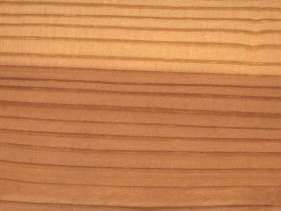
| Brown | ||||||||||||
| Red | ||||||||||||
| Purple | ||||||||||||
| Various shades of yellow and orange to reddish brown or light brown | ||||||||||||
| Clearly demarcated |
Sapwood Color
| White | ||||||||||||
| Pink | ||||||||||||
| Yellow | ||||||||||||
| Variable width | ||||||||||||
| Nearly white to yellowish, orange-white, or pale uellow |
Grain
| Even |
| Generally straight, but may be somewhat uneven |
Texture
| Medium | ||||||||||||
| Fine | ||||||||||||
| Coarse | ||||||||||||
| Medium |
Luster
| Medium |
Natural Durability
| Durable | ||||||||||||
| Non-resistant to powder post beetles | ||||||||||||
| Susceptible to insect attack | ||||||||||||
| Very little natural resistance to decay in ground contact | ||||||||||||
| Should not be used under conditions promoting decay without proper protection |
Odor
| Strong resinous odor | ||||||||||||
| No specific taste |
Resin Content
| Resinous |
Ease of Drying
| Fairly Easy | ||||||||||||
| Slowly |
Kiln Drying Rate
| Naturally dries slowly |
Tree Size
| Tree height is 30-40 m | ||||||||||||
| Bole length is 10-20 m | ||||||||||||
| Trunk diameter is 100-150 cm | ||||||||||||
| Tree height is 10-20 m | ||||||||||||
| Tree height is 20-30 m |
Comments
Abnormal wood tissue in the form of compression wood may be present
Blunting Effect
| Moderate blunting effect on cutting edges |
Cutting Resistance
| Fairly Difficult to Very Difficult to saw | ||||||||||||
| Moderate to saw | ||||||||||||
| Resin exudation may gum up sawteeth | ||||||||||||
| Moderate cutting resistance | ||||||||||||
| Long pitch saws recommended |
Gluing
| Easy to glue |
Nailing
| Fairly Difficult to Very Difficult | ||||||||||||
| Pre-Boring Recommended | ||||||||||||
| Good nail holding properties |
Planing
| Fairly Difficult to Very Difficult | ||||||||||||
| Responds fairly well to most ordinary machine tools, with moderate blunting effect | ||||||||||||
| High resin content may be troublesome since cutters tend to gum up |
It planes, turns, bores, mortises, and performs fairly well in all other machining operations to produce relatively clean surfaces
Resistance to Impregnation
| Difficult to treat with presevatives |
Response to Hand Tools
| Easy to Work | ||||||||||||
| Fairly Difficult to Difficult to Work | ||||||||||||
| Fair response to hand tools |
Sanding
| Good sanding properties |
Screwing
| Fairly Difficult to Very Difficult | ||||||||||||
| Pre-boring recommended | ||||||||||||
| Good screw holding properties |
Steam Bending
| Unsuitable for steam bending applications because of high resin content |
Painting
| Satisfactory painting properties |
Polishing
| Fair to Good Results | ||||||||||||
| Very Good to Excellent Results | ||||||||||||
| Some surface preparation may be required because of high resin content | ||||||||||||
| Fairly satisfactory finishing treatments |
Staining
| Responds fairly well to most finishing treatmens |
Varnishing
| Takes varnishes satisfactorily |
Strength Properties
| Compression strength (parallel to grain) = medium | ||||||||||||
| Bending strength (MOR) = medium |
Numerical Data
| Item | Green | Dry | English |
| Bending Strength | 6664 | 10584 | psi |
| Crushing Strength | 353 | 804 | psi |
| Maximum Crushing Strength | 2891 | 5821 | psi |
| Shearing Strength | 1333 | psi | |
| Stiffness | 1176 | 1401 | 1000 psi |
| Work to Maximum Load | 9 | 9 | inch-lbs/in3 |
| Specific Gravity | 0.44 | 0.48 | |
| Radial Shrinkage | 4 | % | |
| Tangential Shrinkage | 7 | % | |
| Volumetric Shrinkage | 11 | % | |
| Item | Green | Dry | Metric |
| Bending Strength | 468 | 744 | kg/cm2 |
| Crushing Strength | 24 | 56 | kg/cm2 |
| Maximum Crushing Strength | 203 | 409 | kg/cm2 |
| Shearing Strength | 93 | kg/cm2 | |
| Stiffness | 82 | 98 | 1000 kg/cm2 |
| Work to Maximum Load | 0.63 | 0.63 | cm-kg/cm3 |
| Specific Gravity | 0.44 | 0.48 | |
| Radial Shrinkage | 4 | % | |
| Tangential Shrinkage | 7 | % |
References
Boone, R.S., C.J. Kozlik, P.J. Bois and E.M. Wengert. 1988. Dry Kiln Schedules for Commercial Woods: Temperate and Tropical. United States Department of Agriculture, Forest Service, Forest Products Laboratory, General Technical Report FPL-GTR-57, Madison, Wisconsin.
Little, E.L. 1980. The Audubon Society Field Guide to North American Trees – Eastern Region. Published by Arthur A. Knopf, New York.
Mirov, N.T. 1967. The Genus PINUS. The Ronald Press Company, New York. LCC Card No. 67-14783.
Panshin, A.J. and C. deZeeuw. 1980. Textbook of Wood Technology, 4th Edition. McGraw-Hill Series in Forest Resources. McGraw-Hill Book Company, New York.
USDA. 1987. Wood Handbook – Wood as an Engineering Material, Forest Service, Agriculture Handbook No. 72, Forest Products Laboratory, Madison, Wisconsin.
USDA. 1988. Dry Kiln Operators Manual, Preliminary Copy. Forest Service, Forest Products Laboratory, Madison, Wisconsin.