Scientific Name
Picea glauca
Trade Name
White spruce
Family Name
Pinaceae
Common Names
Adirondack spruce, Blue spruce, Brunswick spruce, Canadian spruce, Cat spruce, Eastern Canadian spruce, Eastern spruce, Maritime spruce, New Brunswick spruce, Northern spruce, Quebec spruce, Single spruce, Skunk spruce, St. John spruce, Western white spruce, White spruce, Yellow spruce
Regions of Distribution
North America
Countries of Distribution [VIEW MAP]
Canada, United States
Common Uses
Agricultural implements, Boat building (general), Boxes and crates, Building materials, Cabinetmaking, Canoes, Casing, Casks, Chairs, Chests, Concealed parts (Furniture), Concrete formwork, Cooperages, Desks, Dining-room furniture, Dowell pins, Dowells, Drawer sides, Fine furniture, Floor lamps, Food containers, Furniture , Furniture components, Furniture squares or stock, Furniture, Hardboards, Hatracks, Heavy construction, Insulating boards, Interior construction, Interior trim, Joinery, Kitchen cabinets, Ladders , Ladders, Light construction, Living-room suites, Millwork, Mine timbers, Moldings, Musical instruments, Musical instruments: piano, Musical instruments: strings, Oars, Office furniture, Packing cases, Pallets, Paneling , Particleboard, Plywood, Poles, Pulp/Paper products, Pulpwood, Radio – stereo – TV cabinets, Rafters, Roofing, Rustic furniture, Tables, Vehicle parts, Veneer
Environmental Profile
| Status within its natural growth range has not been officially assessed |
Distribution Overview
The species is distributed across North America from close to the northern limits of Alaska and British Columbia, east to Labrador, south to Maine, and west to Minnesota. It is also reported to occur in localized regions in northwestern Montana, South Dakota and Wyoming. White spruce thrives on various soil types, and is mostly found in coniferous forests, but sometimes in pure stands. It grows from sea level to near timberline at altitudes of 2000 to 5000 feet (610 to 1524 m). White spruce is also cultivated in Great Britain.
Heartwood Color
| Yellow | ||||||||||||
| Red | ||||||||||||
| Orange | ||||||||||||
| White to cream | ||||||||||||
| Yellow to golden-yellow to orange | ||||||||||||
| Pale brown | ||||||||||||
| Pale red to pink |
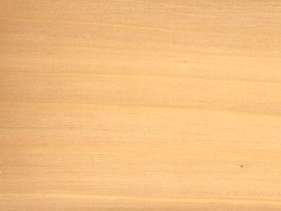
The wood is nearly white to pale yellowish brown. Woods produced by White, Red, Black, and Engelmann spruce are very similar in structure and cannot be differentiated with any degree of certainty. Differences in appearance and properties are mainly dependent upon growth rates of the different species
Sapwood Color
| White | ||||||||||||
| Yellow | ||||||||||||
| Orange | ||||||||||||
| Color not distinct from heartwood | ||||||||||||
| White to yellow | ||||||||||||
| Paler than heartwood |
Grain
| Straight | ||||||||||||
| Figure | ||||||||||||
| Even | ||||||||||||
| Growth rings (figure) | ||||||||||||
| Weak (figure) |
| Straight | ||||||||||||
| Clear growth rings (figure) | ||||||||||||
| Weak figure | ||||||||||||
| Even |
Texture
| Medium | ||||||||||||
| Fine | ||||||||||||
| Fine to medium | ||||||||||||
| Medium |
Luster
| Lustrous | ||||||||||||
| Slightly lustrous |
Natural Durability
| Durable | ||||||||||||
| Moderately durable | ||||||||||||
| Non durable | ||||||||||||
| Should not be used under high decay hazard conditions without proper protection | ||||||||||||
| Resistant to attack from powder post (Lyctid & Bostrychid) beetles | ||||||||||||
| Moderately durable | ||||||||||||
| Heartwood has very little resistance to decay |
Prolonged exposure to the weather is reported to turn the wood light gray, with a silvery sheen
Odor
| Has an odor | ||||||||||||
| Very fine | ||||||||||||
| Distinct (figure) | ||||||||||||
| No specific smell or taste |
Kiln Schedules
| Drying (speed) is fast | ||||||||||||
| UK=K US=T13C4S/T11D3S | ||||||||||||
| UK=K US=T11B4/T10B3 |
Drying Defects
| Splitting | ||||||||||||
| Checking | ||||||||||||
| Discoloration |
Some common degrades associated with kiln drying white spruce are water pockets, collapse, and ring failure. The cause is believed to be wetwood
Ease of Drying
| Fairly Easy | ||||||||||||
| Easy | ||||||||||||
| Moderate shrinkage | ||||||||||||
| Air dries rather easily |
Tree Size
| Tree height is 20-30 m |
The tree is reported to reach a height of 40 to 100 feet (12 to 30 m), with a trunk diameter of 12 to 24 inches (30 to 60 cm).
Product Sources
Timber produced by White spruce, Black spruce (P. mariana), and Red spruce (P. rubens) are often mixed and marketed together under the trade name Eastern spruce since they are too similar to separate on the basis of structure.
Substitutes
Aspen (Populus tremuloides) is similar in strength properties.
Comments
General finishing qualities are rated as good
Blunting Effect
| Moderate | ||||||||||||
| Blunting effect on machining is slight |
Boring
| Fair to good results | ||||||||||||
| Fairly easy to very easy | ||||||||||||
| Easy |
White spruce bores well
Carving
| Fair to Good Results | ||||||||||||
| Fairly Easy to Very Easy |
Cutting Resistance
| Easy to saw |
Gluing
| Fairly Easy to Very Easy | ||||||||||||
| Easy to glue | ||||||||||||
| Very good properties |
Mortising
| Fair to Good Results | ||||||||||||
| Fairly Easy to Very Easy | ||||||||||||
| Finishes well | ||||||||||||
| Easy to mortise | ||||||||||||
| Good mortising properties |
Moulding
| Fair to Good Results | ||||||||||||
| Fairly Easy to Very Easy | ||||||||||||
| Good finishing results | ||||||||||||
| Easy to mould | ||||||||||||
| The wood responds well to moulding operations. |
Movement in Service
| Stable |
Nailing
| Very Good to Excellent Results | ||||||||||||
| Holds nails well | ||||||||||||
| Nails hold poorly | ||||||||||||
| Easy to nail | ||||||||||||
| Excellent resistance to splitting in nailing operations |
Planing
| Fair to Good Results | ||||||||||||
| Fairly Easy to Very Easy | ||||||||||||
| Planes well, to a good finish | ||||||||||||
| Easy to plane | ||||||||||||
| Good planing properties |
Resistance to Impregnation
| Permeable sapwood | ||||||||||||
| Permeable heartwood | ||||||||||||
| Heartwood is resistant | ||||||||||||
| Heartwood is permeable | ||||||||||||
| Heartwood is extremely resistant |
Very poor response to preservative treatment.
Resistance to Splitting
| Good | ||||||||||||
| Excellent |
Response to Hand Tools
| Fairly Difficult to Difficult to Work | ||||||||||||
| Easy to machine |
Routing & Recessing
| Fair to Good Results | ||||||||||||
| Fairly Easy to Very Easy | ||||||||||||
| Routing yields good results | ||||||||||||
| Routing is easy |
Sanding
| Fair to Good Results | ||||||||||||
| Fairly Difficult to Very Difficult | ||||||||||||
| Fairly Easy to Very Easy |
Screwing
| Very Good to Excellent Results | ||||||||||||
| Screwing yields good results | ||||||||||||
| Easy to screw | ||||||||||||
| Very good screw holding qualities | ||||||||||||
| Excellent screwing properties |
Turning
| Fair to Good Results | ||||||||||||
| Fairly Easy to Very Easy | ||||||||||||
| Good results | ||||||||||||
| Easy to turn | ||||||||||||
| Good results |
Veneering Qualities
| There is slight to moderate drying degrade and the potential for buckles and splits | ||||||||||||
| Moderately easy to veneer |
Steam Bending
| Unsuitable |
Painting
| Fair to Good Results | ||||||||||||
| Fairly Easy to Very Easy | ||||||||||||
| Good results | ||||||||||||
| Satisfactory results |
Polishing
| Fair to Good Results | ||||||||||||
| Fairly Easy to Very Easy |
Staining
| Fair to Good Results | ||||||||||||
| Fairly Easy to Very Easy | ||||||||||||
| Finish is generally good |
Varnishing
| Fair to Good Results | ||||||||||||
| Fairly Easy to Very Easy | ||||||||||||
| Good results |
Strength Properties
| Density (dry weight) = 23-30 lbs/cu. ft. | ||||||||||||
| Shearing strength (parallel to grain) = very low | ||||||||||||
| Low | ||||||||||||
| Hardness (side grain) = very soft | ||||||||||||
| Low | ||||||||||||
| Work to Maximum Load = very low | ||||||||||||
| Modulus of Elasticity (stiffness) = very low | ||||||||||||
| Mor/Bending strength = very low | ||||||||||||
| Medium | ||||||||||||
| Very small | ||||||||||||
| Toughness-Hammer drop (Impact Strength) = very low | ||||||||||||
| Toughness (total work) = very low | ||||||||||||
| Small | ||||||||||||
| Shrinkage, Tangential = fairly large | ||||||||||||
| Shrinkage, Radial = moderate | ||||||||||||
| Max. crushing strength = very low | ||||||||||||
| Low | ||||||||||||
| 31-37 lbs/cu. ft. |
The wood has moderate properties in weight and density.
Numerical Data
| Item | Green | Dry | English |
| Bending Strength | 5082 | 7885 | psi |
| Density | 26 | lbs/ft3 | |
| Hardness | 319 | lbs | |
| Impact Strength | 22 | inches | |
| Maximum Crushing Strength | 2444 | 4271 | psi |
| Shearing Strength | 882 | psi | |
| Stiffness | 1017 | 1199 | 1000 psi |
| Toughness | 95 | inch-lbs | |
| Work to Maximum Load | 5 | 7 | inch-lbs/in3 |
| Specific Gravity | 0.3 | 0.32 | |
| Weight | 27 | 25 | lbs/ft3 |
| Radial Shrinkage | 3 | % | |
| Tangential Shrinkage | 7 | % | |
| Volumetric Shrinkage | 13 | % | |
| Item | Green | Dry | Metric |
| Bending Strength | 357 | 554 | kg/cm2 |
| Density | 416 | kg/m3 | |
| Hardness | 144 | kg | |
| Impact Strength | 55 | cm | |
| Maximum Crushing Strength | 171 | 300 | kg/cm2 |
| Shearing Strength | 62 | kg/cm2 | |
| Stiffness | 71 | 84 | 1000 kg/cm2 |
| Toughness | 109 | cm-kg | |
| Work to Maximum Load | 0.35 | 0.49 | cm-kg/cm3 |
| Specific Gravity | 0.3 | 0.32 | |
| Weight | 432 | 400 | kg/m3 |
| Radial Shrinkage | 3 | % | |
| Tangential Shrinkage | 7 | % |
References
Boone, R.S., C.J. Kozlik, P.J. Bois and E.M. Wengert. 1988. Dry Kiln Schedules for Commercial Woods: Temperate and Tropical. United States Department of Agriculture, Forest Service, Forest Products Laboratory, General Technical Report FPL-GTR-57, Madison, Wisconsin.
Brown, H.P. and Panshin, A.J.,1940,Commercial Timbers of the United States Their structure, identification,,properties and uses,McGraw-Hill, London
Brown, W.H.,1978,Timbers of the World: – No.7 North America,TRADA
Canadian Forestry Service. 1981. Canadian Woods – Their Properties and Uses. Third Edition. E.J. Mullins and T.S. McKnight, Editors. Published by University of Toronto Press, Toronto, Canada.
Clifford, N.,1957,Timber Identification for the Builder and Architect,Leonard Hill (Books) LTD. London
Constantine, Jr., A.J. 1975. Know Your Woods – A Complete Guide to Trees, Woods, and Veneers. Revised by H.J. Hobbs. Charles Scribner’s Sons, New York
Dallimore, W. and Jackson, A. Bruce,1966,A Handbook of Coniferae and Ginkgoaceae Fourth Ed. Revised by S.G.,Harrison,Edward Arnold (Publishers) Ltd. London
Forest Products Research Laboratory U.K.,1957,A Handbook of Softwoods,Department of Scientific and Industrial Research Forest Products Research,HMSO
I.U.F.R.O.,1973,Veneer Species of the World,Assembled at F.P.L. Madison on behalf of I.U.F.R.O. Working Party on,Slicing and Veneer Cutting
Kloot, N.H., Bolza, E.,1961,Properties of Timbers Imported into Australia,C.S.I.R.O. Forest Products Division Technological Paper,No.12
Lincoln, W.A. 1986. World Woods in Color. Linden Publishing Co. Inc., Fresno, California.
Little, E.L. 1980. The Audobon Society Field Guide to North American Trees – Western Region. Published by Arthur A. Knopf, New York.
Markwardt, L.J., Wilson, T.R.C.,1935,Strength and related properties of woods grown in the United States,U.S.A. Department of Agriculture Technical Bulletin,No.479
Mullins, E.J. and McKnight, T.S.,1981,Canadian Woods Their Properties and Uses,University of Toronto Press 3rd Edition
Ostrander, M.D.,1974,American Woods Eastern Spruce,USDA, Forest Service American Woods FS-263
Panshin, A.J. and C. deZeeuw. 1980. Textbook of Wood Technology, 4th Edition. McGraw-Hill Series in Forest Resources. McGraw-Hill Book Company, New York.
Patterson, D.,1988,Commercial Timbers of the World, 5th Edition,Gower Technical Press
Peh, T.B. and Khoo, K.C.,1984,Timber Properties of Acacia mangium, Gmelina arborea, Paraserianthes,falcataria and their utilization aspects.,The Malaysian Forester, Vol.47, No.4, pp.285-303.
Record, S.J., Hess, R.W.,1943,Timbers of the New World,Yale University Press
Redding, L.W.,1971,Resistance of Timbers to Impregnation with Creosote,Forest Products Research Laboratory, Princes Risborough, Building Research,Establishment Bulletin No.54 pp.43
T.D.A.,1942,Timber Leaflet No.59 Canadian Spruce (Picea glauca,TRADA Timber Leaflet
Timber Development Association Ltd.,1955,World Timbers (3 Vols.,Timber Development Association Ltd.
Titmuss, F.H.,1965,Commercial Timbers of the World,Technical Press Ltd., London, 3rd edition
U.S.D.A. Forest Service,1974,Wood Handbook,U.S.A. Department of Agriculture, Forest Service Handbook,72
USDA. 1987. Wood Handbook:Wood as an Engineering Material. Agriculture Handbook No. 72. United States Department of Agriculture, Forest Service, Madison, Wisconsin.
USDA. 1988. Dry Kiln Operator’s Manual – Preliminary Copy. Forest Service, Forest Products Laboratory, Madison, Wisconsin.
Western Wood Products Association. 19__. Woods of the Western USA. Published and Distributed by the Western Wood Products Association, Yeon Building, 522 S.W. Fifth Avenue, Portland, Oregon.
Wood, A.D.,1963,Plywoods of the World: Their Development, Manufacture and,Application,Johnston & Bacon Ltd. Edinburgh & London
Yvon, J.,1975,Le Nieuk (Fillaeopsis discophora,Bois et Forets des Tropiques,No.159,pp73-6