Scientific Name
Canarium hirsutum
Trade Name
Kedondong
Family Name
Burseraceae

Common Names
Breadlanka, Dhup, Dulit, Kaunicina kaunigai, Kedondong, Merdongdong, Pagsahingin, White dhup
Regions of Distribution
Oceania and S.E. Asia
Countries of Distribution [VIEW MAP]
Cambodia, Philippines, Vietnam
Common Uses
Balusters, Bent Parts, Boxes and crates, Building construction, Building materials, Cabinetmaking, Casks, Chairs, Chests, Construction, Core Stock, Decorative plywood, Decorative veneer, Desks, Dining-room furniture, Drawer sides, Excelsior, Figured veneer, Fine furniture, Furniture , Furniture components, Furniture squares or stock, Hatracks, Interior construction, Joinery, Kitchen cabinets, Light construction, Living-room suites, Moldings, Office furniture, Packing cases, Plain veneer, Plywood, Radio – stereo – TV cabinets, Rustic furniture, Stairworks, Stools, Stringers, Structural plywood, Utility furniture, Utility plywood, Veneer
Environmental Profile
| Status unknown due to inadequate information | ||||||||||||
| Status has not been officially assessed |
Distribution Overview
Thailand, Laos, Vietnam, Cambodia to Indomalesia
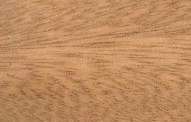
Heartwood Color
| Red | ||||||||||||
| Brown | ||||||||||||
| Pink | ||||||||||||
| Purple | ||||||||||||
| Reddish brown | ||||||||||||
| Pale red to pink | ||||||||||||
| Light brown |
Sapwood Color
| White | ||||||||||||
| Yellow | ||||||||||||
| Paler than heartwood | ||||||||||||
| Not clearly differentiated from the heartwood. |
Grain
| Even | ||||||||||||
| Straight | ||||||||||||
| Interlocked |
| Straight to interlocked |
Texture
| Coarse | ||||||||||||
| Medium | ||||||||||||
| Even or uniform | ||||||||||||
| Uniform | ||||||||||||
| Fine | ||||||||||||
| Fair to medium coarse |
Luster
| Medium | ||||||||||||
| High | ||||||||||||
| Lustrous |
Natural Durability
| Susceptible to insect attack | ||||||||||||
| Non-resistant to powder post beetles | ||||||||||||
| Moderately durable | ||||||||||||
| Durable | ||||||||||||
| Perishable | ||||||||||||
| Non-resistant to termites | ||||||||||||
| Non-durable | ||||||||||||
| Very little natural resistance | ||||||||||||
| Susceptible to termite attack | ||||||||||||
| Sapwood susceptible to attack by powder post beetles |
Odor
| No specific smell or taste |
Silica Content
| Likely to have significant impact on machining | ||||||||||||
| Contains high levels of silica (> 0.5% of dry weight) |
Canarium timbers reported to have high levels of silica (1.68% of ovendry weight)
Toxicity
| Some toxic effects |
Drying Defects
| Checking | ||||||||||||
| Distortion | ||||||||||||
| Splitting | ||||||||||||
| Collapse | ||||||||||||
| Internal Honeycombing Possible |
Ease of Drying
| Fairly Easy | ||||||||||||
| Slowly | ||||||||||||
| Variable | ||||||||||||
| Moderately Difficult to Difficult | ||||||||||||
| Requires special attention | ||||||||||||
| Dries well with little degrade |
Kiln Drying Rate
| Drying rate is fairly rapid to fast | ||||||||||||
| Rapid | ||||||||||||
| Naturally dries slowly |
Tree Size
| Tree height is 30-40 m | ||||||||||||
| Trunk diameter is 100-150 cm | ||||||||||||
| Trunk diameter is 150-200 cm | ||||||||||||
| Tree height is 20-30 m |
Dimensions usually vary with species, and a height of 180 feet (54 m) and a trunk diameter of 60 inches (150 cm) have been reported
Blunting Effect
| Little | ||||||||||||
| Moderate |
Silica content in the wood impacts the blunting effect
Boring
| Fairly easy to very easy | ||||||||||||
| Fair to good results |
Carving
| Fair to Good Results | ||||||||||||
| Fairly Easy to Very Easy |
Cutting Resistance
| Easy to saw | ||||||||||||
| Cutting resistance is variable |
Dependent upon the amount of silica in the wood.
Gluing
| Fairly Easy to Very Easy | ||||||||||||
| Fair to Good Results | ||||||||||||
| Fairly Difficult to Very Difficult |
Mortising
| Fairly Easy to Very Easy | ||||||||||||
| Fair to Good Results |
Moulding
| Fairly Easy to Very Easy | ||||||||||||
| Fair to Good Results |
Movement in Service
| Fair to Good Stability – Medium Movement | ||||||||||||
| Excellent Stability – Small Movement |
Nailing
| Fairly Easy to Very Easy | ||||||||||||
| Very Good to Excellent Results | ||||||||||||
| Fair to Good Results |
Planing
| Fairly Easy to Very Easy | ||||||||||||
| Fair to Good Results | ||||||||||||
| Poor to Very Poor Results | ||||||||||||
| Very Good to Excellent Results | ||||||||||||
| Variable machining properties | ||||||||||||
| Good planing properties |
Silica levels may affect machining properties
Resistance to Abrasion
| High |
Resistance to Impregnation
| Resistant heartwood | ||||||||||||
| Permeable sapwood | ||||||||||||
| Resistant sapwood | ||||||||||||
| Sapwood is permeable | ||||||||||||
| Heartwood is extremely resistant |
Response to Hand Tools
| Easy to Work | ||||||||||||
| Responds Readily | ||||||||||||
| Difficult to machine |
Silica content can make hand tool use difficult
Routing & Recessing
| Fair to Good Results | ||||||||||||
| Fairly Easy to Very Easy |
Sanding
| Fair to Good Results | ||||||||||||
| Fairly Easy to Very Easy |
Screwing
| Fairly Easy to Very Easy | ||||||||||||
| Very Good to Excellent Results | ||||||||||||
| Fair to Good Results |
Turning
| Fair to Good Results | ||||||||||||
| Fairly Easy to Very Easy | ||||||||||||
| Very Good to Excellent Results |
Veneering Qualities
| Suitable for peeling | ||||||||||||
| Veneers easily | ||||||||||||
| Suitable for slicing | ||||||||||||
| Veneers moderately easy | ||||||||||||
| No drying degrade |
Steam Bending
| Very Good to Excellent Results | ||||||||||||
| Fair to Good Results | ||||||||||||
| Fairly Easy to Very Easy |
Polishing
| Fair to Good Results | ||||||||||||
| Fairly Easy to Very Easy |
Staining
| Fair to Good Results | ||||||||||||
| Very Good to Excellent Results | ||||||||||||
| Fairly Easy to Very Easy |
Strength Properties
| Weight = moderate | ||||||||||||
| Surfaces may dent or scratch easily | ||||||||||||
| Surfaces may dent easily | ||||||||||||
| Soft | ||||||||||||
| Max. crushing strength = low | ||||||||||||
| Hardness (side grain) = soft | ||||||||||||
| Crushing strength = low | ||||||||||||
| Compression strength (parallel to grain) = low | ||||||||||||
| Bending strength (MOR) = high |
Bending strength in the air-dry condition (about 12 percent moisture content) is high – comparable to Teak. It is weak in compression parallel to grain (maximum crushing strength), and is inferior to Mahogany. The wood is soft, and surfaces may dent easily. It also does not wear well, and mars easily. The weight is medium. The wood is high in density.
Numerical Data
| Item | Green | Dry | English |
| Bending Strength | 5450 | 10691 | psi |
| Crushing Strength | 349 | 655 | psi |
| Density | 32 | lbs/ft3 | |
| Hardness | 622 | lbs | |
| Maximum Crushing Strength | 2607 | 4767 | psi |
| Shearing Strength | 1115 | psi | |
| Static Bending | 3722 | 6843 | psi |
| Stiffness | 836 | 1380 | 1000 psi |
| Toughness | 165 | inch-lbs | |
| Specific Gravity | 0.4 | ||
| Weight | 31 | 25. | lbs/ft3 |
| Item | Green | Dry | Metric |
| Bending Strength | 383 | 751 | kg/cm2 |
| Crushing Strength | 24 | 46 | kg/cm2 |
| Density | 512 | kg/m3 | |
| Hardness | 282 | kg | |
| Maximum Crushing Strength | 183 | 335 | kg/cm2 |
| Shearing Strength | 78 | kg/cm2 | |
| Static Bending | 261 | 481 | kg/cm2 |
| Stiffness | 58 | 97 | 1000 kg/cm2 |
| Toughness | 190 | cm-kg | |
| Specific Gravity | 0.4 |
References
Chudnoff, M.,1984,Tropical Timbers of the World,U.S.A. Department of Agriculture, Forest Service, Forest Products,Laboratory, Madison.
Lauricio, F. M., Bellosillo, S. B., The Mechanical and Related Properties of Philippine Woods, The Lumberman, 12(5):A-H.
WCMC. 1992. Conservation Status Listing – Trees and Timbers of the World. World Conservation Monitoring Center-Plants Programme, Cambridge, CB3 ODL, United Kingdom