Scientific Name
Zanthoxylum flavum
Trade Name
West Indian satinwood
Family Name
Rutaceae
Synonyms
Xanthoxylum cribrosum, Xanthoxylum flavum, Zanthoxylum flavum
Common Names
Aceitillo, Bois noyer, Bois noyes, Calibori, Concha satinwood, Espinillo, Harewood, Jamaican satinwood, Kalabarie, Lagartillo, Noyer, Noyes, Pino macho, Prickly ash, San Domingan satinwood, Satine jaune, Satinwood, West Indian satinwood, West Indies satinwood, Yellow sanders, Yellow wood, Yellowheart, Yellowheart prickly ash
Regions of Distribution
Central America, Latin America, North America, Oceania and S.E. Asia
Countries of Distribution [VIEW MAP]
Bahamas, Brazil, Cuba, Dominican Republic, Guadeloupe, Haiti, Jamaica, Netherlands, Puerto Rico [US], Puerto Rico, United States
Common Uses
Bedroom suites, Bobbins, Brush backs & handles, Cabinetmaking, Carvings, Chairs, Chests, Concealed parts (Furniture), Core Stock, Decorative veneer, Desks, Dining-room furniture, Dowell pins, Dowells, Drawer sides, Figured veneer, Fine furniture, Floor lamps, Furniture , Furniture components, Furniture squares or stock, Furniture, Hatracks, Inlay work, Kitchen cabinets, Living-room suites, Marquetry, Office furniture, Ornamental work , Paneling, Picker sticks, Plain veneer, Radio – stereo – TV cabinets, Railroad ties, Rustic furniture, Shade rollers, Shuttles, Specialty items, Spindles, Spools, Stencil & chisel blocks, Stools, Sucker rods, Tables , Textile equipment, Turnery, Veneer, Veneer: decorative
Environmental Profile
| Very rare | ||||||||||||
| Status in wild unknown due to insufficient information | ||||||||||||
| Locally found in a restricted range | ||||||||||||
| Local throughout its range | ||||||||||||
| Endangered within its natural habitat | ||||||||||||
| Data source is World Conservation Monitoring Center | ||||||||||||
| Data source is Nature Conservancy | ||||||||||||
| Considered vulnerable in its natural habitat because its numbers are threatened by serious adverse factors throughout its range. However, the species likely exists today in relatively large numbers. | ||||||||||||
| Abundant in some locations |
It may also be vulnerable to extinction throughout its range because of other existing but unknown factors
Its status in the wild in several areas in its range, including the Caribbean Islands, Bahamas, Cuba, Dominican Republic, Hispaniola, Jamaica, Puerto Rico, Florida, and the Amazons is currently listed as unknown because of insufficient information.
This species is officially classified as Endangered within its natural habitat in Bermuda.
Distribution Overview
The natural growth range and abundance of the species are uncertain, but it is distributed in the Dominican Republic, Bahamas, Bermuda, and southern Florida. It is also found in very small quantities in the protected forests in the serpentine and dry moist limestone regions of western Puerto Rico
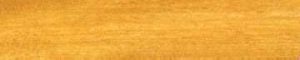
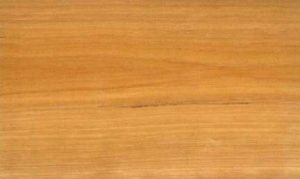
Heartwood Color
| Red | ||||||||||||
| Pink | ||||||||||||
| Yellow to golden-yellow to orange | ||||||||||||
| White to cream | ||||||||||||
| Pale brown | ||||||||||||
| Light orange or golden tan | ||||||||||||
| Darkens upon exposure | ||||||||||||
| Cream – light |
Sapwood Color
| White | ||||||||||||
| Yellow | ||||||||||||
| White to yellow | ||||||||||||
| Progressively darkens in color from bark until it merges gradually into the heartwood |
Grain
| Figure | ||||||||||||
| Other (figure) | ||||||||||||
| Mottled (figure) | ||||||||||||
| Wavy | ||||||||||||
| Straight | ||||||||||||
| Interlocked | ||||||||||||
| Distinct (figure) | ||||||||||||
| Even | ||||||||||||
| Closed |
| Other figure | ||||||||||||
| Wavy | ||||||||||||
| Mottled figure | ||||||||||||
| Straight | ||||||||||||
| Interlocked | ||||||||||||
| Distinct and very fine figure | ||||||||||||
| Mottled figure | ||||||||||||
| Interlocked and irregular | ||||||||||||
| Figure if often slightly roey | ||||||||||||
| Distinct figure |
Texture
| Coarse | ||||||||||||
| Fine | ||||||||||||
| Even textured |
Luster
| Medium | ||||||||||||
| Lustrous | ||||||||||||
| Pronounced | ||||||||||||
| High |
Natural Durability
| Durable | ||||||||||||
| Perishable | ||||||||||||
| Moderately durable | ||||||||||||
| Non-durable | ||||||||||||
| Non durable | ||||||||||||
| Resistant to attack from termites (Isoptera) | ||||||||||||
| Susceptible to marine borer attack | ||||||||||||
| Resistant to attack by dry-wood insects | ||||||||||||
| Moderately durable |
Odor
| Aroma of coconut oil when freshly cut or worked |
Light-Induced Color Change
| Darker |
Toxicity
| Dermatitic effects | ||||||||||||
| Unspecified toxicity | ||||||||||||
| Sawdust can cause skin irritation in some individuals |
Drying Defects
| Splitting |
Ease of Drying
| Fairly Easy |
Kiln Drying Rate
| Drying rate is fairly rapid to fast |
Tree Size
| Tree height is 30-40 m | ||||||||||||
| Tree height is 60-70 m | ||||||||||||
| Tree height is 50-60 m | ||||||||||||
| Tree height is 40-50 m | ||||||||||||
| Bole length is 30-40 m | ||||||||||||
| Trunk diameter is 100-150 cm |
Product Sources
Supplies are extremely limited and the material is very expensive when available. The wood is commercially unavailable.
The American species is very scarce, and the Satinwoods mostly found on the market today are substitutes. The two most often encountered are Ceylon Satinwood (Chloroxylon swietenia) and East African satinwood (Fagara macrophylla). Two other species are also occasionally labelled as Satinwood. They are Ayan (Distemonanthus benthamianus) from Africa, and Pau amarello (Euxylophora paraensis) from South America.
Comments
General finishing qualities are rated as good
Highly figured material is very showy in appearance, and its yellowish orange color works well in projects when employed in a mixture with other woods that are darker.
Blunting Effect
| Blunting effect on machining is moderate | ||||||||||||
| Medium blunting effect on cuttin tools | ||||||||||||
| Blunting effect on sawing dry wood is severe |
Carving
| Responds well to carving operations |
Cutting Resistance
| Easy to saw |
Gluing
| Fairly Easy to Very Easy | ||||||||||||
| Easy to glue |
Planing
| Very difficult to plane | ||||||||||||
| Tends to ride on cutters |
Resistance to Impregnation
| Resistant sapwood | ||||||||||||
| Resistant heartwood |
Response to Hand Tools
| Easy to Work | ||||||||||||
| Easy to machine | ||||||||||||
| Moderate working qualities | ||||||||||||
| Responds very well to hand tools |
Turning
| Easy to turn | ||||||||||||
| Good results | ||||||||||||
| Finish is generally satisfactory | ||||||||||||
| Excellent turning qualities |
Veneering Qualities
| Good gluing qualities |
Polishing
| Fair to Good Results | ||||||||||||
| Very Good to Excellent Results | ||||||||||||
| Good results | ||||||||||||
| Takes a fine polish | ||||||||||||
| Poor results | ||||||||||||
| High natural luster |
Strength Properties
| Density (dry weight) = 53-60 lbs/cu. ft | ||||||||||||
| Very high weight | ||||||||||||
| Very high density | ||||||||||||
| Shrinkage, Tangential = fairly large | ||||||||||||
| Shrinkage, Radial = large |
Numerical Data
| Item | Green | Dry | English |
| Density | 56 | lbs/ft3 | |
| Specific Gravity | 0.71 | ||
| Weight | 55 | 43 | lbs/ft3 |
| Radial Shrinkage | 6 | % | |
| Tangential Shrinkage | 9 | % | |
| Item | Green | Dry | Metric |
| Density | 897 | kg/m3 | |
| Specific Gravity | 0.71 | ||
| Weight | 881 | 689 | kg/m3 |
| Radial Shrinkage | 6 | % |
References
Arno, J. 1992. Zanthoxylum flavum – West Indian satinwood. In A Guide to Useful Woods of the World. Flynn Jr., J.H., Editor. King Philip Publishing Co., Portland, Maine. 1994. Page 360-361.
Bolza, E.,1976,Timber and Health,Div. Building Res. C.S.I.R.O. Australia
Britton, N.L., Millspaugh, C.F.,1920,The Bahama Flora,Britton & Millspaugh,New York
Brown, W.H.,1978,Timbers of the World, No. 9 Central America and the Caribbean,TRADA, Red Booklet Series
Chudnoff, M.,1984,Tropical Timbers of the World,U.S.A. Department of Agriculture, Forest Service, Forest Products,Laboratory, Madison.
Constantine, Jr., A. J. 1959. Know Your Woods – A Complete Guide to Trees, Woods, and Veneers. Revised Edition. Revised by H.J. Hobbs. Charles Scribner’s Sons, New York.
Cox, H.A.,1939,A Handbook of Empire Timbers,Forest Products Research Laboratory, Princes Risborough
Edmondson, C.H.,1949,Reaction of Woods from S.America and Caribbean areas to Marine Borers in,Hawaiian Waters,Caribbean Foresters,10(1,PP37-41
Farmer, R.H.,1972,Handbook of Hardwoods,HMSO
Fors, A.J.,1965,Maderas Cubanas,Inst. Nac. Ref. Agraria La Habara
Harrar, E.S.,1942,Some Physical Properties of Modern Cabinet Woods 3. Directional and Volume,Shrinkage,Tropical Woods,9(71, pp26-32
Howard, A.L. 1920. A Manual of the Timbers of the World:Their Characteristics and Uses, Third Edition. McMillan and Co., London, 751 pp.
Kribs, D.A.,1950,Commercial and Foreign Woods on the American Market (a manual to their,structure, identification, uses and distribution,U.S.A. Penn. State College, Tropical Woods Laboratory
Little, E.L., Wadsworth, F.H.,1964,Common Trees of Puerto Rico and the Virgin Islands,U.S.A. Department of Agriculture, Agriculture Handbook,No.249
Patterson, D.,1988,Commercial Timbers of the World, 5th Edition,Gower Technical Press
Record, S.J. and R.W. Hess. 1943. Timbers of the New World. Published on the Charles Lathrop Pack Foundation, Yale University Press, New Haven CT.
Record, S.J., Hess, R.W.,1943,Timbers of the New World,Yale University Press
Record, S.J., Mell, C.D.,1924,Timbers of Tropical America,Yale Univ. Press
Rendle, B.J.,1969,World Timbers (3 Vols.,Ernest Benn Ltd. London
Swabey, C.,1941,The Principal Timbers of Jamaica,Department of Science and Agriculture Jamaica Bulletin No.29
Titmuss, F.H.,1965,Commercial Timbers of the World,Technical Press Ltd., London, 3rd edition
WCMC. 1992. Conservation Status Listing – Trees and Timbers of the World, World Conservation Monitoring Centre, Plants Programme, 219 Huntingdon Road, Cambridge, CB3 ODL, United Kingdom.
Wolcott, G.N.,1940,A List of the Woods arranged according to their resistance to the attack,of,the ‘Polilla’, the Dry-wood Termite of the West Indies, Cryptotermes,brevis Walker,Caribbean Forester,1(4,PP1-10
Woods, R.P.,1949,Timbers of South America,TRADA, Red Booklet Series
Wood, B., Calnan, D.,1976,Toxic Woods,British Journal of Dermat 94 Suppl. 13