Scientific Name
Vitex parviflora
Trade Name
Molave
Family Name
Verbenaceae
Common Names
Bitum, Gupasa, Kulim papa, Leban, Milla, Molave, Teen nok
Regions of Distribution
Oceania and S.E. Asia
Countries of Distribution [VIEW MAP]
India, Indonesia, Malaysia, Papua New Guinea, Philippines, Thailand
Common Uses
Balusters, Brooders, Building materials, Carvings, Chairs, Chests, Clogs, Concealed parts (Furniture), Crossties, Desks, Dining-room furniture, Domestic flooring, Dowell pins, Dowells, Drawer sides, Factory flooring, Fine furniture, Floor lamps, Flooring, Framing, Furniture , Furniture components, Furniture squares or stock, Hatracks, Kitchen cabinets, Living-room suites, Office furniture, Parquet flooring, Poultry coops, Radio – stereo – TV cabinets, Railroad ties, Rustic furniture, Shipbuilding, Stools, Sub-flooring, Tables , Utility furniture, Wardrobes, Windows, Woodwork
Environmental Profile
| Vulnerable in parts of its natural habitat | ||||||||||||
| Data source is World Conservation Monitoring Center |
Distribution Overview
The genus Vitex is composed of a large number of tree species distributed throughout the tropics and sub-tropics, many of which provide valuable timber. V. parviflora occurs throughout the Philippine Islands, and is common in the secondary forests and open primary forests.
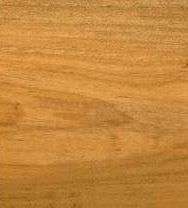
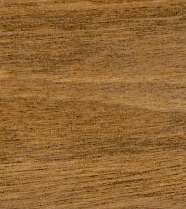
Heartwood Color
| Red | ||||||||||||
| Pink | ||||||||||||
| Brown | ||||||||||||
| Black | ||||||||||||
| Straw colored | ||||||||||||
| Greenish-Yellow |
Lime water or other alkalis are reported to turn the wood bright greenish yellow and wood chips are reported to impart a yellowish to greenish yellow color to water
Sapwood Color
| White | ||||||||||||
| Red | ||||||||||||
| Green/Grey | ||||||||||||
| Yellow | ||||||||||||
| Paler than heartwood | ||||||||||||
| Color not distinct from heartwood |
Grain
| Even | ||||||||||||
| Closed | ||||||||||||
| Figure | ||||||||||||
| Crossed | ||||||||||||
| Straight | ||||||||||||
| Wavy |
| Wavy | ||||||||||||
| Straight | ||||||||||||
| Crossed |
Texture
| Medium | ||||||||||||
| Coarse | ||||||||||||
| Fine |
Very smooth under sharp tools
Luster
| Medium | ||||||||||||
| High | ||||||||||||
| Lustrous | ||||||||||||
| Dull |
Natural Durability
| Susceptible to insect attack | ||||||||||||
| Perishable | ||||||||||||
| Non-durable | ||||||||||||
| Non-resistant to termites | ||||||||||||
| Non-resistant to powder post beetles | ||||||||||||
| Moderately durable | ||||||||||||
| Resistant to powder post beetles | ||||||||||||
| Very high natural resistance | ||||||||||||
| Susceptible to marine borer attack |
Odor
| No specific smell or taste |
Drying Defects
| Internal Honeycombing Possible | ||||||||||||
| Collapse | ||||||||||||
| Checking | ||||||||||||
| Distortion | ||||||||||||
| Checking |
Ease of Drying
| Slowly | ||||||||||||
| Little degrade if dried properly | ||||||||||||
| Easy |
Kiln Drying Rate
| Naturally dries at a moderate speed |
Tree Size
| Tree height is 30-40 m | ||||||||||||
| Trunk diameter is 100-150 cm | ||||||||||||
| Bole length is 10-20 m | ||||||||||||
| Bole length is 20-30 m | ||||||||||||
| Tree height is 20-30 m | ||||||||||||
| Bark width is 10-15 mm | ||||||||||||
| Tree height is 40-50 m | ||||||||||||
| Bark width is 15-20 mm |
Product Sources
The genus is the most importatnt in its family as a source of timber in the Philippines, with Molave and Dangula (V. aherniana) being the best known species in the genus.
Blunting Effect
| Moderate |
Boring
| Easy |
Carving
| Good results |
Cutting Resistance
| Low resistance | ||||||||||||
| Easy to saw |
Gluing
| Fairly Easy to Very Easy |
Mortising
| Finishes well |
Responds readily to machine tools
Moulding
| Easy to mould |
Movement in Service
| Small | ||||||||||||
| Medium |
Nailing
| Fairly Easy to Very Easy | ||||||||||||
| Very Good to Excellent Results | ||||||||||||
| Fair to Good Results |
Planing
| Yields a clean surface | ||||||||||||
| Planes to a smooth surface | ||||||||||||
| Easy to plane |
Responds readily to hand and machine tools.
Resistance to Impregnation
| Resistant heartwood | ||||||||||||
| Resistant sapwood |
Response to Hand Tools
| Easy to Work | ||||||||||||
| Fairly Difficult to Difficult to Work | ||||||||||||
| Responds well | ||||||||||||
| Good |
Routing & Recessing
| Responds well to routing operations |
Turning
| Easy to turn |
Veneering Qualities
| Suitable for peeling | ||||||||||||
| Veneers easily | ||||||||||||
| Veneers moderately easy |
Painting
| Very Good to Excellent Results | ||||||||||||
| Fair to Good Results |
Polishing
| Fair to Good Results | ||||||||||||
| Very Good to Excellent Results |
Staining
| Fair to Good Results | ||||||||||||
| Fairly Easy to Very Easy |
Strength Properties
| Compression strength (parallel to grain) = high | ||||||||||||
| Bending strength (MOR) = high |
High density
Numerical Data
| Item | Green | Dry | English |
| Bending Strength | 12969 | 17005 | psi |
| Crushing Strength | 1826 | 2188 | psi |
| Density | 49 | lbs/ft3 | |
| Impact Strength | 21 | inches | |
| Maximum Crushing Strength | 6767 | 9255 | psi |
| Shearing Strength | 1854 | psi | |
| Static Bending | 8223 | 10677 | psi |
| Stiffness | 1450 | 1965 | 1000 psi |
| Toughness | 431 | inch-lbs | |
| Specific Gravity | 0.64 | 0.68 | |
| Weight | 48 | 39. | lbs/ft3 |
| Radial Shrinkage | 4 | % | |
| Tangential Shrinkage | 6 | % | |
| Item | Green | Dry | Metric |
| Bending Strength | 911 | 1195 | kg/cm2 |
| Crushing Strength | 128 | 153 | kg/cm2 |
| Density | 785 | kg/m3 | |
| Impact Strength | 53 | cm | |
| Maximum Crushing Strength | 475 | 650 | kg/cm2 |
| Shearing Strength | 130 | kg/cm2 | |
| Static Bending | 578 | 750 | kg/cm2 |
| Stiffness | 101 | 138 | 1000 kg/cm2 |
| Toughness | 496 | cm-kg | |
| Specific Gravity | 0.64 | 0.68 | |
| Weight | 769 | 624. | kg/m3 |
| Radial Shrinkage | 4 | % |
References
Chudnoff, M.,1984,Tropical Timbers of the World,U.S.A. Department of Agriculture, Forest Service, Forest Products,Laboratory, Madison.
Desch, H. E. 1954. Manual of Malayan Timbers – Volume II. Malayan Forest Records, No. 15. Malaysia Publishing House Ltd., Singapore.
Lauricio, F. M., Bellosillo, S. B., The Mechanical and Related Properties of Philippine Woods, The Philippine Lumber Journal, 12(5):A-H.
Record, S.J. and R.W. Hess. 1943. Timbers of the New World. Published on the Charles Lathrop Pack Foundation, Yale University Press, New Haven CT.
Schneider, E.E. 1916. Commercial Woods of the Philippines: Their Preparation and Uses. Bulletin No. 14. Department of the Interior, Bureau of Forestry, Manila, Philippines.
WCMC. 1992. Conservation Status Listing – Trees and Timbers of the World. World Conservation Monitoring Center-Plants Programme, Cambridge, CB3 ODL, United Kingdom