Scientific Name
Tapirira guianensis
Trade Name
Ana-akara
Family Name
Anacardiaceae
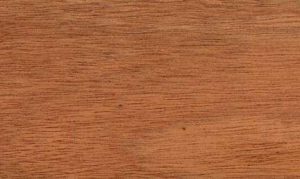
Common Names
Ana-akara, Anoema latti, Ata-apiriri, Atapiriri, Bagamani, Basa mope, Bois tapire, Caoba de montana, Cedrillo, Cedro nogal, Cedrohy, Cedroi, Corazon colorado, Danlieba, Djedoe, Doka, Dokka, Dooka, Duck, Duka, Fresno, Fruta de paloma, Fruta de pomba, Gommier viande biche, Guaruba, Isaparitsi, Jobillo, Jobo, Jobo liso, Kressi pisie, Man krappa, Masse, Matawarie nenge, Matawarie nengidjedoe, Pau pombo, Redwood, Saprieran, Southern wild mahogany, Tamoene-nooitjano-atapi-riri, Tapaculo, Tapiriri, Tatapiririca, Tatpiririca, Vagamani, Vanamani, Warimia, Warimia balli, Wild mahogany, Witte hoedoe
Regions of Distribution
Central America, Latin America, Oceania and S.E. Asia
Countries of Distribution [VIEW MAP]
Brazil, French Guiana, Guyana, Mexico, Peru, Trinidad and Tobago
Common Uses
Agricultural implements, Boat building (general), Boxes and crates, Cabinetmaking, Flooring, Handles: woodworking tools, Heavy construction, Joinery, Light construction, Matches, Particleboard, Plywood, Posts, Veneer: decorative
Environmental Profile
| Abundant/Secure |
Heartwood Color
| Brown | ||||||||||||
| Yellow | ||||||||||||
| Pale red to pink | ||||||||||||
| Brown | ||||||||||||
| Yellow to golden-yellow to orange | ||||||||||||
| Greenish to greyish |
Sapwood Color
| Yellow | ||||||||||||
| White | ||||||||||||
| Paler than heartwood | ||||||||||||
| White to yellow | ||||||||||||
| Pinkish |
Grain
| Straight | ||||||||||||
| Even | ||||||||||||
| Interlocked |
| Straight | ||||||||||||
| Interlocked |
Texture
| Medium | ||||||||||||
| Fine to medium | ||||||||||||
| Medium |
Luster
| High | ||||||||||||
| Medium | ||||||||||||
| Lustrous | ||||||||||||
| Slightly lustrous | ||||||||||||
| Pronounced |
Natural Growth Defects
| Gum/resin streaks |
Natural Durability
| Very durable | ||||||||||||
| Durable | ||||||||||||
| Resistant to termites | ||||||||||||
| Non durable | ||||||||||||
| Sapwood is susceptible to wood staining fungal attack | ||||||||||||
| Susceptible to attack from termites (Isoptera) | ||||||||||||
| Susceptible to attack from powder post (Lyctid & Bostrychid) beetles | ||||||||||||
| Perishable |
Weathering
| Good |
Light-Induced Color Change
| Darker |
Kiln Schedules
| Drying (speed) is fast | ||||||||||||
| Dry at a slow speed |
Drying Defects
| Uneven Moisture Content | ||||||||||||
| Checking | ||||||||||||
| Distortion | ||||||||||||
| Expect resin/gum exudation | ||||||||||||
| Severe end splitting |
Ease of Drying
| Variable | ||||||||||||
| Easy |
Tree Identification
| Bole/stem form is buttressed | ||||||||||||
| Bole/stem form is straight | ||||||||||||
| Bole/stem form is not buttressed |
Tree Size
| Bole length is 10-20 m | ||||||||||||
| Tree height is 40-50 m | ||||||||||||
| Trunk diameter is 100-150 cm |
Comments
General finishing qualities are rated as good
Blunting Effect
| High to severe |
Boring
| Fairly difficult to very difficult | ||||||||||||
| Easy |
Carving
| Fairly Difficult to Very Difficult |
Cutting Resistance
| Fairly Difficult to Very Difficult to saw |
Gluing
| Fair to Good Results |
Mortising
| Fairly Difficult to Very Difficult |
Moulding
| Fairly Difficult to Very Difficult |
Movement in Service
| Fair to Good Stability – Medium Movement |
Nailing
| Pre-Boring Recommended | ||||||||||||
| Fair to Good Results | ||||||||||||
| Holds nails well | ||||||||||||
| Easy to nail | ||||||||||||
| Nails hold poorly |
Planing
| Fairly Difficult to Very Difficult | ||||||||||||
| Planes well, to a good finish | ||||||||||||
| Easy to plane |
Resistance to Impregnation
| Resistant heartwood | ||||||||||||
| Resistant sapwood | ||||||||||||
| Heartwood is moderately resistant |
Response to Hand Tools
| Fairly Difficult to Difficult to Work | ||||||||||||
| Easy to machine |
Routing & Recessing
| Fairly Difficult to Very Difficult |
Screwing
| Fair to Good Results | ||||||||||||
| Pre-boring recommended | ||||||||||||
| Fairly Easy to Very Easy | ||||||||||||
| Easy to screw |
Turning
| Fairly Difficult to Very Difficult | ||||||||||||
| Easy to turn | ||||||||||||
| Good results |
Veneering Qualities
| Suitable for slicing | ||||||||||||
| Easy to cut | ||||||||||||
| Suitable for slicing | ||||||||||||
| Suitable for peeling |
Steam Bending
| Fair to Good Results |
Polishing
| Very Good to Excellent Results | ||||||||||||
| Satisfactory results | ||||||||||||
| Good results |
Staining
| Fair to Good Results | ||||||||||||
| Fairly Easy to Very Easy |
Strength Properties
| Density (dry weight) = 31-37 lbs/cu. ft. | ||||||||||||
| Bending strength (MOR) = low | ||||||||||||
| Shearing strength (parallel to grain) = very low | ||||||||||||
| Max. crushing strength = low | ||||||||||||
| Shrinkage, Tangential = moderate | ||||||||||||
| Modulus of Elasticity (stiffness) = low | ||||||||||||
| Hardness (side grain) = very soft | ||||||||||||
| Shrinkage, Tangential = fairly large | ||||||||||||
| Shrinkage, Radial = small | ||||||||||||
| Shrinkage, Radial = moderate | ||||||||||||
| Modulus of Elasticity (stiffness) = very low | ||||||||||||
| Max. crushing strength = medium | ||||||||||||
| Density (dry weight) = 38-45 lbs/cu. ft. | ||||||||||||
| Density (dry weight) = 23-30 lbs/cu. ft. | ||||||||||||
| Shrinkage, Radial = very small | ||||||||||||
| Hardness (side grain) = soft | ||||||||||||
| Density (dry weight) = 46-52 lbs/cu. ft. | ||||||||||||
| Bending strength (MOR) = very low | ||||||||||||
| Shrinkage, Tangential = small | ||||||||||||
| Shrinkage, Tangential = large | ||||||||||||
| Shrinkage, Radial = large | ||||||||||||
| Shrinkage, Radial = fairly large |
Numerical Data
| Item | Green | Dry | English |
| Bending Strength | 5511 | 8595 | psi |
| Density | 34 | lbs/ft3 | |
| Hardness | 571 | lbs | |
| Maximum Crushing Strength | 2785 | 4819 | psi |
| Shearing Strength | 882 | psi | |
| Stiffness | 1222 | 1420 | 1000 psi |
| Weight | 33 | 26 | lbs/ft3 |
| Radial Shrinkage | 3 | % | |
| Tangential Shrinkage | 8 | % | |
| Item | Green | Dry | Metric |
| Bending Strength | 387 | 604 | kg/cm2 |
| Density | 544 | kg/m3 | |
| Hardness | 259 | kg | |
| Maximum Crushing Strength | 195 | 338 | kg/cm2 |
| Shearing Strength | 62 | kg/cm2 | |
| Stiffness | 85 | 99 | 1000 kg/cm2 |
| Weight | 528 | 416 | kg/m3 |
| Radial Shrinkage | 3 | % |
References
Almeida, D.G. de, Costa, J.R. da,1956,Madeiras do Brasil. (Timbers of Brazil.,Min. Ag. Servico de Economia Rural, Rio de Janeiro, Brazil,pp56
Belize,1946,42 Secondary Hardwood Timbers of British Honduras,British Honduras Forest Department Bulletin,No.1
Berni, C.A., Bolza, E., Christensen, F.J.,1979,South American Timbers – The Characteristics, Properties and Uses of 190,Species,C.S.I.R.O Div. Building Research
Brooks, R.L., et al,1941,Durability tests on Untreated Timbers in Trinidad,Caribbean Forester,2(3,pp101-119
Caribbean Commission,1952,Information on properties of timbers gathered by questionnaire and,collated in the secretariat of the Caribbean Commission including some,related data from technical literature.,Caribbean Commission, Port of Spain, Trinidad Caribbean Timbers, their,Utilization and Trade within the area CTUTA/1/Doc.7 + App.1-18
Erfurth, T., Rusche, H.,1976,The Marketing of Tropical Wood B. Wood Species from S. American Tropical,Moist Forests,F.A.O. Forestry Department
Falla Ramirez, A.,1971,Resultados de Estudios Fisico-Mechanicos de Algunas Maderas de la Serrania,de San Lucas. (Some timbers of the San Lucas mountain range.,Plegable Divulgativo, Div. Forestal, Inderena Colombia,pp6
Fanshawe, D.B.,1954,Forest Products of British Guiana Part 1 Principal Timbers,Forest Department British Guiana Forestry Bulletin (New Series 2nd,Edition,No.1
Hoheisel, H.,1968,Identification of some Colombian wood Sp. and their possible use on the,basis of physical and mechanical properties,Latin American Forest Research and Training Institute, Merida Venezuala
Kynoch, W., Norton, N.A.,1938,Mechanical Properties of certain tropical woods chiefly from S. America,School of Forestry and Conservation, University of Michigan Bulletin,No.7
Marshall, R.C.,1934,Trees of Trinidad and Tobago,Government Printer Port of Spain Trinidad
Marshall, R.C.,1939,Silviculture of the trees of Trinidad and Tobago – British West Indies,O.U.P.,London
Record, S.J., Hess, R.W.,1943,Timbers of the New World,Yale University Press
Record, S.J., Mell, C.D.,1924,Timbers of Tropical America,Yale Univ. Press
Record, S.J.,1939,American Woods of the Family Anacardiaceae,Tropical Woods,8(60,pp11-45
Sao Paulo – Instituto de Pesquisas Tecnologicas,1956,Tabelas de Resultados obtidos para Madeiras Nacionais,Inst. Pesq. Tec. Sao Paulo, Brazil Bol., No.31(2nd Ed.)
Slooten van der, H.J., Martinez, E.P.,1959,Descripcion y propiedades de algunas madeiras Venezolanas,Inst. for Lation Americano de Investigacion y Capaciticion Boletin,Informaturo Dirulgaturo
Takahashi, A.,1975,Compilation of data on the Mechanical Properties of Foreign Woods (Part 2,Central and South America,Shimane University, Japan, Research Report on Foreign Wood No.4
Tropical Woods,1968,Madeiras Comercias Brasileiras,Inst. Pesq. Tec. Sao Paulo Brazil Publ.,857
Venezuela-Laboratories Nacional de Productos Forestates,1974,Caraderisticas, Propiedades y usos de 104 Maderas de los allos Ilanos,occidentales,Min. Ag. y Cria, Universidad de Los andes, Merida, Venezuela Lab.Nac. de,Prod. For