Scientific Name
Swietenia mahagoni
Trade Name
Cuban mahogany
Family Name
Meliaceae
Common Names
Acajou, Acajou de Cuba, Acajou de Saint Domingue, Acajou de St. Domingue, Acajou des Antilles, Aguano, Antillen mahogani, Bay mahogany, Caoba, Caoba de Santo Domingo, Caoba Dominicana, Caobilla, Chiculte, Cobano, Cuban mahogany, Curlet mahogany, Dominican mahogany, Echites mahagoni, Gateado, Jamaica mahogany, Kuba mahogany, Madiera, Mahagoni, Mahog, Mahogany, Mahogany du pays, Mahogany petites feuilles, Mahok, Mahoni, Mongo, Orura, Small-leaf mahogany, West Indian mahogany, West Indies mahogany
Regions of Distribution
Central America, Latin America, North America, Oceania and S.E. Asia
Countries of Distribution [VIEW MAP]
Bahamas, Bolivia, Brazil, Columbia, Cuba, Dominican Republic, Guadelope [France], Haiti, Jamaica, Mexico, Peru, United States, Venezuela
Common Uses
Baskets, Bent Parts, Boat building (general), Boat building, Boat building: decking, Boat building: framing, Boat building: planking, Building materials, Cabinetmaking, Canoes, Carvings, Chairs, Chests, Cooperages, Core Stock, Decorative veneer, Desks, Dining-room furniture, Domestic flooring, Drawer sides, Drawing boards, Excelsior, Figured veneer, Fine furniture, Flooring, Food containers, Framing, Fuelwood, Furniture , Furniture components, Furniture squares or stock, Furniture, Handles: general, Hatracks, Heavy construction, Interior construction, Interior trim, Joinery (external): ground contact, Joinery, Kitchen cabinets, Lifeboats, Light construction, Living-room suites, Millwork, Office furniture, Pallets, Paneling , Paneling, Parquet flooring, Plain veneer, Plywood, Tables , Toys, Turnery, Veneer, Veneer: decorative, Woodenware
Environmental Profile
| Widespread | ||||||||||||
| Source – CITES | ||||||||||||
| Some long-term concern for the species | ||||||||||||
| Rare in some parts of its range, particularly at the periphery | ||||||||||||
| May become threatened | ||||||||||||
| Globally secure | ||||||||||||
| Extinct, Endangered, Vulnerable, or Rare within its range | ||||||||||||
| Data source is World Conservation Monitoring Center | ||||||||||||
| Data source is Nature Conservancy | ||||||||||||
| Abundant |
A government issued export permit is required to verify that the source of the timber is a sustainably managed forest, a plantation, or salvaged wood.
The species is also classified as either Extinct, Endangered, Vulnerable, or Rare within its natural habitat in the Dominican Republic (
Distribution Overview
The growth range of the species extends from southern Mexico into northern South America, the West Indies, Cuba, Haiti, Jamaica, and the Dominican Republic. The tree is extremely widespread in Florida.
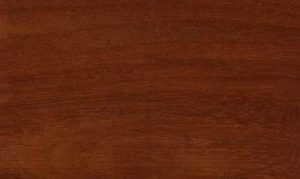
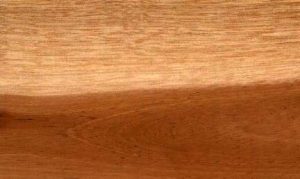
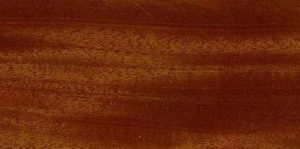
Heartwood Color
| Red | ||||||||||||
| Brown | ||||||||||||
| Pink | ||||||||||||
| Purple | ||||||||||||
| Reddish brown | ||||||||||||
| Yellow to golden-yellow to orange | ||||||||||||
| Red | ||||||||||||
| Pale red to pink | ||||||||||||
| Yellowish brown | ||||||||||||
| Dark brown | ||||||||||||
| Color varies considerably | ||||||||||||
| Brown |
Sapwood Color
| White to yellow | ||||||||||||
| Well defined | ||||||||||||
| Whitish | ||||||||||||
| Paler than heartwood |
Grain
| Figure | ||||||||||||
| Straight | ||||||||||||
| Distinct (figure) | ||||||||||||
| Wavy | ||||||||||||
| Interlocked | ||||||||||||
| Mottled (figure) | ||||||||||||
| Even | ||||||||||||
| Closed | ||||||||||||
| Stripe (figure) | ||||||||||||
| Irregular | ||||||||||||
| Other (figure) | ||||||||||||
| Growth rings (figure) |
| Straight | ||||||||||||
| Wavy | ||||||||||||
| Mottled figure | ||||||||||||
| Interlocked | ||||||||||||
| Distinct and very fine figure | ||||||||||||
| Striped figure | ||||||||||||
| Other figure | ||||||||||||
| May be interlocked | ||||||||||||
| Irregular | ||||||||||||
| Clear growth rings (figure) |
Highly attractive figures such as fiddleback, blister, stripe or roe, and mottle are produced by irregularities in the grain
Texture
| Fine | ||||||||||||
| Fine | ||||||||||||
| Medium | ||||||||||||
| Medium to coarse | ||||||||||||
| Medium coarse and uniform | ||||||||||||
| Fine to medium |
Luster
| Medium | ||||||||||||
| Pronounced | ||||||||||||
| High | ||||||||||||
| Golden luster |
Natural Durability
| Durable | ||||||||||||
| Moderately durable | ||||||||||||
| Resistant to termites | ||||||||||||
| Susceptible to insect attack | ||||||||||||
| Resistant to powder post beetles | ||||||||||||
| Durable | ||||||||||||
| Resistant to attack from termites (Isoptera) | ||||||||||||
| Susceptible to pinhole borers | ||||||||||||
| Susceptible to marine borer attack | ||||||||||||
| Moderately durable | ||||||||||||
| Heartwood susceptible to marine borer attack | ||||||||||||
| Heartwood resistant to attack by white rot and brown rot fungi | ||||||||||||
| Heartwood moderately resistant to dry-wood termites | ||||||||||||
| Heartwood is moderately resistant to decay |
Odor
| No specific smell or taste |
Light-Induced Color Change
| Darker |
Toxicity
| Dermatitic effects |
Kiln Schedules
| UK=E US=T6D2/T3D1 Fr=5 | ||||||||||||
| T6 – D4 (4/4) US | ||||||||||||
| T3 – D3 (8/4) US |
Drying Defects
| Distortion | ||||||||||||
| Checking | ||||||||||||
| Collapse | ||||||||||||
| Internal Honeycombing Possible | ||||||||||||
| No twisting or warping | ||||||||||||
| No surface checking | ||||||||||||
| Slight surface checking | ||||||||||||
| Slight distortion |
Ease of Drying
| Easy | ||||||||||||
| Dries rapidly |
Kiln Drying Rate
| Drying rate is fairly rapid to fast |
Tree Identification
| Bole/stem form is buttressed | ||||||||||||
| Bole/stem form is not buttressed | ||||||||||||
| Bole/stem form is cylindrical |
Tree Size
| Tree height is 30-40 m | ||||||||||||
| Trunk diameter is 100-150 cm | ||||||||||||
| Trunk diameter is 150-200 cm | ||||||||||||
| Sapwood width is 0-5 cm | ||||||||||||
| Sapwood width is 5-10 cm |
Product Sources
Cuban mahogany is currently available in adequate quantities at moderate prices, but supplies are expected to decline because of very high demand.
For more than two centuries Cuban or Spanish mahogany has been the most favored wood in the world for making cabinets, but its indiscriminate exploitation has severely eroded its commercial importance. The species is hard to buy; export from Cuba has been banned since 1946, and it is scarce and unavailable in commercial quantities from Haiti, Jamaica, and the Dominican Republic.
Substitutes
Khaya ivorensis , K. anthotheca , K. grandifolia , and K. senegalensis are good substitues. Crabwood (Carapa guianensis) is similar in color and appearance, and also as tough.
Sapele (Entandrophragma cylindricum) is superior in strength properties. Silky oak (Grevillea robusta) is also similar.
Comments
Exposure to sunlight may cause fading
General finishing qualities are rated as good
Mahogany is regarded as the most valuable timber tree in tropical America. It is believed to have been used by the European colonists as early as the sixteenth century, if not earlier. The name Mahogany is often used to refer to many species, some of which are not even mahoganies, such as the Philippine mahogany. The best of the species, which is very scarce, is reported to grow in the West Indies
Tension wood may be present
Blunting Effect
| High to severe | ||||||||||||
| Slight |
Boring
| May be some chipping & tearing when working figured wood | ||||||||||||
| Good results |
Carving
| Fairly good response to preservative treatment |
Cutting Resistance
| Easy to saw | ||||||||||||
| Cutting Resistance with green wood is easy | ||||||||||||
| Cutting Resistance with dry wood is easy |
Gluing
| Easy to glue |
Mortising
| Easy to mortise | ||||||||||||
| Material tends to chip and tear | ||||||||||||
| Finishes poorly |
Moulding
| Easy to mould | ||||||||||||
| Poor moulding results |
Figured material tends to be somewhat difficult to work to a smooth surface.
Movement in Service
| Very stable after kiln drying | ||||||||||||
| Stable | ||||||||||||
| Has very little response to changes in atmospheric conditions |
Nailing
| Holds nails well | ||||||||||||
| Good nailing properties | ||||||||||||
| Easy to nail |
Planing
| Fairly Easy to Very Easy | ||||||||||||
| Easy to plane | ||||||||||||
| Figured material may cause grain to chip and tear |
Resistance to Impregnation
| Resistant heartwood | ||||||||||||
| Resistant sapwood | ||||||||||||
| Sapwood is resistant | ||||||||||||
| Heartwood is resistant | ||||||||||||
| Heartwood is highly resistant |
Response to Hand Tools
| Easy to Work | ||||||||||||
| Easy to machine | ||||||||||||
| Good response |
Routing & Recessing
| Routing is easy |
Sanding
| Easy to sand |
Screwing
| Good screwing properties |
Turning
| Good results | ||||||||||||
| Easy to turn |
Veneering Qualities
| Easy to cut |
Steam Bending
| Good | ||||||||||||
| Fairly good response to preservative treatment |
Polishing
| Fair to Good Results | ||||||||||||
| Good results |
Staining
| Fair to Good Results | ||||||||||||
| Finish is generally good | ||||||||||||
| Stains well |
Varnishing
| Good results |
Strength Properties
| Density (dry weight) = 46-52 lbs/cu. ft. | ||||||||||||
| Max. crushing strength = medium | ||||||||||||
| Modulus of Elasticity (stiffness) = very low | ||||||||||||
| Density (dry weight) = 53-60 lbs/cu. ft. | ||||||||||||
| Density (dry weight) = 31-37 lbs/cu. ft. | ||||||||||||
| Shrinkage, Tangential = very small | ||||||||||||
| Shrinkage, Radial = very small | ||||||||||||
| Bending strength (MOR) = medium | ||||||||||||
| Shrinkage, Tangential = small | ||||||||||||
| Shrinkage, Radial = moderate | ||||||||||||
| Density (dry weight) = 38-45 lbs/cu. ft. | ||||||||||||
| Bending strength (MOR) = low | ||||||||||||
| Bending strength (MOR) = high | ||||||||||||
| Work to Maximum Load = low | ||||||||||||
| Weight = moderate | ||||||||||||
| Shrinkage, Radial = small | ||||||||||||
| Modulus of Elasticity (stiffness) = low | ||||||||||||
| Max. crushing strength = high | ||||||||||||
| Hardness (side grain) = very soft | ||||||||||||
| Hardness (side grain) = soft | ||||||||||||
| Hardness (side grain) = medium | ||||||||||||
| Crushing strength = high |
Numerical Data
| Item | Green | Dry | English |
| Bending Strength | 8955 | 13519 | psi |
| Density | 41 | lbs/ft3 | |
| Hardness | 990 | lbs | |
| Maximum Crushing Strength | 4289 | 7086 | psi |
| Shearing Strength | 1989 | psi | |
| Stiffness | 1065 | 1281 | 1000 psi |
| Work to Maximum Load | 7 | 10 | inch-lbs/in3 |
| Specific Gravity | 0.53 | 0.57 | |
| Weight | 40 | 39 | lbs/ft3 |
| Radial Shrinkage | 3 | % | |
| Tangential Shrinkage | 5 | % | |
| Item | Green | Dry | Metric |
| Bending Strength | 629 | 950 | kg/cm2 |
| Density | 657 | kg/m3 | |
| Hardness | 449 | kg | |
| Maximum Crushing Strength | 301 | 498 | kg/cm2 |
| Shearing Strength | 139 | kg/cm2 | |
| Stiffness | 74 | 90 | 1000 kg/cm2 |
| Work to Maximum Load | 0.49 | 0.70 | cm-kg/cm3 |
| Specific Gravity | 0.53 | 0.57 | |
| Weight | 641 | 624 | kg/m3 |
| Radial Shrinkage | 3 | % |
References
Boone, R.S., C.J. Kozlik, P.J. Bois, E.M. Wengert. 1988. Dry Kiln Schedules for Commercial Hardwoods – Temperate and Tropical. USDA, Forest Service, General Technical Report FPL-GTR-57, Forest Products Laboratory, Madison, Wisconsin.
Cuevas, E.,1977,American Mahogany (Swietenia spp.,C.S.I.R.O. Div. Building Research Information Service Sheet,10-12
Forest Trust – Goodwood. 1993. Personal Communication
Harrar, E.S.,1942,Some Physical Properties of Modern Cabinet Woods 3. Directional and Volume,Shrinkage,Tropical Woods,9(71, pp26-32
HMSO. 1981. Handbook of Hardwoods, 2nd Edition. Revised by R. H. Farmer. Department of the Environment, Building Research Establishment, Princes Risborough Laboratory, Princes Risborough, Aylesbury, Buckinghamshire.
International Tropical Timber Organization (ITTO) 1991. Pre-project Study on the Conservation Status of Tropical Timbers in Trade. Reported by the World Conservation Monitoring Center (WCMC, Cambridge, London
Kaiser, Jo-Ann. Wood of the Month. Wood & Wood Products, July 1986 to September 1993.
Kynoch, W., Norton, N.A.,1938,Mechanical Properties of certain tropical woods chiefly from S. America,School of Forestry and Conservation, University of Michigan Bulletin,No.7
Lincoln, W.A. 1986. World Woods in Color. Linden Publishing Co. Inc., Fresno, California.
Little, E.L., Wadsworth, F.H.,1964,Common Trees of Puerto Rico and the Virgin Islands,U.S.A. Department of Agriculture, Agriculture Handbook,No.249
Longwood, F.R.,1962,Commercial Timbers of the Caribbean,U.S.A. Department of Agriculture, Agriculture Handbook,No.207
Martawijaya, A., Kadir, K., Kartasujana, I.,1986,Indonesian Wood Atlas. Vol.1.,Department of Forestry Agency for Forestry Research and Development.,Bogar-Indonesia
Sallenave, P.,1955,Proprietes Phyiques et Mecaniques des Bois Tropicaux de l’Union Francaise,C.T.F.T
Smith, E.E.,1954,The Forests of Cuba,Maria Moors Cabot Foundation,U.S.A. Publication, No. 2
Swabey, C.,1941,The Principal Timbers of Jamaica,Department of Science and Agriculture Jamaica Bulletin No.29
Takahashi, A.,1975,Compilation of data on the Mechanical Properties of Foreign Woods (Part 2,Central and South America,Shimane University, Japan, Research Report on Foreign Wood No.4
Timber Development Association,1942,Spanish Mahogany – Swietenia mahagoni,Trada Timber Leaflet No. 22
WCMC. 1992. Conservation Status Listing – Trees and Timbers of the World, World Conservation Monitoring Centre, Plants Programme, 219 Huntingdon Road, Cambridge, CB3 ODL, United Kingdom.
Woods, R.P.,1949,Timbers of South America,TRADA, Red Booklet Series