Scientific Name
Stereospermum chelonoides
Trade Name
Atcapali
Family Name
Bignoniaceae
Synonyms
Stereospermum suaveolens, Stereospermum tetragonum, Bignonia chelnoides
Common Names
Atcapali, Bolzel, Chota padar, Chota palang, Dharmara, Dunu madala, Kala goru, Kall-udi, Karingkura, Kariyam, Koosga, Kuring-kura, Lunu-madala, Moka yapa, Mukarti, Padar, Pader, Padri, Pamphunia, Parari, Pareya auwal, Pareya-auwal, Paroli, Parral, Pathiri, Pindri, Pisul, Pombathiri, Pomleathiri, Pompathorai, Pon-padri, Singwe thakutpo, Singyen, Sirpang, Tagada, Taitu, Thagu, Thande, Tsaingtsa, Vela-padri
Regions of Distribution
Oceania and S.E. Asia
Countries of Distribution [VIEW MAP]
Bangladesh, Burma, India, Sri Lanka
Common Uses
Boat building (general), Boxes and crates, Cabinetmaking, Canoes, Charcoal, Flooring, Furniture, Heavy construction, Light construction, Mine timbers, Oars, Plywood, Railroad ties, Structural work, Tool handles, Turnery, Vehicle parts
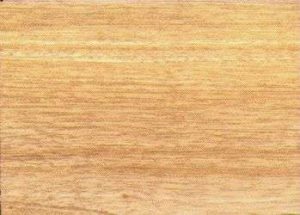
Heartwood Color
| Purple | ||||||||||||
| Red | ||||||||||||
| Brown | ||||||||||||
| Yellow to golden-yellow to orange | ||||||||||||
| Brown | ||||||||||||
| Greenish to greyish |
Sapwood Color
| White | ||||||||||||
| Yellow | ||||||||||||
| Same as heartwood |
Grain
| Even | ||||||||||||
| Straight |
| Straight |
Texture
| Fine | ||||||||||||
| Medium | ||||||||||||
| Coarse |
Luster
| Lustrous |
Natural Durability
| Very durable | ||||||||||||
| Durable | ||||||||||||
| Resistant to termites | ||||||||||||
| Susceptible to insect attack | ||||||||||||
| Non-resistant to powder post beetles | ||||||||||||
| Resistant to powder post beetles | ||||||||||||
| Moderately durable | ||||||||||||
| Resistant to attack from termites (Isoptera) | ||||||||||||
| Non durable | ||||||||||||
| Durable |
Drying Defects
| Splitting |
Ease of Drying
| Difficult |
Tree Size
| Trunk diameter is 100-150 cm | ||||||||||||
| Tree height is 50-60 m | ||||||||||||
| Bole length is 30-40 m | ||||||||||||
| Bole length is 20-30 m | ||||||||||||
| Tree height is 40-50 m | ||||||||||||
| Sapwood width is 5-10 cm | ||||||||||||
| Sapwood width is 10-15 cm | ||||||||||||
| Tree height is 30-40 m | ||||||||||||
| Bole length is 10-20 m | ||||||||||||
| Tree height is 20-30 m | ||||||||||||
| Bole length is 0-10 m |
Comments
General finishing qualities are rated as poor
General finishing qualities are rated as satisfactory
Blunting Effect
| Blunting effect on machining is fairly severe |
Cutting Resistance
| Fairly Difficult to Very Difficult to saw | ||||||||||||
| Cutting Resistance with green wood is easy | ||||||||||||
| Cutting Resistance with dry wood is easy |
Gluing
| Fairly Easy to Very Easy |
Nailing
| Fairly Easy to Very Easy |
Planing
| Fairly Easy to Very Easy | ||||||||||||
| Very Good to Excellent Results | ||||||||||||
| Fair to Good Results |
Resistance to Impregnation
| Resistant sapwood | ||||||||||||
| Resistant heartwood |
Response to Hand Tools
| Easy to Work | ||||||||||||
| Easy to machine |
Polishing
| Fair to Good Results | ||||||||||||
| Good results |
Strength Properties
| Density (dry weight) = 31-37 lbs/cu. ft. | ||||||||||||
| Modulus of Elasticity (stiffness) = very low | ||||||||||||
| Modulus of Elasticity (stiffness) = low | ||||||||||||
| Max. crushing strength = medium | ||||||||||||
| Hardness (side grain) = medium | ||||||||||||
| Density (dry weight) = 61-67 lbs/cu. ft | ||||||||||||
| Density (dry weight) = 53-60 lbs/cu. ft | ||||||||||||
| Density (dry weight) = 46-52 lbs/cu. ft. | ||||||||||||
| Density (dry weight) = 38-45 lbs/cu. ft. | ||||||||||||
| Bending strength (MOR) = medium | ||||||||||||
| Bending strength (MOR) = low | ||||||||||||
| Toughness-Hammer drop (Impact Strength) = medium | ||||||||||||
| Toughness-Hammer drop (Impact Strength) = low | ||||||||||||
| Toughness-Hammer drop (Impact Strength) = high | ||||||||||||
| Max. crushing strength = low | ||||||||||||
| Max. crushing strength = high |
Numerical Data
| Item | Green | Dry | English |
| Bending Strength | 7711 | 12078 | psi |
| Density | 44 | lbs/ft3 | |
| Hardness | 1658 | lbs | |
| Impact Strength | 40 | inches | |
| Maximum Crushing Strength | 4218 | 6664 | psi |
| Stiffness | 1188 | 1383 | 1000 psi |
| Weight | 43 | 35 | lbs/ft3 |
| Item | Green | Dry | Metric |
| Bending Strength | 542 | 849 | kg/cm2 |
| Density | 705 | kg/m3 | |
| Hardness | 752 | kg | |
| Impact Strength | 101 | cm | |
| Maximum Crushing Strength | 296 | 468 | kg/cm2 |
| Stiffness | 83 | 97 | 1000 kg/cm2 |
References
Bourdillon, T.F.,1908,The Forest Trees of Travancore,Travancore Government Press
Desch, H.E.,1954,Manual of Malayan Timbers (2 vols,Malayan Forest Records,no.15
Gamble, J.S.,1902,A Manual of Indian Timbers,Sampson Low, Marston & Co. London
Nazma,1981,A handbook of Kerala Timbers,Kerala Forest Research Institute Research Report, No.9
Pearson, R.S., Brown, H.P.,1932,Commercial Timbers of India,Govt. Printer Calcutta,2 vols
Tewari, M.C., Jain, J.C.,1980,Utilization of Secondary Species,Journal of the National Building Organization 25(2) pp1-6