Scientific Name
Shorea plagata
Trade Name
Balau
Family Name
Dipterocarpaceae
Common Names
Balau, Balau merah, Membatu, Red balau, Red selangan batu
Regions of Distribution
Oceania and S.E. Asia
Countries of Distribution [VIEW MAP]
Philippines
Common Uses
Baskets, Bent Parts, Boat building, Building materials, Cabinetmaking, Canoes, Chairs, Chests, Cooperages, Core Stock, Decorative veneer, Desks, Dining-room furniture, Domestic flooring, Drawer sides, Excelsior, Figured veneer, Fine furniture, Flooring, Food containers, Framing, Fuelwood, Furniture , Furniture components, Furniture squares or stock, Hatracks, Interior construction, Interior trim, Joinery, Kitchen cabinets, Lifeboats, Living-room suites, Millwork, Office furniture, Pallets, Paneling , Parquet flooring, Plain veneer, Tables , Veneer, Woodenware
Environmental Profile
| Status has not been officially assessed |
Distribution Overview
The Balau group of Shorea grows in Malaysia, Philippines, and Indonesia, and is often found in pure stands. The natural growth range of Shorea genus is rather extensive, from India and Sri Lanka in the west and throughout Burma and several countries in Southeast Asia, and up to the Philippines in the east. The forests of Borneo, Sumatra, and the Malay Peninsula are reported to contain the highest concentration of species in the genus.
Heartwood Color
| Brown | ||||||||||||
| Black | ||||||||||||
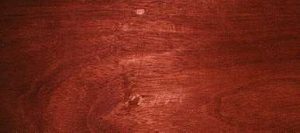
| Light deep red brown or yellow-brown to brown or dark reddish-brown |
Sapwood Color
| Brown | ||||||||||||
| Grey | ||||||||||||
| Not differentiated from heartwood | ||||||||||||
| Lighter than heartwood |
Grain
| Interlocked |
| Interlocked |
Texture
| Medium | ||||||||||||
| Even or uniform | ||||||||||||
| Uniform | ||||||||||||
| Resinous and oily | ||||||||||||
| Moderately fine to slightly coarse |
Luster
| Low | ||||||||||||
| Non-lustrous | ||||||||||||
| Dull |
Natural Growth Defects
| Hollowed logs are not uncommon | ||||||||||||
| Abundant in some locations |
Natural Durability
| Perishable | ||||||||||||
| Non-resistant to termites | ||||||||||||
| Vulnerable to attack by powder-post beetles | ||||||||||||
| Varied durability from non-durable to very durable |
Odor
| Has an odor | ||||||||||||
| No distinct odor or taste |
Kiln Schedules
| T6-D4 (4/4) | ||||||||||||
| T3-D3 (8/4) US Schedule G (4/4) United Kingdom |
Drying Defects
| Splitting | ||||||||||||
| Distortion | ||||||||||||
| Wood may end split and check | ||||||||||||
| Warping is common but variable | ||||||||||||
| Existing shakes may open up |
Ease of Drying
| Reconditioning Treatement | ||||||||||||
| Fairly Easy | ||||||||||||
| Little degrade | ||||||||||||
| Dries slowly | ||||||||||||
| Difficult | ||||||||||||
| Air drying before kiln-drying is recommended |
Tree Size
| Trunk diameter is 100-150 cm |
They often develop straight cylindrical boles with adequate merchantable lengths
Product Sources
Shorea is the major source of timber in Southeast Asia. They are plentiful, and supplies are universally available, especially in the form of veneers. This popular wood is typically priced in the inexpensive range.
Many species in the Shorea genus are also a source of other economically important non-timber products. Seeds of some species yield fat which is used in the manufacture of chocolate. Others produce nuts, the most common of which is the illipe nuts of commerce produced by S. gysbertisiana . The nuts yield a fat which is similar to cocoa-butter in some of its properties. Shorea trees are also tapped for oleo-resin, and typical dammar is obtained from S. wiesneri which grows in Java and Sumatra. The tree of S. robusta produces dammar which is used as a disinfectant and as incense in religious ceremonies in India. Other non-timber products from Shorea are reported to include tannin and fibers.
Blunting Effect
| High to severe | ||||||||||||
| Medium dulling effect on cutting edges |
It is hard, heavy, and very dense and also because of the presence of interlocked grain
Boring
| Fair to good results | ||||||||||||
| Fairly difficult to very difficult | ||||||||||||
| Difficult |
They are hard and heavy, and usually contain interlocked grain
Carving
| Fair to Good Results | ||||||||||||
| Fairly Difficult to Very Difficult | ||||||||||||
| Responds poorly to carving operations |
Cutting Resistance
| Fairly Difficult to Very Difficult to saw | ||||||||||||
| Saws cleanly with moderate blutning of cutting edges |
Gluing
| Variable gluing properties |
Mortising
| Fair to Good Results | ||||||||||||
| Fairly Difficult to Very Difficult | ||||||||||||
| May prosuce some torn surface in material containing interlocked grain |
Moulding
| Fair to Good Results | ||||||||||||
| Fairly Difficult to Very Difficult | ||||||||||||
| Difficult moulding qualities |
Balau timbers are usually hard and heavy
Movement in Service
| Fair to Good Stability – Medium Movement | ||||||||||||
| Retains shape well after manufacture | ||||||||||||
| Dimensionally stable after seasoning |
Nailing
| Pre-Boring Recommended | ||||||||||||
| Poor to Very Poor Results | ||||||||||||
| Unsuitable for Nailing | ||||||||||||
| Splits severely and readily | ||||||||||||
| Pre-boring recommended |
Planing
| Fair to Good Results | ||||||||||||
| Fairly Difficult to Very Difficult | ||||||||||||
| Interlocked grain may cause some tearing, and a reduced cutting angle of 20 degrees is recommended in planing | ||||||||||||
| Difficult to plane and machine in most operations due to high density | ||||||||||||
| Can be planed to a smooth finish |
Resistance to Impregnation
| Resistant heartwood | ||||||||||||
| Resistant sapwood | ||||||||||||
| Permeable sapwood | ||||||||||||
| Sapwood is permeable | ||||||||||||
| Extremely resistant to preservative treatment |
Response to Hand Tools
| Fairly Difficult to Difficult to Work | ||||||||||||
| Fairly difficult to work with hand tools because of its high density and interlocked grain |
Routing & Recessing
| Fair to Good Results | ||||||||||||
| Fairly Difficult to Very Difficult | ||||||||||||
| Difficult routing operations |
Sanding
| Fairly Easy to Very Easy | ||||||||||||
| Fair to Good Results | ||||||||||||
| Fair sanding qualities |
Screwing
| Pre-boring recommended | ||||||||||||
| Poor screwing qualities |
Turning
| Some tearing of grain | ||||||||||||
| Moderate blunting effect on cutters | ||||||||||||
| Difficult to turn since it is hard, heavy, dense and contains interlocked grain |
Veneering Qualities
| Suitable for peeling |
Steam Bending
| Requires support on outer surface | ||||||||||||
| Fair steam bending qualities |
Polishing
| Surface Preparation | ||||||||||||
| Fair to Good Results | ||||||||||||
| Satisfactory polishing properties |
Staining
| Rarely stained |
Strength Properties
| Very heavy | ||||||||||||
| Resists wearing, denting and marring fairly well | ||||||||||||
| Fairly hard | ||||||||||||
| Density=Very high | ||||||||||||
| Compression strength (parallel to grain)=very high | ||||||||||||
| Bending strength in the air-dry condition…very high |
It is far superior in strength to either Teak or Hard maple
Numerical Data
| Item | Green | Dry | English |
| Bending Strength | 10998 | 25368 | psi |
| Crushing Strength | 1103 | 1742 | psi |
| Density | 52 | lbs/ft3 | |
| Hardness | 1649 | lbs | |
| Impact Strength | 44 | 52 | inches |
| Maximum Crushing Strength | 5046 | 9980 | psi |
| Shearing Strength | 1673 | psi | |
| Static Bending | 7652 | 17144 | psi |
| Stiffness | 2049 | 3387 | 1000 psi |
| Toughness | 632 | inch-lbs | |
| Specific Gravity | 0.69 | 0.75 | |
| Weight | 59 | 49 | lbs/ft3 |
| Radial Shrinkage | 6 | % | |
| Tangential Shrinkage | 11 | % | |
| Item | Green | Dry | Metric |
| Bending Strength | 773 | 1783 | kg/cm2 |
| Crushing Strength | 77 | 122 | kg/cm2 |
| Density | 833 | kg/m3 | |
| Hardness | 747 | kg | |
| Impact Strength | 111 | 131 | cm |
| Maximum Crushing Strength | 354 | 701 | kg/cm2 |
| Shearing Strength | 117 | kg/cm2 | |
| Static Bending | 538 | 1205 | kg/cm2 |
| Stiffness | 144 | 238 | 1000 kg/cm2 |
| Toughness | 728 | cm-kg | |
| Specific Gravity | 0.69 | 0.75 | |
| Weight | 945 | 785 | kg/m3 |
| Radial Shrinkage | 6 | % |
References
Arno, J. 1988. Shorea spp. – Luan. In A Guide to Useful Woods of the World. Flynn Jr., J.H., Editor. King Philip Publishing Co., Portland, Maine. 1994. Page 329-330.
Chowdhury, K.A. and S.S. Ghosh. 1958. Indian Woods – Their Identification, Properties and Uses, Volume I – Dilleniaceae to Elaeocarpaceae. Published by the Manager of Publications, Delhi, India.
Chudnoff, M.,1984,Tropical Timbers of the World,U.S.A. Department of Agriculture, Forest Service, Forest Products,Laboratory, Madison.
Lauricio, F. M., Bellosillo, S. B., The Mechanical and Related Properties of Philippine Woods, The Philippine Lumber Journal, 12(5):A-H
Limaye, V.D. and B.R. Sen. 1956. Weights and Specific Gravities of Indian Woods. Indian Forest Records (New Series). Timber Mechanics. Volume 1 No. 4. Manager of Publications (Publisher, Delhi.
Lincoln, W.A. 1986. World Woods in Color. Linden Publishing Co. Inc., Fresno, California.