Scientific Name
Sarcocephalus cordatus
Trade Name
Canary cheesewood
Family Name
Common Names
Canary cheesewood
Regions of Distribution
Oceania and S.E. Asia
Countries of Distribution [VIEW MAP]
India, Malaysia, Myanmar, Philippines, Sri Lanka
Environmental Profile
| Abundant/Secure | ||||||||||||
| Status has not been officially assessed |
Distribution Overview
The genus Sarcocephalus is well represented in southeast Asia, including the Philippines and the Malay Peninsula. S. cordatus occurs in the Philippines, India, Burma, and Sri Lanka.
Heartwood Color
| Brown | ||||||||||||
| Purple | ||||||||||||
| Red | ||||||||||||
| Black | ||||||||||||
| Green/grey | ||||||||||||
| Orange-Yellow or saffron-yellow | ||||||||||||
| Orange-Red | ||||||||||||
| Loses brightness after prolonged exposure |
Sapwood Color
| White | ||||||||||||
| Yellow | ||||||||||||
| Brown | ||||||||||||
| Pink | ||||||||||||
| Green/Grey | ||||||||||||
| Red | ||||||||||||
| Not distinct from heartwood |
Grain
| Interlocked |
| Shallowly interlocked | ||||||||||||
| Broad stripe on quartersawn surfaces |
Texture
| Fine | ||||||||||||
| Medium | ||||||||||||
| Moderately fine to slightly coarse |
Luster
| Low | ||||||||||||
| Medium |
Natural Durability
| Susceptible to insect attack | ||||||||||||
| Moderately durable | ||||||||||||
| Resistant to marine borers | ||||||||||||
| Resistant to powder post beetles | ||||||||||||
| Resistant to termites | ||||||||||||
| Very durable | ||||||||||||
| Durable | ||||||||||||
| Non-resistant to termites | ||||||||||||
| Perishable | ||||||||||||
| Non-durable | ||||||||||||
| Low natural resistance to decay when in contact with the ground | ||||||||||||
| Deteriorates rapidly when in contact with ground |
Odor
| Has an odor | ||||||||||||
| No distinct odor or taste |
Drying Defects
| Splitting | ||||||||||||
| Checking |
Ease of Drying
| Fairly Easy | ||||||||||||
| Rapidly | ||||||||||||
| Seasons with little degrade | ||||||||||||
| Liable to stain |
Kiln Drying Rate
| Naturally dries quickly | ||||||||||||
| Drying rate is fairly rapid to fast |
Tree Size
| Tree height is 30-40 m | ||||||||||||
| Bole length is 20-30 m | ||||||||||||
| Trunk diameter is 100-150 cm | ||||||||||||
| Sapwood width is 0-5 cm | ||||||||||||
| Tree height is 40-50 m |
Trees are small to medium-sized,
Comments
Medicinal purposes
Yield edible fruit
Boring
| Fairly easy to very easy | ||||||||||||
| Fairly difficult to very difficult | ||||||||||||
| Fair to good results |
Carving
| Fairly Difficult to Very Difficult |
Cutting Resistance
| Easy to saw | ||||||||||||
| Moderate to saw | ||||||||||||
| Fairly Difficult to Very Difficult to saw | ||||||||||||
| Easy to saw |
Compared to that of cheese
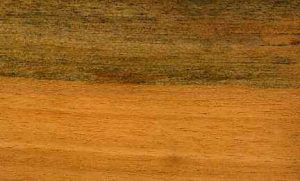
Known in Australia as Canary cheesewood, wood produced by S. cordatus is highly regarded for its saffron-yellow color
Gluing
| Fair to Good Results | ||||||||||||
| Fairly Easy to Very Easy |
Mortising
| Very Good to Excellent Results | ||||||||||||
| Fairly Difficult to Very Difficult | ||||||||||||
| Fair to Good Results |
Moulding
| Fairly Difficult to Very Difficult |
Nailing
| Pre-Boring Recommended | ||||||||||||
| Poor to Very Poor Results |
Planing
| Fairly Easy to Very Easy | ||||||||||||
| Fair to Good Results | ||||||||||||
| Fairly Difficult to Very Difficult | ||||||||||||
| Very Good to Excellent Results |
Resistance to Impregnation
| Resistant heartwood | ||||||||||||
| Permeable sapwood | ||||||||||||
| Resistant sapwood |
Response to Hand Tools
| Easy to Work | ||||||||||||
| Responds Readily | ||||||||||||
| Works in most operations without difficulty to produce a clean finish | ||||||||||||
| Highly suitable for carving | ||||||||||||
| Excellent turning qualitites |
Routing & Recessing
| Fairly Difficult to Very Difficult |
Sanding
| Very Good to Excellent Results | ||||||||||||
| Fair to Good Results |
Turning
| Fairly Easy to Very Easy | ||||||||||||
| Fair to Good Results | ||||||||||||
| Poor to Very Poor Results | ||||||||||||
| Very Good to Excellent Results | ||||||||||||
| Fairly Difficult to Very Difficult |
Veneering Qualities
| Difficult to veneer |
Polishing
| Fair to Good Results | ||||||||||||
| Poor to Very Poor Results |
Numerical Data
| Item | Green | Dry | English |
References
Desch, H. E. 1954. Manual of Malayan Timbers – Volume II. Malayan Forest Records, No. 15. Malaya Publishing House Ltd., Singapore.
Howard, A.L. 1920. A Manual of the Timbers of the World:Their Characteristics and Uses, Third Edition. McMillan and Co., London, 751 pp.
Reyes, L.J. 1938. Philippine Woods. Department of Agriculture and Commerce, Technical Bulletin 7, Commonwealth of the Philippines, Bureau of Printing, Manila.