Scientific Name
Pycnanthus angolensis
Trade Name
Ilomba
Family Name
Myristicaceae
Synonyms
Myristica kombo, Myristica ngolensis, Pycnanthus kombo, Pycnanthus microcephalus, Pycnanthus schweinfurtnii


Common Names
Abora, Adre, Adria, African nutmeg, Akomu, Anakue, Antenli, Anwor, Atenli, Bakondo, Bali, Bassa, Bemba, Bokondo, Bokongo, Bosambe, Bosenga, Boxboard, Boyei, Calabo, Cardboard, Cardwood, Dean, Denke, Diehn, Dihin, Dihn, Edna, Edua, Effoi, Ekom, Entro, Escamba, Etama, Etan, Etang, Eteng, Etienh, Etsi, Etsiw, Etsu, Gboyei, Hetere, Ilomba, Kiang, Kombo, Komo, Kpokogi, Kpoyei, Kpoyej, Kuurul, Lamba, Lifondo, Llombo, Lolako, Lomba, Lunaba, Lusenga, Moghan, Moulomba, Mukagato, Mulomba, Munaba, Muno, Mutuje, N’kombo, N’laomba, Nesamba, Netere, Ngitsa, Ngosame, Nigerian boxwood, Obala, Omachan, Ongano, Ote, Oti, Otie, Oualele, Pitchong, Pomponi, Pycnanthus, Qualele, Senga, Tamarkwa, Teke, Ten, Teng, Tian, Tidea, Tika, Tshilombe, Tshimbbuku, Walehe, Walele, Walfle, Whismore, White cedar
Regions of Distribution
Africa
Countries of Distribution [VIEW MAP]
Angola, Cameroon, Congo, Gabon, Ghana, Guinea, Ivory Coast, Liberia, Nigeria, Senegal, Sierra Leone, Tanzania, Togo, Uganda
Common Uses
Bent Parts, Boat building (general), Boxes and crates, Building materials, Cabinetmaking, Canoes, Chairs, Chests, Decorative plywood, Desks, Dining-room furniture, Drawer sides, Excelsior, Fine furniture, Furniture , Furniture components, Furniture squares or stock, Furniture, Hatracks, Interior construction, Interior trim, Joinery, Kitchen cabinets, Light construction, Living-room suites, Matches, Millwork, Model airplanes, Moldings, Office furniture, Paneling, Particleboard, Plywood, Pulp/Paper products, Radio – stereo – TV cabinets, Rustic furniture, Shingles, Stools, Trimming, Turnery, Utility furniture, Veneer, Veneer: decorative, Wainscotting, Wardrobes
Environmental Profile
| Data source is World Conservation Monitoring Center | ||||||||||||
| Abundant |
Rather secure within its natural growth range in Cameroon, Congo, Ivory Coast, and Uganda. Its status in the wild in Angola, Ghana, Guinea, Nigeria, Sao Tome, Sierra Leone, and Togo is currently listed as unknown because of insufficient information
Distribution Overview
The natural range of the species extends from Guinea to Uganda and Angola in Africa. It grows in lowland forests, and is especially abundant in secondary forests.
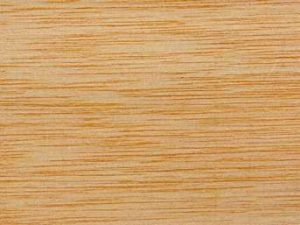
Heartwood Color
| Yellow | ||||||||||||
| Red | ||||||||||||
| Brown | ||||||||||||
| Orange | ||||||||||||
| Pale red to pink | ||||||||||||
| Greenish to greyish | ||||||||||||
| White to cream | ||||||||||||
| Brown | ||||||||||||
| Pale brown | ||||||||||||
| Yellow to golden-yellow to orange | ||||||||||||
| White or pale gray when freshly cut | ||||||||||||
| Seasons to pink-brown | ||||||||||||
| Gray or violet shades may be present |
Both heartwood and sapwood are rather plain grayish-white to pinkish-brown, occasionally with yellowish or mauve markings
Sapwood Color
| Red | ||||||||||||
| Yellow | ||||||||||||
| Color not distinct from heartwood | ||||||||||||
| Pinkish |
Grain
| Straight | ||||||||||||
| Figure | ||||||||||||
| Even | ||||||||||||
| Distinct (figure) | ||||||||||||
| Weak (figure) |
| Straight | ||||||||||||
| Weak figure | ||||||||||||
| Generally straight, but not always | ||||||||||||
| Distinct figure |
Quartersawn surfaces are reported to exhibit a mottled figure.
Texture
| Fine | ||||||||||||
| Coarse | ||||||||||||
| Medium | ||||||||||||
| Even textured |
Moderately coarse to medium
Luster
| Lustrous | ||||||||||||
| Dull | ||||||||||||
| Non-lustrous |
Natural Durability
| Perishable | ||||||||||||
| Non-durable | ||||||||||||
| Perishable | ||||||||||||
| Susceptible to attack from powder post (Lyctid & Bostrychid) beetles | ||||||||||||
| Sapwood is susceptible to wood staining fungal attack | ||||||||||||
| Susceptible to attack from termites (Isoptera) | ||||||||||||
| Non durable | ||||||||||||
| Susceptible to marine borer attack | ||||||||||||
| Pinworms (ambrosia beetles) often present in the standing tree | ||||||||||||
| Pinworms (ambrosia beetles) may be present in the felled log | ||||||||||||
| Pinworms (ambrosia beetles) are commonly present | ||||||||||||
| Very little natural resistance to decay in ground contact | ||||||||||||
| Susceptible to termite attack | ||||||||||||
| Susceptible to marine borer attack |
Rapid extraction of logs after felling is recommended to avoid degrade due to attack by insects and fungi.
Odor
Freshly-Milled wood has unpleasant odor which disappears upon drying
Toxicity
| Poisonous |
Kiln Schedules
| Drying (speed) is fast | ||||||||||||
| Dry at a slow speed | ||||||||||||
| US=T3-C2/T3-C1 | ||||||||||||
| UK=C US=T3C2/T3C1 Fr=3 | ||||||||||||
| UK=C |
Drying Defects
| Severe end splitting | ||||||||||||
| Severe collapse and honeycomb | ||||||||||||
| Severe twisting/warping | ||||||||||||
| Moderate end spitting | ||||||||||||
| Moderate cupping | ||||||||||||
| Severe cupping | ||||||||||||
| No twisting or warping | ||||||||||||
| High tendency for wood to split and distort |
Ease of Drying
| Fairly Easy | ||||||||||||
| Difficult | ||||||||||||
| Easy | ||||||||||||
| Thicker stock is difficult to dry | ||||||||||||
| Requires careful drying |
Tree Identification
| Bole/stem form is cylindrical | ||||||||||||
| Bole/stem form is buttressed | ||||||||||||
| Bole/stem form is straight | ||||||||||||
| Bole/stem form is not buttressed |
Tree Size
| Tree height is 10-20 m | ||||||||||||
| Tree height is 20-30 m |
Product Sources
The ITTO reports that the species is an important source of timber which is exported frequently.
Substitutes
Onzabili (Antrocaryon klaineanum and A. micraster) is a plywood substitute.
Comments
General finishing qualities are rated as good
The wood may split under frost conditions
Blunting Effect
| Slight bluting effect on cutting tools |
Boring
| Good results |
Carving
| Good results |
Cutting Resistance
| Easy to saw | ||||||||||||
| Quickly | ||||||||||||
| Easy to saw |
Gluing
| Good properties | ||||||||||||
| Easy to glue |
Mortising
| Easy to mortise | ||||||||||||
| Responds well to machine tools in mortising operations |
Moulding
| Easy to mould | ||||||||||||
| Good moulding properties |
Movement in Service
| Stable | ||||||||||||
| Small | ||||||||||||
| Medium |
Nailing
| Easy to nail | ||||||||||||
| Holds nails well | ||||||||||||
| Good nailing properties |
Planing
| Easy to plane | ||||||||||||
| Good planing properties |
Resistance to Impregnation
| Heartwood is permeable | ||||||||||||
| Permeable |
Response to Hand Tools
| Easy to Work | ||||||||||||
| Easy to machine | ||||||||||||
| Works readily with hand tools | ||||||||||||
| Slight blunting effect on cutting edges |
Routing & Recessing
| Mortises readily to yield clean surfaces |
Sanding
| Easy to sand | ||||||||||||
| Good sanding finish | ||||||||||||
| Good characteristics |
Screwing
| Screwing yields good results | ||||||||||||
| Good screwing properties | ||||||||||||
| Good screw holding properties | ||||||||||||
| Easy to screw |
Turning
| Responds well to ordinary machine tools in moulding operations |
Veneering Qualities
| Easy to cut | ||||||||||||
| No drying degrade. Dries flat without splitting | ||||||||||||
| Suitable for slicing | ||||||||||||
| Suitable for peeling | ||||||||||||
| Good gluing qualities |
Painting
| Good results |
Polishing
| Satisfactory results | ||||||||||||
| Poor results | ||||||||||||
| Good results | ||||||||||||
| Well defined |
Staining
| Reacts with Iron to discolour wood | ||||||||||||
| Finish is generally good |
Varnishing
| Good results |
Strength Properties
| Density (dry weight) = 31-37 lbs/cu. ft. | ||||||||||||
| Max. crushing strength = medium | ||||||||||||
| Bending strength (MOR) = low | ||||||||||||
| Shrinkage, Tangential = fairly large | ||||||||||||
| Modulus of Elasticity (stiffness) = very low | ||||||||||||
| Shrinkage, Radial = moderate | ||||||||||||
| Shearing strength (parallel to grain) = very low | ||||||||||||
| Hardness (side grain) = soft | ||||||||||||
| Bending strength (MOR) = medium | ||||||||||||
| Max. crushing strength = low | ||||||||||||
| Density (dry weight) = 23-30 lbs/cu. ft. | ||||||||||||
| Shrinkage, Tangential = large | ||||||||||||
| Shrinkage, Radial = fairly large | ||||||||||||
| Hardness (side grain) = very soft | ||||||||||||
| Shrinkage, Tangential = moderate | ||||||||||||
| Modulus of Elasticity (stiffness) = low | ||||||||||||
| Shrinkage, Radial = small | ||||||||||||
| Shrinkage, Radial = large | ||||||||||||
| Shearing strength (parallel to grain) = medium | ||||||||||||
| Modulus of Elasticity (stiffness) = medium | ||||||||||||
| Weight = moderate | ||||||||||||
| Shrinkage, Tangential = small | ||||||||||||
| Shearing strength (parallel to grain) = low | ||||||||||||
| Density = medium | ||||||||||||
| Compression strength (parallel to grain) = low | ||||||||||||
| Bending strength (MOR) = very low | ||||||||||||
| Air-Dried condition about 12% moisture content |
Bending strength is lower than Mahogany, and much lower than White oak.
It is weaker than Mahogany or Teak
Numerical Data
| Item | Green | Dry | English |
| Bending Strength | 6933 | 10474 | psi |
| Density | 30 | lbs/ft3 | |
| Hardness | 749 | lbs | |
| Maximum Crushing Strength | 3394 | 5626 | psi |
| Shearing Strength | 1214 | psi | |
| Stiffness | 1196 | 1328 | 1000 psi |
| Specific Gravity | 0.39 | ||
| Weight | 36 | 30 | lbs/ft3 |
| Radial Shrinkage | 4 | % | |
| Tangential Shrinkage | 8 | % | |
| Volumetric Shrinkage | 13 | % | |
| Item | Green | Dry | Metric |
| Bending Strength | 487 | 736 | kg/cm2 |
| Density | 480 | kg/m3 | |
| Hardness | 339 | kg | |
| Maximum Crushing Strength | 238 | 395 | kg/cm2 |
| Shearing Strength | 85 | kg/cm2 | |
| Stiffness | 84 | 93 | 1000 kg/cm2 |
| Specific Gravity | 0.39 | ||
| Weight | 576 | 480 | kg/m3 |
| Radial Shrinkage | 4 | % | |
| Tangential Shrinkage | 8 | % |
References
Bertin, A., Meniaud, J.,1949,Timbers of the Cameroons,Compagnie Francais du Cameroon,(Transl. by F.Jane)
Bois et Forets des Tropiques,1950,Ilomba (Pycnanthus angolensis,Bois et Forets des Tropiques,No.13,pp39-42
Bois et Forets des Tropiques,1975,Ilomba (Pycnanthus angolensis,Bois et Forets des Tropiques,No.159,pp39-54
Bois, P.J.,1966,The Strength Properties of Tanzania Timbers,Tanzania Forest Div. Util. Sec. Moshi Tech. Note, No.35
Bolza, E., Keating, W.G.,1972,African Timbers – the Properties, Uses and Characteristics of 700 Species,C.S.I.R.O. Div. of Building Research
Boulton, E.H.B., Price, T.J.,1931,Some Further Notes on Triplochiton scleroxylon,Tropical Woods,4(25, pp3-4
Brown, W.H.,1969,Properties and uses of Tropical hardwoods in the United Kingdom. Part 1,Nonstructural properties and uses.,Conference on Tropical hardwoods SC-5/TN-5, Syracuse University
Brown, W.H.,1978,Timbers of the World No.1 Africa,TRADA, Red Booklet Series
Chudnoff, M.,1984,Tropical Timbers of the World,U.S.A. Department of Agriculture, Forest Service, Forest Products,Laboratory, Madison.
Cooper, G.P., Record, S.J.,1931,The Evergreen Forests of Liberia,Yale School Forestry Bulletin,31,pp1-153
Eggeling, W.J.,1940,Indigenous Trees of Uganda,Govt. Printer Entebbe Uganda
Erfurth, T., Rusche, H.,1976,The Marketing of Tropical Wood A. Wood Species from African Moist Forests,F.A.O. Forestry Department
Farmer, R.H.,1972,Handbook of Hardwoods,HMSO
Forests Products Research Laboratory, U.K.,1956,A Handbook of Hardwoods,Forest Products Research Laboratory, Princes Risborough, Department of,Science and Industrial Research, Building Research Establishment
Fortin, Y., Poliquin, J.,1976,Natural Durability and Preservation of 100 Tropical African Woods,International Development Research Centre, Canada
Fouarge, J., Gerard, G.,1964,Bois du Mayumbe,I.N.E.A.C. Belguim
France – C.T.F.T./C.T.B.,1982,Guide pour le Choix des Essences Deroulables-pour la fabrication du,contreplaque,C.T.F.T./C.T.B. France
France – C.T.F.T.,1966,Bois Tropicaux,C.T.F.T. Publ.,12
France – C.T.F.T.,1977,Promotion of African Timbers – New Species,CTFT,35 Leaflets
France – Comite Nacional des Bois Coloniaux,1931,Etude Physique et Mecanique des Bois Coloniaux,Assoc. Colonies-Sciences & Comite National des Bios Coloniaux, Paris,,France
Garratt, G.A.,1933,Systematic anatomy of the woods of the Myristicacaeae,Tropical Woods,5(35,pp6-48
Ghana – Timber Marketing Board,1969,Ghana Hardwoods,Timber Marketing Board
Gutierrez Oliva, A., Plaza Pulgar, F.,1967,Caracteristicas fisico-mecanicas de las maderas Espanolas. (Physical and,mechanical properties of Spanish timbers.,Min.Agric./Dir.Gen Montes/Instituto Forestral de Investigaciones,y,Experiencias, Madrid pp102
Hedin, L.,1930,Etude sur la Foret et les Bois du Cameroun,Haut-Commissaire de la Cameroun
HMSO. 1981. Handbook of Hardwoods, 2nd Edition. Revised by R. H. Farmer. Department of the Environment, Building Research Establishment, Princes Risborough Laboratory, Princes Risborough, Aylesbury, Buckinghamshire.
Howard, A.L.,1948,A Manual of Timbers of the World.,Macmillan & Co. Ltd. London 3rd ed.
Hughes, J.F.,1971,The Principal Timber Trees of Cameroon,Unpublished data
I.U.F.R.O.,1973,Veneer Species of the World,Assembled at F.P.L. Madison on behalf of I.U.F.R.O. Working Party on,Slicing and Veneer Cutting
Irvine, F.R.,1961,Woody Plants of Ghana,O.U.P. London
ITTO. 1986. Tropical Timber Atlas, Volume 1 – Africa. International Tropical Timber Organization (ITTO) and Centre Technique Forestier Tropical (CTFT, 45bis, Avenue de la Belle Gabrielle, Nogent-sur-Marne Cedex, France.
Jay, B.A.,1968,Timbers of West Africa,TRADA, Red Booklet Series
Keay, R.W.J. 1989. Trees of Nigeria. Revised Version of Nigerian Trees . Clarendon Press, Oxford.
Keay, R.W.J., et al,1960,Nigerian Trees Vol.1,Nigeria Federal Department of Forest Research, Ibadan
Kennedy, J.D.,1936,Forest Flora of Southern Nigeria,Government Printer Lagos
Kinloch, D., Miller, W.A.,1949,Gold Coast Timbers,Govt. Printer Gold Coast
Kryn, J.M., Forbes, E.W.,1959,The Woods of Liberia,U.S.A. Department of Agriculture,Forest Products Laboratory, Madison,,Report No. 2159
Kukachka, B.F.,1970,Properties of Imported Tropical Woods,Forest Research Paper FPL 125
Kunkel, G.,1965,The Trees of Liberia,German Forestry Mission to Liberia Report,No.3
Lebacq, L., Dechamps, R.,1967,Contribution a un Inventaire de Forets du Nord-kasai,Musee Royal de L’Afrique Centrale Belgium Annals Series 8 No.5
Meniaud, J., Bretonnet, F.,1926,Les Bois Coloniaux d’Afrique dans l’Industrie,Publ. de l’Agence Gen. des Colonies
Pieters, A.,1977,Essences Forestieres du Zaire,R.U.G. Gent Belguim
Rendle, B.J.,1969,World Timbers (3 Vols.,Ernest Benn Ltd. London
Sallenave, P.,1955,Proprietes Phyiques et Mecaniques des Bois Tropicaux de l’Union Francaise,C.T.F.T
Sallenave, P.,1964,Proprietes Physiques et Mecaniques des Bois Tropicaux (Premier Supplement,C.T.F.T. Publ.,no.23
Sallenave, P.,1971,Proprietes Physiques et Mecaniques des Bois Tropicaux (Deuxieme,Supplement,C.T.F.T.
Savill, P.S., Fox, J.E.D.,1967,Trees of Sierra Leone
Tack, C.H.,1969,Uganda Timbers,Govt. Printer Uganda
Takahashi, A.,1978,Compilation of Data on the Mechanical Properties of Foreign Woods (Part,III) Africa,Shimane University, Japan, Research Report on Foreign Wood No. 7
Taylor, C.J.,1960,Synecology and Silviculture in Ghana,University College of Ghana Thomas Nelson and Sons
Timber Development Association Ltd.,1955,World Timbers (3 Vols.,Timber Development Association Ltd.
Timber Development Association,1948,Some New Timbers and Their Uses No. 34,Timber Development Association Limited, London [TRADA]
U.S.D.A. Forest Service,1974,Wood Handbook,U.S.A. Department of Agriculture, Forest Service Handbook,72
United Kingdom – H.M.S.O.,1954,Report of the Matchwood Working Party,H.M.S.O. for the Board of Trade and Ministry of Materials
Unwin, A.H.,1920,West African Forests and Forestry,T. Fisher Unwin Ltd. London
Voorhoeve, A.G.,1965,Liberian High Forest Trees,Centre for Agric. Publishing and Documentation, Wageningen
Wood, B., Calnan, D.,1976,Toxic Woods,British Journal of Dermat 94 Suppl. 13