Scientific Name
Parashorea stellata
Trade Name
Chan oi
Family Name
Dipterocarpaceae
Synonyms
Parashorea poilanei, Shorea cinerea, Shorea stellata
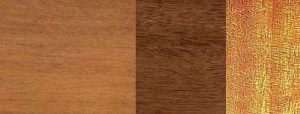
Common Names
Chan oi, Chengal, Chengal tiga banir, Cho chi, Dmar laut, Gerutu, Gerutu-gerutu, Gerutugerutu, Hao, Kabba, Kadut, Kadutni, Kadutpyu, Kai kieo, Kaunghmu, Kawthu, Kawwa, Khai kheio, Khai kieo, Khaikhieo, Khamin dam, Kheikhio, Khian sai, Kobe, Koungnhoo, Lemasa, Mai hao, Mangirawan, Maranti botino, May cho chi, May hao, Meluit, Meranti gerutu, Meranti putih, Meranti sabut, Panthitya, Pat lang khieo, Suai, Takhian-sarmporn, Tambun ranggas, Tavoy wood, Tengkawang pasir, Thakhiansarmorn, Thingadu, White meranti
Regions of Distribution
Oceania and S.E. Asia
Countries of Distribution [VIEW MAP]
Brunei, Burma, Cambodia, Laos, Malaysia, Thailand, Vietnam
Common Uses
Boat building (general), Boxes and crates, Cabinetmaking, Flooring, Furniture, Heavy construction, Joinery, Light construction, Paneling, Particleboard, Plywood, Poles, Pulp/Paper products, Railroad ties, Vehicle parts, Veneer
Heartwood Color
| Brown | ||||||||||||
| Yellow | ||||||||||||
| Orange | ||||||||||||
| White | ||||||||||||
| Purple | ||||||||||||
| Black | ||||||||||||
| Red | ||||||||||||
| Pink | ||||||||||||
| Green/grey | ||||||||||||
| Yellow to golden-yellow to orange | ||||||||||||
| Reddish brown | ||||||||||||
| Pale red to pink | ||||||||||||
| Pale brown | ||||||||||||
| Brown |
Sapwood Color
| White | ||||||||||||
| Yellow | ||||||||||||
| Brown | ||||||||||||
| Green/Grey | ||||||||||||
| White to yellow |
Grain
| Interlocked | ||||||||||||
| Figure | ||||||||||||
| Even | ||||||||||||
| Straight | ||||||||||||
| Distinct (figure) | ||||||||||||
| Variable (figure) |
| Interlocked | ||||||||||||
| Variable figure | ||||||||||||
| Straight | ||||||||||||
| Distinct figure |
Texture
| Coarse | ||||||||||||
| Coarse | ||||||||||||
| Medium coarse to coarse |
Luster
| Low | ||||||||||||
| Lustrous |
Natural Durability
| Perishable | ||||||||||||
| Non-durable | ||||||||||||
| Susceptible to insect attack | ||||||||||||
| Non-resistant to powder post beetles | ||||||||||||
| Non-resistant to marine borers | ||||||||||||
| Non-resistant to termites | ||||||||||||
| Moderately durable | ||||||||||||
| Sapwood is susceptible to wood staining fungal attack | ||||||||||||
| Heartwood is susceptible to wood staining fungal attack | ||||||||||||
| Durable | ||||||||||||
| Susceptible to marine borer attack | ||||||||||||
| Susceptible to attack from termites (Isoptera) | ||||||||||||
| Susceptible to attack from powder post (Lyctid & Bostrychid) beetles | ||||||||||||
| Non durable |
Kiln Schedules
| Dry at a slow speed | ||||||||||||
| Kiln Drying Rate (in days) is slow |
Drying Defects
| Distortion | ||||||||||||
| Moderate twist/warp | ||||||||||||
| Slight surface checking | ||||||||||||
| Moderate surface checking | ||||||||||||
| Moderate end spitting |
Ease of Drying
| Rapidly | ||||||||||||
| Easy |
Kiln Drying Rate
| Naturally dries quickly | ||||||||||||
| Very slow (>28 days for boards < 32 mm, to >84 days for boards >= 63 mm) |
Tree Identification
| Bole/stem form is buttressed | ||||||||||||
| Bole/stem form is misshapen | ||||||||||||
| Bole/stem form is cylindrical |
Tree Size
| Tree height is 20-30 m | ||||||||||||
| Bole length is 10-20 m | ||||||||||||
| Trunk diameter is 100-150 cm | ||||||||||||
| Trunk diameter is 150-200 cm |
Comments
General finishing qualities are rated as good
Blunting Effect
| Blunting effect on machining is moderate |
Boring
| Easy |
Cutting Resistance
| Cutting Resistance with dry wood is easy |
Mortising
| Finishes well |
Nailing
| Very Good to Excellent Results | ||||||||||||
| Fair to Good Results |
Planing
| Fairly Difficult to Very Difficult | ||||||||||||
| Planes well, to a good finish | ||||||||||||
| Easy to plane | ||||||||||||
| Ease of planing is moderate |
Resistance to Impregnation
| Permeable sapwood | ||||||||||||
| Permeable heartwood | ||||||||||||
| Heartwood is extremely resistant | ||||||||||||
| Heartwood is resistant |
Response to Hand Tools
| Easy to Work | ||||||||||||
| Fairly Difficult to Difficult to Work | ||||||||||||
| Easy to machine |
Turning
| Good results | ||||||||||||
| Easy to turn |
Veneering Qualities
| Suitable for peeling | ||||||||||||
| Suitable for slicing | ||||||||||||
| Veneers moderately easy | ||||||||||||
| Veneers easily | ||||||||||||
| Difficult to veneer |
Steam Bending
| Very poor |
Polishing
| Good results |
Strength Properties
| Density (dry weight) = 38-45 lbs/cu. ft. | ||||||||||||
| Density (dry weight) = 46-52 lbs/cu. ft. | ||||||||||||
| Shrinkage, Tangential = large | ||||||||||||
| Density (dry weight) = 53-60 lbs/cu. ft | ||||||||||||
| Density (dry weight) = 31-37 lbs/cu. ft. | ||||||||||||
| Bending strength (MOR) = medium | ||||||||||||
| Modulus of Elasticity (stiffness) = high | ||||||||||||
| Max. crushing strength = high | ||||||||||||
| Shrinkage, Tangential = fairly large | ||||||||||||
| Shrinkage, Radial = very small | ||||||||||||
| Shrinkage, Radial = moderate | ||||||||||||
| Shrinkage, Radial = large | ||||||||||||
| Shrinkage, Radial = fairly large | ||||||||||||
| Max. crushing strength = medium | ||||||||||||
| Hardness (side grain) = soft | ||||||||||||
| Toughness-Hammer drop (Impact Strength) = low | ||||||||||||
| Shrinkage, Volumetric = fairly large | ||||||||||||
| Shrinkage, Tangential = very small | ||||||||||||
| Shrinkage, Tangential = small | ||||||||||||
| Shrinkage, Tangential = moderate | ||||||||||||
| Shrinkage, Radial = small | ||||||||||||
| Shearing strength (parallel to grain) = medium | ||||||||||||
| Shearing strength (parallel to grain) = low | ||||||||||||
| Bending strength (MOR) = low |
Numerical Data
| Item | Green | Dry | English |
| Bending Strength | 8670 | 13570 | psi |
| Density | 43 | lbs/ft3 | |
| Hardness | 995 | lbs | |
| Impact Strength | 28 | inches | |
| Maximum Crushing Strength | 5706 | 8526 | psi |
| Shearing Strength | 1883 | psi | |
| Stiffness | 2167 | 2494 | 1000 psi |
| Weight | 42 | 34 | lbs/ft3 |
| Radial Shrinkage | 4 | % | |
| Tangential Shrinkage | 8 | % | |
| Volumetric Shrinkage | 13 | % | |
| Item | Green | Dry | Metric |
| Bending Strength | 609 | 954 | kg/cm2 |
| Density | 689 | kg/m3 | |
| Hardness | 451 | kg | |
| Impact Strength | 71 | cm | |
| Maximum Crushing Strength | 401 | 599 | kg/cm2 |
| Shearing Strength | 132 | kg/cm2 | |
| Stiffness | 152 | 175 | 1000 kg/cm2 |
| Weight | 673 | 544 | kg/m3 |
| Radial Shrinkage | 4 | % | |
| Tangential Shrinkage | 8 | % |
References
Brown, W.H.,1978,Timbers of the World, No. 3 Southern Asia,TRADA, Red Booklet Series
Chowdhury, K.A., Ghosh, S.S.,1958,Indian Woods: Their identification, properties and uses Vol. I,Dilleruaceae to Elaeocarpaceae,Manager of Publications, Delhi, India
Fundter, J.M.,1982,Names for Dipterocarp timbers and trees from Asia,Pudoc, Wageningen, Netherlands
Gamble, J.S.,1902,A Manual of Indian Timbers,Sampson Low, Marston & Co. London
I. Soerianegara and R.H.M.J. Lemmens (Editors,1993,Plant Resources of South-East Asia 5,(PROSEA, 1,Timber trees: Major commercial timbers,Pudoc Scientific Publishers, Wageningen 1993
Keating, W.G., Bolza, E.,1982,Characteristics properties and uses of timbers. South East Asia, Northern,Australia and the Pacific,C.S.I.R.O. Div. Chemical Technology,Inkata Press,1
Patterson, D.,1988,Commercial Timbers of the World, 5th Edition,Gower Technical Press
Pearson, R.S., Brown, H.P.,1932,Commercial Timbers of India,Govt. Printer Calcutta,2 vols
Smitinand, T., Et al,1980,A Manual of Diplerocarpaceae of Mainland South-East Asia,Forest Department, Thailand
Sono, P.,1974,Merchantable Timbers of Thailand.,Forest Products Research Division, Royal Forest Department, Bangkok,,Thailand.
Tewari, M.C., Jain, J.C.,1980,Utilization of Secondary Species,Journal of the National Building Organization 25(2) pp1-6
Titmuss, F.H.,1965,Commercial Timbers of the World,Technical Press Ltd., London, 3rd edition