Scientific Name
Myristica chartacea
Trade Name
Kaudamu
Family Name
Myristicaceae
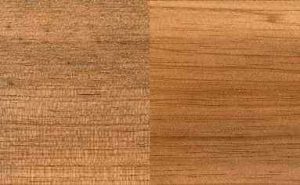
Common Names
Darah darah, Duguan, Kaudamu, Kumpang, Mutwinda, Penarahan, Tambolau
Regions of Distribution
Oceania and S.E. Asia
Countries of Distribution [VIEW MAP]
Fiji [Polynesia], Fiji, Indonesia, Malaysia, Philippines
Common Uses
Balusters, Bedroom suites, Boxes and crates, Building construction, Building materials, Cabinetmaking, Carvings, Casks, Chairs, Chests, Concealed parts (Furniture), Construction, Core Stock, Decorative plywood, Decorative veneer, Desks, Dining-room furniture, Domestic flooring, Dowell pins, Dowells, Drawer sides, Excelsior, Factory flooring, Figured veneer, Fine furniture, Floor lamps, Flooring, Furniture , Furniture components, Furniture squares or stock, Furniture, Handles: general, Hardboards, Hatracks, Interior construction, Joinery (external): ground contact, Joinery, Kitchen cabinets, Ladders, Light construction, Living-room suites, Moldings, Office furniture, Packing cases, Paneling, Particleboard, Plywood, Tool handles, Toys, Turnery, Vehicle parts, Veneer
Environmental Profile
| Questionable | ||||||||||||
| Extinct | ||||||||||||
| Endangered | ||||||||||||
| Status has not been officially assessed |
Distribution Overview
Species in the Myristica genus are reported to occur in the Indo-Malayan region, Indonesia, the Philippines, and Western Pacific Islands.
Heartwood Color
| Yellow | ||||||||||||
| Red | ||||||||||||
| Pink | ||||||||||||
| Orange | ||||||||||||
| Pale red to pink | ||||||||||||
| Pale brown | ||||||||||||
| Light brown |
Sapwood Color
| Yellow | ||||||||||||
| Pink | ||||||||||||
| White to yellow | ||||||||||||
| Different than heartwood | ||||||||||||
| Darkens with exposure | ||||||||||||
| Cream/Pale brown |
Grain
| Straight | ||||||||||||
| Even |
| Straight |
Wood has a plain appearance without features
Texture
| Very fine | ||||||||||||
| Medium | ||||||||||||
| Even textured |
Luster
| High |
Natural Durability
| Durable | ||||||||||||
| Susceptible to attack from powder post (Lyctid & Bostrychid) beetles | ||||||||||||
| Perishable | ||||||||||||
| Sapwood is susceptible to wood staining fungal attack | ||||||||||||
| Non durable | ||||||||||||
| Heartwood is susceptible to wood staining fungal attack | ||||||||||||
| Susceptible to marine borer attack | ||||||||||||
| Susceptible to attack from termites (Isoptera) | ||||||||||||
| Pinworms (ambrosia beetles) are commonly present | ||||||||||||
| Highly susceptible to attack by subterr. and dry wood termites | ||||||||||||
| Highly susceptible to attack by pinhole borers | ||||||||||||
| Highly susceptible to attack by marine borers |
Logs should be removed quickly from the forest after felling to prevent degrade from blue- and yellow-stain.
Odor
| No specific smell or taste |
Kiln Schedules
| T10 – D4S (4/4) US | ||||||||||||
| Kiln Drying Rate (in days) is rapid |
Drying Defects
| Checking | ||||||||||||
| Distortion | ||||||||||||
| Slight collapse and honeycomb | ||||||||||||
| Moderate surface checking | ||||||||||||
| Surface checking and slight collapse are common |
Ease of Drying
| Thick Stock Requires Care | ||||||||||||
| Reconditioning Treatement | ||||||||||||
| Fairly Easy | ||||||||||||
| Requires special attention | ||||||||||||
| Moderate | ||||||||||||
| Requires care to minimize degrade | ||||||||||||
| Mild kiln schedules recommended to minimize drying defects | ||||||||||||
| Might require reconditioning treatment |
The timber requires carefully controlled drying conditions to prevent degrade. Mild kiln schedules are recommended, and a short reconditioning treatment may be necessary to remove collapse.
Kiln Drying Rate
| Rapid (<10 days for boards < 32 mm, to <30 days for boards >= 63 mm) |
Tree Size
Boles are described as often straight and cylindrical.
Product Sources
Kaudamu is the trade name of timber produced by four Myristica species in Fiji. The timbers are very similar and are often mixed and marketed together under the same trade name.
Boring
| Fairly difficult to very difficult | ||||||||||||
| Both green and seasoned material bore easily |
Carving
| Fairly Difficult to Very Difficult | ||||||||||||
| Good results |
Cutting Resistance
| Cutting Resistance with green wood is easy | ||||||||||||
| Cutting Resistance with dry wood is easy | ||||||||||||
| Yields smooth clean surfaces | ||||||||||||
| Fairly easy to saw |
Mortising
| Fairly Difficult to Very Difficult | ||||||||||||
| Easy to mortise |
The material is reported to mortise easily with ordinary tools to produce clean surfaces
Moulding
| Fairly Difficult to Very Difficult | ||||||||||||
| Very good moulding properties | ||||||||||||
| Good finishing results |
Nailing
| Nails hold poorly |
Planing
| Fairly Difficult to Very Difficult | ||||||||||||
| Planes well, to a good finish | ||||||||||||
| Easy to plane | ||||||||||||
| Yields clean surfaces |
Resistance to Impregnation
| Sapwood is resistant | ||||||||||||
| Moderately permeable to preservative treatment | ||||||||||||
| Heartwood is resistant |
Resistance to Splitting
| Poor | ||||||||||||
| Good |
Response to Hand Tools
| Responds Poorly | ||||||||||||
| Fairly Difficult to Difficult to Work | ||||||||||||
| Easy to machine | ||||||||||||
| Responds well to hand tools |
Routing & Recessing
| Fairly Difficult to Very Difficult | ||||||||||||
| Good in both routing and recessing. |
Sanding
| Good sanding properties |
Turning
| Fairly Difficult to Very Difficult | ||||||||||||
| Yields clean surfaces | ||||||||||||
| Easy to turn |
Veneering Qualities
| Easy to cut |
Polishing
| Good results |
Strength Properties
| Max. crushing strength = medium | ||||||||||||
| Bending strength (MOR) = low | ||||||||||||
| Density (dry weight) = 31-37 lbs/cu. ft. | ||||||||||||
| Modulus of Elasticity (stiffness) = very low | ||||||||||||
| Shrinkage, Tangential = large | ||||||||||||
| Shrinkage, Radial = large | ||||||||||||
| Modulus of Elasticity (stiffness) = low | ||||||||||||
| Shrinkage, Tangential = fairly large | ||||||||||||
| Shrinkage, Radial = fairly large | ||||||||||||
| Shearing strength (parallel to grain) = very low | ||||||||||||
| Shearing strength (parallel to grain) = low | ||||||||||||
| Density (dry weight) = 38-45 lbs/cu. ft. | ||||||||||||
| Very dense | ||||||||||||
| Shrinkage, Tangential = moderate | ||||||||||||
| Shrinkage, Radial = moderate | ||||||||||||
| Modulus of Elasticity (stiffness) = medium | ||||||||||||
| Max. crushing strength = low | ||||||||||||
| Heavy | ||||||||||||
| Compression strength (parallel to grain) = high | ||||||||||||
| Bending strength (MOR) = medium |
The bending strength of air-dried wood of the species is similar to that of Teak, which is considered to be strong. Teak, White oak, and Hard maple have high crushing strength. It is moderately hard and resistant to wearing and marring
Numerical Data
| Item | Green | Dry | English |
| Bending Strength | 6929 | 11965 | psi |
| Crushing Strength | 529 | 1068 | psi |
| Density | 37 | lbs/ft3 | |
| Hardness | 864 | lbs | |
| Impact Strength | 23 | inches | |
| Maximum Crushing Strength | 3534 | 6740 | psi |
| Shearing Strength | 1395 | psi | |
| Static Bending | 3783 | 7771 | psi |
| Stiffness | 1270 | 1698 | 1000 psi |
| Toughness | 81 | inch-lbs | |
| Specific Gravity | 0.43 | 0.48 | |
| Weight | 36 | 29 | lbs/ft3 |
| Radial Shrinkage | 4 | % | |
| Tangential Shrinkage | 8 | % | |
| Volumetric Shrinkage | 12 | % | |
| Item | Green | Dry | Metric |
| Bending Strength | 487 | 841 | kg/cm2 |
| Crushing Strength | 37 | 75 | kg/cm2 |
| Density | 592 | kg/m3 | |
| Hardness | 391 | kg | |
| Impact Strength | 58 | cm | |
| Maximum Crushing Strength | 248 | 473 | kg/cm2 |
| Shearing Strength | 98 | kg/cm2 | |
| Static Bending | 265 | 546 | kg/cm2 |
| Stiffness | 89 | 119 | 1000 kg/cm2 |
| Toughness | 93 | cm-kg | |
| Specific Gravity | 0.43 | 0.48 | |
| Weight | 576 | 464 | kg/m3 |
| Radial Shrinkage | 4 | % | |
| Tangential Shrinkage | 8 | % |
References
Alston, A.S.,1966,Powder Post Beetle Lyctus Species,Fiji Forestry Department, Suva. Fiji timbers and their uses No.6
Bolza, E., Kloot, N.H.,1972,The Mechanical Properties of 56 Fijian Timbers,Australia C.S.I.R.O. Division of Forest Products Technological Paper,No.,62
Chudnoff, M.,1984,Tropical Timbers of the World,U.S.A. Department of Agriculture, Forest Service, Forest Products,Laboratory, Madison.
Fiji Department of Forestry,1972,Guide to the use of local timbers,Fiji Forestry Department, Suva. Fiji timbers and their uses No.55
Fiji Forestry Department,1966,The Properties and Potential Uses of Kaudamu (Myristica species) A Summary,of C.S.I.R.O. Investigations,Fiji Timbers and their Uses No. 11, Department of Forestry, Suva, Fiji.
Fiji Forestry Department,1969,Timbers for Flooring A Note on Current & Potential Species,Fiji Timbers and their Uses No.36, Department of Forestry, Suva, Fiji
Fiji Forestry Department,1981,The Properties and Uses of 43 Indigenous and Exotic Timbers,Fiji Forestry Department, Fiji Timbers and their Uses No.71
Keating, W.G., Bolza, E.,1982,Characteristics properties and uses of timbers. South East Asia, Northern,Australia and the Pacific,C.S.I.R.O. Div. Chemical Technology,Inkata Press,1