Scientific Name
Helicostylis tomentosa
Trade Name
Leche perra
Family Name
Moraceae
Common Names
Aimpem, Basri, Basri letri, Basri pauletoe, Berba, Berekoro, Bi, Birsk, Boelikoro, Charo, Chayba, Choyba, Choybu, Feguo, Inare, Jabaty, Jaboty, Kaba-kra, Kabakra, Kapitin hoedoe, Kubrakra ojuche, Leche perra, Letri, Letterhout, Man letter, Moejepau lattoe, Muiratinga, Oenbatapo, Ojoche, Ombatapo, Paida, Pauleto aledin, Perokoti, Poevinga, Querendo, Sabana letri, Sokone fieroberoe, Sokone koereroe, Sukune, Toekoesi paida, Tokoloapolikiri, Tokora apolinore, Wamiriaballi
Regions of Distribution
Central America, Latin America
Countries of Distribution [VIEW MAP]
Brazil, Colombia, Costa Rica, French Guiana, Guyana, Panama, Peru, Suriname, Venezuela
Common Uses
Flooring, Furniture , Furniture, Heavy construction, Turnery
Environmental Profile
| Status unknown in many of its growth areas | ||||||||||||
| Data source is World Conservation Monitoring Center |
Distribution Overview
Bahia, Brazil, through the Amazon region to northeastern Peru, Colombia, and the Guianas.
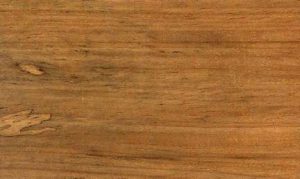
Heartwood Color
| Brown | ||||||||||||
| Green/grey | ||||||||||||
| Dark brown | ||||||||||||
| Ocassionally black and yellow streaks |
Sapwood Color
| Brown | ||||||||||||
| Well defined | ||||||||||||
| White to yellow | ||||||||||||
| Golden |
Grain
| Figure | ||||||||||||
| Straight | ||||||||||||
| Even | ||||||||||||
| Other (figure) |
| Straight | ||||||||||||
| Other figure | ||||||||||||
| Straight to roey |
Texture
| Coarse | ||||||||||||
| Medium |
Luster
| Slightly lustrous | ||||||||||||
| Luster is higher in sapwood than heartwood |
Natural Durability
| Resistant to marine borers | ||||||||||||
| Resistant to termites | ||||||||||||
| Very durable | ||||||||||||
| Sapwood is vulnerable to blue stain | ||||||||||||
| Heartwood is susceptible to wood staining fungal attack | ||||||||||||
| Heartwood has very little natural resistance |
Odor
| Has an odor | ||||||||||||
| No specific smell or taste |
Kiln Schedules
| Drying (speed) is fast |
Ease of Drying
| Fairly Easy | ||||||||||||
| Rapidly | ||||||||||||
| Little degrade | ||||||||||||
| Seasons easily with little degrade |
Tree Identification
| Bole/stem form is straight | ||||||||||||
| Bole/stem form is cylindrical |
Tree Size
| Trunk diameter is 200-250 cm |
Blunting Effect
| Severe | ||||||||||||
| Blunting effect on sawing green wood is severe | ||||||||||||
| Blunting effect on sawing dry wood is severe |
Boring
| Fairly difficult to very difficult |
Carving
| Fairly Difficult to Very Difficult |
Cutting Resistance
| Easy to saw |
Gluing
| Fair to Good Results | ||||||||||||
| Fairly Easy to Very Easy |
Mortising
| Fairly Difficult to Very Difficult |
Moulding
| Fairly Difficult to Very Difficult |
Nailing
| Fair to Good Results | ||||||||||||
| Fairly Easy to Very Easy |
Planing
| Fairly Difficult to Very Difficult | ||||||||||||
| Good planing properties | ||||||||||||
| Cutting edges dull severely |
Resistance to Impregnation
| Resistant sapwood | ||||||||||||
| Resistant heartwood | ||||||||||||
| Extremely resistant |
Response to Hand Tools
| Responds Readily | ||||||||||||
| Fairly Difficult to Difficult to Work | ||||||||||||
| Easy to Work | ||||||||||||
| Easy to machine | ||||||||||||
| Moderate working qualities |
Sanding
| Fairly Easy to Very Easy |
Painting
| Surface Preparation | ||||||||||||
| Fair to Good Results |
Polishing
| Fair to Good Results | ||||||||||||
| Good results | ||||||||||||
| Excellent results |
Varnishing
| Surface Preparation | ||||||||||||
| Fair to Good Results |
Strength Properties
| Bending strength (MOR) = very high | ||||||||||||
| Shrinkage, Tangential = fairly large | ||||||||||||
| Shrinkage, Radial = fairly large | ||||||||||||
| Max. crushing strength = very high | ||||||||||||
| Bending strength (MOR) = high | ||||||||||||
| Weight = very heavy | ||||||||||||
| Modulus of Elasticity (stiffness) = very high | ||||||||||||
| Modulus of Elasticity (stiffness) = high | ||||||||||||
| Max. crushing strength = medium | ||||||||||||
| Max. crushing strength = high | ||||||||||||
| Density = very high | ||||||||||||
| Density (dry weight) = 53-60 lbs/cu. ft. | ||||||||||||
| Density (dry weight) = 46-52 lbs/cu. ft. | ||||||||||||
| Compression strength (parallel to grain) = very high |
Numerical Data
| Item | Green | Dry | English |
| Bending Strength | 17241 | 25463 | psi |
| Density | 54 | lbs/ft3 | |
| Hardness | 2646 | lbs | |
| Maximum Crushing Strength | 6950 | 11690 | psi |
| Stiffness | 2373 | 2834 | 1000 psi |
| Toughness | 255 | inch-lbs | |
| Specific Gravity | 0.65 | ||
| Weight | 53 | 40 | lbs/ft3 |
| Radial Shrinkage | 5 | % | |
| Tangential Shrinkage | 9 | % | |
| Volumetric Shrinkage | 14 | % | |
| Item | Green | Dry | Metric |
| Bending Strength | 1212 | 1790 | kg/cm2 |
| Density | 865 | kg/m3 | |
| Hardness | 1200 | kg | |
| Maximum Crushing Strength | 488 | 821 | kg/cm2 |
| Stiffness | 166 | 199 | 1000 kg/cm2 |
| Toughness | 293 | cm-kg | |
| Specific Gravity | 0.65 | ||
| Weight | 849 | 641 | kg/m3 |
| Radial Shrinkage | 5 | % | |
| Tangential Shrinkage | 9 | % |
References
Chudnoff, M.,1984,Tropical Timbers of the World,U.S.A. Department of Agriculture, Forest Service, Forest Products,Laboratory, Madison.
Record, S.J., Hess, R.W.,1940,American Woods of the Family Moraceae,Tropical Woods,8(61,pp11-54
Takahashi, A.,1975,Compilation of data on the Mechanical Properties of Foreign Woods (Part 2,Central and South America,Shimane University, Japan, Research Report on Foreign Wood No.4
WCMC. 1992. Conservation Status Listing: Trees and Timbers of the World. World Conservation Monitoring Center (WCMC, Plants Program, 219 Huntingdon Road, Cambridge, CB3 ODL, United Kingdom.