Scientific Name
Guarea thompsonii
Trade Name
Guarea
Family Name
Meliaceae
Common Names
Akpaku, Avellano, Black guarea, Bo-in-dah, Bolon, Bosse, Busi, Cedar mahogany, Cedron, Close grained mahogany, Dark bosse, Diambi, Dikunze, Guano blanco, Guarea, Guarea bosse, Hapopeya, Kaffi, Koguibe, Kwabohoro, Lombe, Mietandabo, Mutigbanaga, Mutigbanaye, Nigerian cedar, Nigerian pearwood, Nuguata, Obabonekwi, Obobo, Obobo nekwi, Obobo-nekwi, Obobonekwi, Oboborukin, Ofe, Scented mahogany, Sidu, Sweet cedar, Teninini, Timbi, Tshidiamakeka, Ugbokpo
Regions of Distribution
Africa
Countries of Distribution [VIEW MAP]
Cameroon, Congo, Gabon, Ghana, Ivory Coast, Kenya, Liberia, Niger, Nigeria, Zaire
Common Uses
Boat building (general), Boat building, Boxes and crates, Cabinetmaking, Canoes, Carvings, Chairs, Chests, Concealed parts (Furniture), Core Stock, Decorative plywood, Decorative veneer, Desks, Dining-room furniture, Dowell pins, Dowells, Drawer sides, Excelsior, Figured veneer, Fine furniture, Floor lamps, Flooring, Furniture , Furniture components, Furniture squares or stock, Furniture, Hatracks, Heavy construction, Joinery, Kitchen cabinets, Lifeboats, Light construction, Living-room suites, Millwork, Mine timbers, Office furniture, Paneling, Plain veneer, Plywood, Poles, Posts, Radio – stereo – TV cabinets, Rustic furniture, Shipbuilding, Stools, Structural plywood, Tables , Turnery, Utility furniture, Utility plywood, Vehicle parts, Veneer, Veneer: decorative, Wardrobes
Environmental Profile
| Status unsure as a result of insufficient information | ||||||||||||
| Status unknown in many of its growth areas | ||||||||||||
| Generally widespread, secure, and abundant within most of its range | ||||||||||||
| Extinct, Endangered, Vulnerable, or Rare in some parts of its natural range | ||||||||||||
| Data source is World Conservation Monitoring Center |
Endangered in Liberia and Vulnerable in Cameroon and Ivory Coast. Its environmental status in the wild is listed as unknown in Gabon, Ghana, Nigeria, and Zaire because of inadequate information
Distribution Overview
This species is found in Cameroon, Congo, C�te d’Ivoire, Gabon, Ghana, Liberia, Nigeria and Zaire. It is a shade tolerant species found in moist and evergreen forest hillsides.
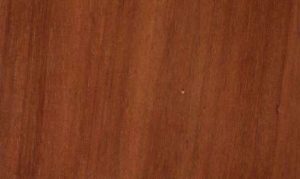
Heartwood Color
| Brown | ||||||||||||
| Red | ||||||||||||
| Yellow | ||||||||||||
| Purple | ||||||||||||
| Black | ||||||||||||
| Pink | ||||||||||||
| Orange | ||||||||||||
| Pale red to pink | ||||||||||||
| Reddish brown | ||||||||||||
| Pale brown | ||||||||||||
| Yellow to golden-yellow to orange | ||||||||||||
| Darkens with age | ||||||||||||
| Brown |
Sapwood Color
| White | ||||||||||||
| Yellow | ||||||||||||
| Brown | ||||||||||||
| Red | ||||||||||||
| Green/Grey | ||||||||||||
| Well defined | ||||||||||||
| Pinkish | ||||||||||||
| Paler than heartwood | ||||||||||||
| White to yellow |
Grain
| Straight | ||||||||||||
| Figure | ||||||||||||
| Wavy | ||||||||||||
| Distinct (figure) | ||||||||||||
| Interlocked | ||||||||||||
| Closed | ||||||||||||
| Even | ||||||||||||
| Growth rings (figure) | ||||||||||||
| Mottled (figure) |
| Straight | ||||||||||||
| Wavy | ||||||||||||
| Distinct figure | ||||||||||||
| Interlocked | ||||||||||||
| Figure shows mottle | ||||||||||||
| Clear growth rings (figure) |
Texture
| Fine | ||||||||||||
| Medium | ||||||||||||
| Even or uniform | ||||||||||||
| Uniform | ||||||||||||
| Very fine | ||||||||||||
| Coarse | ||||||||||||
| Fine | ||||||||||||
| Fine to medium | ||||||||||||
| Very fine | ||||||||||||
| Medium |
Luster
| Medium | ||||||||||||
| High | ||||||||||||
| Lustrous | ||||||||||||
| Pronounced | ||||||||||||
| Dull |
Natural Growth Defects
| Gum/resin exudation |
Board surfaces are sometimes sticky due to gum exudation at high temperatures
Natural Durability
| Susceptible to insect attack | ||||||||||||
| Resistant to termites | ||||||||||||
| Durable | ||||||||||||
| Resistant to powder post beetles | ||||||||||||
| Moderately durable | ||||||||||||
| Non-resistant to termites | ||||||||||||
| Non-resistant to powder post beetles | ||||||||||||
| Susceptible to attack from powder post (Lyctid & Bostrychid) beetles | ||||||||||||
| Moderately resistant to termite (Isoptera) attack | ||||||||||||
| Durable | ||||||||||||
| Moderately durable | ||||||||||||
| Resistant to attack from powder post (Lyctid & Bostrychid) beetles | ||||||||||||
| Resistant to attack from termites (Isoptera) | ||||||||||||
| Pinworms (ambrosia beetles) are commonly present | ||||||||||||
| Very durable | ||||||||||||
| Susceptible to attack from termites (Isoptera) | ||||||||||||
| Non durable | ||||||||||||
| Heartwood moderately resistant to termite attack |
Odor
| Has an odor | ||||||||||||
| No specific smell or taste |
Light-Induced Color Change
| Darker |
Toxicity
| Respiratory effects | ||||||||||||
| Unspecified toxicity | ||||||||||||
| Dermatitic effects |
Kiln Schedules
| Drying (speed) is fast | ||||||||||||
| UK=E US=T6D2/T3D1 Fr=5 | ||||||||||||
| UK=F US=T6D4/T3D3 Fr=6 | ||||||||||||
| T6 – D2 (4/4); T3 – D1 (8/4) US |
Drying Defects
| Splitting | ||||||||||||
| Resin Exudation | ||||||||||||
| Distortion | ||||||||||||
| Slight surface checking | ||||||||||||
| No twisting or warping | ||||||||||||
| Slight twist/warp | ||||||||||||
| Moderate end spitting | ||||||||||||
| Slight end splitting | ||||||||||||
| No end splitting | ||||||||||||
| Moderate surface checking | ||||||||||||
| Expect resin/gum exudation |
Requires care since the material is liable to split and check during kiln drying.
Ease of Drying
| Fairly Easy | ||||||||||||
| Slowly | ||||||||||||
| Reconditioning Treatement | ||||||||||||
| Gum Exudation | ||||||||||||
| Easy | ||||||||||||
| Variable results. | ||||||||||||
| Requires care | ||||||||||||
| Moderate | ||||||||||||
| Difficult |
The timber air-seasons easily, however some care is needed during kiln-drying in order to minimize defects.
Kiln Drying Rate
| Naturally dries slowly |
Tree Identification
| Bole/stem form is buttressed | ||||||||||||
| Bole/stem form is straight | ||||||||||||
| Bole/stem form is cylindrical | ||||||||||||
| Bole/stem form is not buttressed |
Tree Size
| Bole length is 10-20 m | ||||||||||||
| Trunk diameter is 100-150 cm | ||||||||||||
| Tree height is 30-40 m | ||||||||||||
| Trunk diameter is 150-200 cm | ||||||||||||
| Sapwood width is 5-10 cm | ||||||||||||
| Bole length is 0-10 m | ||||||||||||
| Bole length is 20-30 m | ||||||||||||
| Trunk diameter is 200-250 cm | ||||||||||||
| Sapwood width is 0-5 cm |
Boles are often straight, long and well-formed.
Product Sources
The ITTO reports that the species is an important and regular source of timber for export.
Certified Source
| Certified Source |
Comments
General finishing qualities are rated as good
Narrow stock is apt to split in nailing.
Splitting
Blunting Effect
| Moderate | ||||||||||||
| Little | ||||||||||||
| High to severe | ||||||||||||
| Blunting effect on machining is slight | ||||||||||||
| Cuting edges are dulled moderately | ||||||||||||
| Blunting effect on sawing dry wood is mild | ||||||||||||
| Blunting effect on machining is moderate |
Boring
| Fair to good results | ||||||||||||
| Fairly easy to very easy |
Carving
| Fair to Good Results | ||||||||||||
| Fairly Easy to Very Easy | ||||||||||||
| Very good results |
Cutting Resistance
| Easy to saw | ||||||||||||
| Cutting Resistance with dry wood is easy | ||||||||||||
| Low cutting resistance | ||||||||||||
| Cutting Resistance with dry wood is difficult |
Gluing
| Fairly Easy to Very Easy | ||||||||||||
| Fairly Difficult to Very Difficult | ||||||||||||
| Poor to Very Poor Results | ||||||||||||
| Easy to glue | ||||||||||||
| Fair gluing properties |
Mortising
| Fairly Easy to Very Easy | ||||||||||||
| Fair to Good Results |
Moulding
| Fairly Easy to Very Easy | ||||||||||||
| Fair to Good Results | ||||||||||||
| Fairly Difficult to Very Difficult |
Movement in Service
| Excellent Stability – Small Movement | ||||||||||||
| Fair to Good Stability – Medium Movement | ||||||||||||
| Small | ||||||||||||
| Stable |
The timber is dimensionally stable after seasoning.
Nailing
| Pre-Boring Recommended | ||||||||||||
| Fairly Difficult to Very Difficult | ||||||||||||
| Fairly Easy to Very Easy | ||||||||||||
| Very Good to Excellent Results | ||||||||||||
| Fair to Good Results | ||||||||||||
| Easy to nail | ||||||||||||
| Good nailing qualities | ||||||||||||
| Difficult to nail |
Narrow stock may split.
Planing
| Fairly Easy to Very Easy | ||||||||||||
| Fair to Good Results | ||||||||||||
| Very Good to Excellent Results | ||||||||||||
| Fairly Difficult to Very Difficult | ||||||||||||
| Easy to plane | ||||||||||||
| Yields clean surfaces | ||||||||||||
| Responds very well to both hand and machine tools |
Material planes, turns, moulds, mortises, and bores to produce relatively smooth surfaces, except in quartersawn stock with interlocked grain which may cause the grain to pick-up
Resistance to Impregnation
| Resistant heartwood | ||||||||||||
| Resistant sapwood | ||||||||||||
| Permeable sapwood | ||||||||||||
| Heartwood is extremely resistant | ||||||||||||
| Sapwood is permeable | ||||||||||||
| Heartwood is impermeable |
Response to Hand Tools
| Easy to Work | ||||||||||||
| Responds Readily | ||||||||||||
| Easy to machine | ||||||||||||
| Difficult to machine | ||||||||||||
| Good response to hand tools |
There may be some pick up in material with interlocked grain.
Routing & Recessing
| Fair to Good Results | ||||||||||||
| Fairly Easy to Very Easy |
Sanding
| Fairly Easy to Very Easy | ||||||||||||
| Fair to Good Results | ||||||||||||
| Very Good to Excellent Results | ||||||||||||
| Good sanding qualities |
Screwing
| Pre-boring recommended | ||||||||||||
| Very Good to Excellent Results | ||||||||||||
| Fairly Difficult to Very Difficult | ||||||||||||
| Fair to Good Results | ||||||||||||
| Easy to screw |
Turning
| Fairly Easy to Very Easy | ||||||||||||
| Fair to Good Results |
Veneering Qualities
| Veneers easily | ||||||||||||
| Suitable for peeling | ||||||||||||
| Suitable for slicing | ||||||||||||
| Easy to cut | ||||||||||||
| No drying degrade. Dries flat without splitting |
Steam Bending
| Moderate | ||||||||||||
| Satisfactory |
Painting
| Good results |
Polishing
| Fair to Good Results | ||||||||||||
| Very Good to Excellent Results | ||||||||||||
| Fairly Easy to Very Easy | ||||||||||||
| Good results |
Staining
| Fairly Easy to Very Easy | ||||||||||||
| Fair to Good Results | ||||||||||||
| Very Good to Excellent Results | ||||||||||||
| Finish is generally good | ||||||||||||
| Stains well |
Varnishing
| Fair to Good Results | ||||||||||||
| Fairly Easy to Very Easy | ||||||||||||
| Good results |
Strength Properties
| Max. crushing strength = high | ||||||||||||
| Bending strength (MOR) = medium | ||||||||||||
| Bending strength (MOR) = high | ||||||||||||
| Hardness (side grain) = soft | ||||||||||||
| Modulus of Elasticity (stiffness) = low | ||||||||||||
| Modulus of Elasticity (stiffness) = medium | ||||||||||||
| Density (dry weight) = 38-45 lbs/cu. ft. | ||||||||||||
| Shrinkage, Tangential = small | ||||||||||||
| Shrinkage, Volumetric = moderate | ||||||||||||
| Shrinkage, Tangential = moderate | ||||||||||||
| Shrinkage, Radial = very small | ||||||||||||
| Shrinkage, Radial = small | ||||||||||||
| Max. crushing strength = medium | ||||||||||||
| Shrinkage, Radial = fairly large | ||||||||||||
| Shearing strength (parallel to grain) = medium | ||||||||||||
| Shearing strength (parallel to grain) = low | ||||||||||||
| Toughness-Hammer drop (Impact Strength) = low | ||||||||||||
| Hardness (side grain) = medium | ||||||||||||
| Density (dry weight) = 31-37 lbs/cu. ft. | ||||||||||||
| Shrinkage, Volumetric = small | ||||||||||||
| Shrinkage, Tangential = very small | ||||||||||||
| Toughness (total work) = very low | ||||||||||||
| Toughness (total work) = low | ||||||||||||
| Shrinkage, Radial = moderate | ||||||||||||
| Modulus of Elasticity (stiffness) = very low | ||||||||||||
| Max. crushing strength = low | ||||||||||||
| Density (dry weight) = 46-52 lbs/cu. ft. | ||||||||||||
| Bending strength (MOR) = very high | ||||||||||||
| Bending strength (MOR) = low |
Numerical Data
| Item | Green | Dry | English |
| Bending Strength | 11926 | 16327 | psi |
| Density | 39 | lbs/ft3 | |
| Hardness | 1130 | lbs | |
| Impact Strength | 29 | 27 | inches |
| Maximum Crushing Strength | 6249 | 8930 | psi |
| Shearing Strength | 1940 | psi | |
| Stiffness | 1552 | 1712 | 1000 psi |
| Toughness | 130 | inch-lbs | |
| Work to Maximum Load | 7 | 12 | inch-lbs/in3 |
| Specific Gravity | 0.38 | 0.54 | |
| Weight | 40 | 38 | lbs/ft3 |
| Radial Shrinkage | 3 | % | |
| Tangential Shrinkage | 6 | % | |
| Volumetric Shrinkage | 10 | % | |
| Item | Green | Dry | Metric |
| Bending Strength | 838 | 1147 | kg/cm2 |
| Density | 624 | kg/m3 | |
| Hardness | 512 | kg | |
| Impact Strength | 73 | 68 | cm |
| Maximum Crushing Strength | 439 | 627 | kg/cm2 |
| Shearing Strength | 136 | kg/cm2 | |
| Stiffness | 109 | 120 | 1000 kg/cm2 |
| Toughness | 149 | cm-kg | |
| Work to Maximum Load | 0.49 | 0.84 | cm-kg/cm3 |
| Specific Gravity | 0.38 | 0.54 | |
| Weight | 641 | 608 | kg/m3 |
| Radial Shrinkage | 3 | % | |
| Tangential Shrinkage | 6 | % |
References
Banks, C.H., Schoeman, J.P., Otto, K.P.,1977,The Mechanical Properties of Timbers with particular reference to South,Africa,South African Forestry Research Institute Bulletin,(Ed.,Schoeman, J.P. 1973 & Otto K.P. 1976,No.48
Banks, C.H.,1954,The Mechanical Properties of Timbers with Particular Reference to those,grown in the Union of South Africa,Journal of the South African Forestry Association,No. 24 pp.44-65,[South,African Forestry Journal]
Bois et Forets des Tropiques,1978,Bosse (Guarea cedrata, Guarea laurentii and Guarea thompsonii,Bois et Forets des Tropiques,No.177,pp35-49
Bolza, E., Keating, W.G.,1972,African Timbers – the Properties, Uses and Characteristics of 700 Species,C.S.I.R.O. Div. of Building Research
Chudnoff, M.,1984,Tropical Timbers of the World,U.S.A. Department of Agriculture, Forest Service, Forest Products,Laboratory, Madison.
Cooper, G.P., Record, S.J.,1931,The Evergreen Forests of Liberia,Yale School Forestry Bulletin,31,pp1-153
Cox, H.A.,1939,A Handbook of Empire Timbers,Forest Products Research Laboratory, Princes Risborough
Desch, H.E.,1948,The Cedars,Wood 13(2) pp40-3
Erfurth, T., Rusche, H.,1976,The Marketing of Tropical Wood A. Wood Species from African Moist Forests,F.A.O. Forestry Department
Farmer, R.H.,1972,Handbook of Hardwoods,HMSO
Forest Products Research Laboratory, U.K.,1945,A Handbook of Empire Timbers,Department of Scientific and Industrial Research Forest Products Research
Forests Products Research Laboratory, U.K.,1956,A Handbook of Hardwoods,Forest Products Research Laboratory, Princes Risborough, Department of,Science and Industrial Research, Building Research Establishment
Fouarge, J.,1950,Appropriation de Bois Congolais aux Besoins de la Metropole,I.N.E.A.C. Belgium Serie Technique,No.38
Fouarge, J.,1953,Bois du Congo,I.N.E.A.C.
France – C.T.F.T./C.T.B.,1982,Guide pour le Choix des Essences Deroulables-pour la fabrication du,contreplaque,C.T.F.T./C.T.B. France
France – Comite Nacional des Bois Coloniaux,1931,Etude Physique et Mecanique des Bois Coloniaux,Assoc. Colonies-Sciences & Comite National des Bios Coloniaux, Paris,,France
HMSO. 1972. Handbook of Hardwoods. 2nd Edition. Revised by R.H. Farmer. Department of the Environment, Building Research Establishment, Princes Risborough Laboratory, Princes Risborough, Aylesbury, Buckinghamshire.
Hughes, J.F.,1971,The Principal Timber Trees of Cameroon,Unpublished data
I.U.F.R.O.,1973,Veneer Species of the World,Assembled at F.P.L. Madison on behalf of I.U.F.R.O. Working Party on,Slicing and Veneer Cutting
Irvine, F.R.,1961,Woody Plants of Ghana,O.U.P. London
ITTO. 1986. Tropical Timber Atlas, Volume 1 – Africa. International Tropical Timber Organization (ITTO) and Centre Technique Forestier Tropical (CTFT, 45bis, Avenue de la Belle Gabrielle, Nogent-sur-Marne Cedex, France.
Jay, B.A.,1968,Timbers of West Africa,TRADA, Red Booklet Series
Keay, R.W.J.,1964,Nigerian Trees Vol.2,Nigeria Federal Department of Forest Research, Ibadan
Kinloch, D., Miller, W.A.,1949,Gold Coast Timbers,Govt. Printer Gold Coast
Kryn, J.M., Forbes, E.W.,1959,The Woods of Liberia,U.S.A. Department of Agriculture,Forest Products Laboratory, Madison,,Report No. 2159
Kukachka, B.F.,1970,Properties of Imported Tropical Woods,Forest Research Paper FPL 125
Lavers, G. M. 1966. The Strength Properties of Timbers. Forest Products Research Bulletin, No. 50. Ministry of Technology, Her Majesty’s Stationery Office, London.
Lavers, G.M.,1983,The Strength Properties of Timber (3rd ed. revised Moore G.L.,Forest Products Research Laboratory, Princes Risborough, Building Research,Establishment Report (formerly Bulletin No.50)
Lebacq, L., Dechamps, R.,1967,Contribution a un Inventaire de Forets du Nord-kasai,Musee Royal de L’Afrique Centrale Belgium Annals Series 8 No.5
Lincoln, W.A. 1986. World Woods in Color. Linden Publishing Co. Inc., Fresno, California.
Pieters, A.,1977,Essences Forestieres du Zaire,R.U.G. Gent Belguim
Rendle, B.J.,1938,Commercial Mahoganies and Allied Timbers,Forest Products Research Laboratory, London Bulletin,No 18
Rendle, B.J.,1969,World Timbers (3 Vols.,Ernest Benn Ltd. London
Sallenave, P.,1955,Proprietes Phyiques et Mecaniques des Bois Tropicaux de l’Union Francaise,C.T.F.T
Spalt, H.A., Stern, W.L.,1956,Survey of African woods 1,Tropical Woods,115(105,pp 13-38
Spalt, H.A., Stern, W.L.,1957,Survey of Africa Woods 3,Tropical Woods 16(107) pp92-128
Takahashi, A.,1978,Compilation of Data on the Mechanical Properties of Foreign Woods (Part,III) Africa,Shimane University, Japan, Research Report on Foreign Wood No. 7
Timber Development Association Ltd.,1955,World Timbers (3 Vols.,Timber Development Association Ltd.
Titmuss, F.H.,1965,Commercial Timbers of the World,Technical Press Ltd., London, 3rd edition
Unwin, A.H.,1920,West African Forests and Forestry,T. Fisher Unwin Ltd. London
Whitmore, T.C.,1973,Tree Flora of Malaya A Manual for Foresters Volume 2,Forest Department Ministry of Primary Industries Malaysia
Wood, B., Calnan, D.,1976,Toxic Woods,British Journal of Dermat 94 Suppl. 13