Scientific Name
Fraxinus pennsylvanica
Trade Name
Green ash
Family Name
Oleaceae
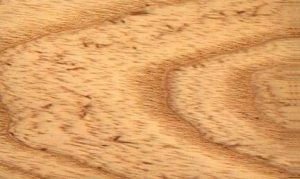
Common Names
American ash, Ash, Blue ash, Darlington ash, Fresno, Green ash, Pumpkin ash, Red ash, Swamp ash, Water ash, Water ash profunda, White ash
Regions of Distribution
North America
Countries of Distribution [VIEW MAP]
Canada, United States
Common Uses
Agricultural implements, Baseball bats, Baskets, Bedroom suites, Beehives, Bent Parts, Boat building (general), Boat building: framing, Boxes and crates, Building materials, Cabinetmaking, Chairs, Cooperages, Decorative plywood, Decorative veneer, Dining-room furniture, Drawer sides, Excelsior, Figured veneer, Fine furniture, Food containers, Fuelwood, Furniture , Furniture, Handles, Handles: general, Hockey sticks, Interior construction, Joinery, Kitchen cabinets, Living-room suites, Oars, Office furniture, Paddles, Paneling , Plywood, Radio – stereo – TV cabinets, Railroad cars, Railroad ties, Shafts/Handles, Skis, Sporting Goods, Tables, Tool handles, Toys, Utility furniture, Vehicle parts, Veneer, Wainscotting
Environmental Profile
| Widespread | ||||||||||||
| May be rare in some parts of its range | ||||||||||||
| Globally secure | ||||||||||||
| Data source is Nature Conservancy | ||||||||||||
| Abundant |
Distribution Overview
| Green ash is the most widely distributed of all the American ashes. Its range extends from Cape Breton Island and Nova Scotia to southeastern Alberta and Montana, and southward to central Texas and northern Florida |
Heartwood Color
| Brown | ||||||||||||
| Yellow | ||||||||||||
| Orange | ||||||||||||
| Brown | ||||||||||||
| Greenish to greyish | ||||||||||||
| Yellowish brown | ||||||||||||
| Yellow to golden-yellow to orange | ||||||||||||
| Light brown | ||||||||||||
| Dark brown |
Very similar to white ash
Sapwood Color
| White | ||||||||||||
| Yellow | ||||||||||||
| White to yellow | ||||||||||||
| Well defined | ||||||||||||
| Paler than heartwood |
Grain
| Straight | ||||||||||||
| Figure | ||||||||||||
| Even | ||||||||||||
| Growth rings (figure) |
| Straight | ||||||||||||
| Clear growth rings (figure) |
Texture
| Medium | ||||||||||||
| Coarse |
Luster
| Somewhat lustrous | ||||||||||||
| Lustrous |
Natural Durability
| Non-durable | ||||||||||||
| Susceptible to insect attack | ||||||||||||
| Non-resistant to powder post beetles | ||||||||||||
| Perishable | ||||||||||||
| Non-resistant to marine borers | ||||||||||||
| Moderately durable | ||||||||||||
| Susceptible to attack from powder post (Lyctid & Bostrychid) beetles | ||||||||||||
| Non durable |
Heartwood resistance to attack by decay fungi and other wood destroying organisms is very low or negligible.
Odor
| No specific smell or taste |
Kiln Schedules
| T8 – B4 (4/4); T5 – B3 (8/4) US | ||||||||||||
| Drying (speed) is fast |
Drying Defects
| Checking | ||||||||||||
| Distortion | ||||||||||||
| Existing shakes may open up | ||||||||||||
| End splitting | ||||||||||||
| Distortion (twist/warp) is likely |
Slow drying of timber produced from trees from wet sites may cause gray-brown sapwood stains (sticker marks, stains), and surface checks (in 6/4 and thicker stock)
Ease of Drying
| Fairly Easy | ||||||||||||
| Easy | ||||||||||||
| Dries rapidly with little degrade |
Kiln Drying Rate
| Rapid | ||||||||||||
| Drying rate is fairly rapid to fast |
Tree Size
| Bole length is 10-20 m | ||||||||||||
| Sapwood width is 5-10 cm | ||||||||||||
| Bole length is 20-30 m | ||||||||||||
| Tree height is 10-20 m | ||||||||||||
| Tree height is 20-30 m | ||||||||||||
| Tree height is 30-40 m |
Product Sources
Green ash has very similar properties to White ash, and lumber and veneer produced from the two species are often mixed together and maketed without distinction.
Blunting Effect
| Cuting edges are dulled moderately |
Boring
| Fairly easy to very easy | ||||||||||||
| Very good results |
Cutting Resistance
| Easy to saw |
Gluing
| Fair gluing properties | ||||||||||||
| Easy to glue |
Mortising
| Responds readily to mortising |
Movement in Service
| Stable | ||||||||||||
| Small |
The timber is dimensionally stable after seasoning, with only small movement in use
Nailing
| Fairly Difficult to Very Difficult | ||||||||||||
| Very Good to Excellent Results | ||||||||||||
| Fair to Good Results | ||||||||||||
| Pre-boring recommended | ||||||||||||
| Holds nails well |
Planing
| Difficult to plane |
Resistance to Impregnation
| Permeable sapwood | ||||||||||||
| Resistant heartwood | ||||||||||||
| Resistant sapwood | ||||||||||||
| Good response to preservative treatment |
Response to Hand Tools
| Easy to Work | ||||||||||||
| Easy to machine | ||||||||||||
| Good response to hand tools |
Sanding
| Sanding is fairly difficult |
Screwing
| Screwing yields good results | ||||||||||||
| Possible if prebored |
Turning
| Fairly Easy to Very Easy | ||||||||||||
| Very Good to Excellent Results | ||||||||||||
| Fair to Good Results | ||||||||||||
| Difficult to turn |
Veneering Qualities
| There is slight to moderate drying degrade and the potential for buckles and splits | ||||||||||||
| Moderately easy to veneer |
Steam Bending
| Very good | ||||||||||||
| Satisfactory |
Painting
| Satisfactory results |
Polishing
| Very good |
Staining
| Stains well |
Varnishing
| Good results |
Strength Properties
| Shearing strength (parallel to grain) = medium | ||||||||||||
| Max. crushing strength = medium | ||||||||||||
| Bending strength (MOR) = medium | ||||||||||||
| Hardness (side grain) = soft | ||||||||||||
| Density (dry weight) = 38-45 lbs/cu. ft. | ||||||||||||
| Modulus of Elasticity (stiffness) = low | ||||||||||||
| Toughness-Hammer drop (Impact Strength) = medium | ||||||||||||
| Shearing strength (parallel to grain) = low | ||||||||||||
| Toughness-Hammer drop (Impact Strength) = low | ||||||||||||
| Shrinkage, Tangential = moderate | ||||||||||||
| Shrinkage, Radial = moderate | ||||||||||||
| Shearing strength (parallel to grain) = very low | ||||||||||||
| Max. crushing strength = low | ||||||||||||
| Max. crushing strength (stiffness) = very low | ||||||||||||
| Density (dry weight) = 53-60 lbs/cu. ft | ||||||||||||
| Density (dry weight) = 31-37 lbs/cu. ft. | ||||||||||||
| Bending strength (MOR) = low |
Numerical Data
| Item | Green | Dry | English |
| Bending Strength | 8117 | 12643 | psi |
| Crushing Strength | 622 | 1196 | psi |
| Density | 41 | lbs/ft3 | |
| Hardness | 995 | lbs | |
| Impact Strength | 36 | 34 | inches |
| Maximum Crushing Strength | 3438 | 5928 | psi |
| Shearing Strength | 1931 | psi | |
| Static Bending | 2156 | 3822 | psi |
| Stiffness | 1225 | 1407 | 1000 psi |
| Work to Maximum Load | 10 | 11 | inch-lbs/in3 |
| Specific Gravity | 0.46 | 0.5 | |
| Weight | 39 | 37 | lbs/ft3 |
| Radial Shrinkage | 3 | % | |
| Tangential Shrinkage | 6 | % | |
| Volumetric Shrinkage | 11 | % | |
| Item | Green | Dry | Metric |
| Bending Strength | 570 | 888 | kg/cm2 |
| Crushing Strength | 43 | 84 | kg/cm2 |
| Density | 657 | kg/m3 | |
| Hardness | 451 | kg | |
| Impact Strength | 91 | 86 | cm |
| Maximum Crushing Strength | 241 | 416 | kg/cm2 |
| Shearing Strength | 135 | kg/cm2 | |
| Static Bending | 151 | 268 | kg/cm2 |
| Stiffness | 86 | 98 | 1000 kg/cm2 |
| Work to Maximum Load | 0.70 | 0.77 | cm-kg/cm3 |
| Specific Gravity | 0.46 | 0.5 | |
| Weight | 624 | 592 | kg/m3 |
| Radial Shrinkage | 3 | % | |
| Tangential Shrinkage | 6 | % |
References
Banks, C.H., Schoeman, J.P., Otto, K.P.,1977,The Mechanical Properties of Timbers with particular reference to South,Africa,South African Forestry Research Institute Bulletin,(Ed.,Schoeman, J.P. 1973 & Otto K.P. 1976,No.48
Betts, H.S.,1945,American Woods – Ash,USDA, Forest Service American Woods
Boone, R.S., C.J. Kozlik, P.J. Bois, E.M. Wengert. 1988. Dry Kiln Schedules for Commercial Hardwoods – Temperate and Tropical. USDA, Forest Service, General Technical Report FPL-GTR-57, Forest Products Laboratory, Madison, Wisconsin.
Brown, H.P. and Panshin, A.J.,1940,Commercial Timbers of the United States Their structure, identification,,properties and uses,McGraw-Hill, London
Brown, W.H.,1978,Timbers of the World: – No.7 North America,TRADA
California Department of Forestry. Comparative Physical & Mechanical Properties of Western & Eastern Hardwoods. Prepared by Forest Products Laboratory, University of California at Berkeley, Berkeley, California. n/d.
Clifford, N.,1957,Timber Identification for the Builder and Architect,Leonard Hill (Books) LTD. London
HMSO, 1981. Handbook of Hardwoods, 2nd Edition. Revised by R.H. Farmer. Department of the Environment, Building Research Establishment, Princes Risborough Laboratory, Princes Risborough, Aylesbury, Buckinghamshire
I.U.F.R.O.,1973,Veneer Species of the World,Assembled at F.P.L. Madison on behalf of I.U.F.R.O. Working Party on,Slicing and Veneer Cutting
Kaiser, Jo-ann. Wood of the Month. Ash – A Big Leaguer’s Choice. Wood and Wood Products, September, 1987. Page 40.
Kaiser, Jo-Ann. Wood of the Month. Wood & Wood Products, July 1986 to September 1993.
Kloot, N.H., Bolza, E.,1961,Properties of Timbers Imported into Australia,C.S.I.R.O. Forest Products Division Technological Paper,No.12
Little, E.L. 1980. The Audubon Society Field Guide to North American Trees – Eastern Region. Published by Arthur A. Knopf, New York.
Markwardt, L.J., Wilson, T.R.C.,1935,Strength and related properties of woods grown in the United States,U.S.A. Department of Agriculture Technical Bulletin,No.479
Panshin, A.J. and C. deZeeuw. Textbook of Wood Technology. McGraw-Hill Series in Forest Resources. McGraw-Hill Book Company, New York.
U.S.D.A. Forest Service,1974,Wood Handbook,U.S.A. Department of Agriculture, Forest Service Handbook,72
USDA. 1987. Wood Handbook:Wood as an Engineering Material. Agriculture Handbook No. 72. United States Department of Agriculture, Forest Service, Madison, Wisconsin.
USDA. 1988. Dry Kiln Operators Manual, Preliminary Copy. Forest Service, Forest Products Laboratory, Madison, Wisconsin.