Scientific Name
Eucalyptus corymbosa
Trade Name
Angelin
Family Name
Myrtaceae
Synonyms
Eucalyptus gummifera
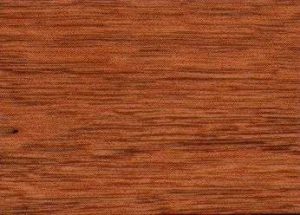
Common Names
Angelin, Bloodwood, Cabbage angelin, Gummifera gum, Koraro, Pale bloodwood, Red bloodwood
Regions of Distribution
Oceania and S.E. Asia
Countries of Distribution [VIEW MAP]
Australia
Common Uses
Agricultural implements, Boat building (general), Bridge construction, Cabinetmaking, Flooring, Fuelwood, Furniture, Heavy construction, Joinery, Light construction, Mine timbers, Paneling, Particleboard, Piling, Poles, Posts, Railroad ties
Heartwood Color
| Brown | ||||||||||||
| Red | ||||||||||||
| Dark brown | ||||||||||||
| Red | ||||||||||||
| Pale red to pink |
Sapwood Color
| Well defined | ||||||||||||
| Paler than heartwood |
Grain
| Interlocked | ||||||||||||
| Figure | ||||||||||||
| Stripe (figure) | ||||||||||||
| Weak (figure) |
Texture
| Coarse | ||||||||||||
| Medium to coarse |
Natural Growth Defects
| Gum/resin streaks |
Natural Durability
| Very durable | ||||||||||||
| Resistant to attack from termites (Isoptera) | ||||||||||||
| Very durable | ||||||||||||
| Susceptible to attack from powder post (Lyctid & Bostrychid) beetles | ||||||||||||
| Durable | ||||||||||||
| Susceptible to marine borer attack |
Drying Defects
| No twisting or warping | ||||||||||||
| No end splitting should be expected |
Ease of Drying
| Slowly | ||||||||||||
| Reconditioning Treatement |
Tree Identification
| Bole/stem form is straight | ||||||||||||
| Bole/stem form is misshapen |
Tree Size
| Tree height is 20-30 m |
Blunting Effect
| High to severe |
Boring
| Fairly difficult to very difficult |
Carving
| Fairly Difficult to Very Difficult |
Cutting Resistance
| Fairly Difficult to Very Difficult to saw |
Mortising
| Fairly Difficult to Very Difficult |
Moulding
| Fairly Difficult to Very Difficult |
Planing
| Fairly Difficult to Very Difficult |
Response to Hand Tools
| Fairly Difficult to Difficult to Work | ||||||||||||
| Moderate working qualities |
Routing & Recessing
| Fairly Difficult to Very Difficult |
Turning
| Fairly Difficult to Very Difficult |
Strength Properties
| Density (dry weight) = 53-60 lbs/cu. ft | ||||||||||||
| Density (dry weight) = 61-67 lbs/cu.ft | ||||||||||||
| Density (dry weight) = 46-52 lbs/cu. ft. | ||||||||||||
| Bending strength (MOR) = medium | ||||||||||||
| Shrinkage, Tangential = small | ||||||||||||
| Shrinkage, Radial = very small | ||||||||||||
| Shrinkage, Radial = small | ||||||||||||
| Shearing strength (parallel to grain) = medium | ||||||||||||
| Modulus of Elasticity (stiffness) = medium | ||||||||||||
| Max. crushing strength = high | ||||||||||||
| Shrinkage, Tangential = very small | ||||||||||||
| Shrinkage, Tangential = moderate | ||||||||||||
| Density (dry weight) = 38-45 lbs/cu. ft. | ||||||||||||
| Shrinkage, Tangential = fairly large | ||||||||||||
| Shrinkage, Radial = moderate | ||||||||||||
| Shearing strength (parallel to grain) = low | ||||||||||||
| Modulus of Elasticity (stiffness) = low | ||||||||||||
| Max. crushing strength = medium | ||||||||||||
| Max. crushing strength (stiffness) = very low | ||||||||||||
| Hardness (side grain) = soft | ||||||||||||
| Bending strength (MOR) = high |
Numerical Data
| Item | Green | Dry | English |
| Bending Strength | 10164 | 15844 | psi |
| Density | 53 | lbs/ft3 | |
| Hardness | 995 | lbs | |
| Maximum Crushing Strength | 5068 | 7533 | psi |
| Shearing Strength | 2043 | psi | |
| Stiffness | 1589 | 1835 | 1000 psi |
| Weight | 52 | 42 | lbs/ft3 |
| Radial Shrinkage | 3 | % | |
| Tangential Shrinkage | 6 | % | |
| Item | Green | Dry | Metric |
| Bending Strength | 714 | 1113 | kg/cm2 |
| Density | 849 | kg/m3 | |
| Hardness | 451 | kg | |
| Maximum Crushing Strength | 356 | 529 | kg/cm2 |
| Shearing Strength | 143 | kg/cm2 | |
| Stiffness | 111 | 129 | 1000 kg/cm2 |
| Weight | 833 | 673 | kg/m3 |
| Radial Shrinkage | 3 | % |
References
Audas, J.W.,Native Trees of Australia,Whitcombe & Tombs PTY. Ltd
Australia – Forestry and Timber Bureau,1957,Forest Trees of Australia,Australia Interior Department, Forestry and Timber Bureau
Banks, C.H., Schoeman, J.P., Otto, K.P.,1977,The Mechanical Properties of Timbers with particular reference to South,Africa,South African Forestry Research Institute Bulletin,(Ed.,Schoeman, J.P. 1973 & Otto K.P. 1976,No.48
Boas, I.H.,1947,The Commercial Timbers of Australia – Their Properties and Uses,Council for Scientific and Industrial Research, Melbourne
Bolza, E., Keating, W.G.,1972,African Timbers – the Properties, Uses and Characteristics of 700 Species,C.S.I.R.O. Div. of Building Research
Cause, M.L.; Rudder, E.J. and Kynaston, W.T.,1989,Queensland Timbers Their Nomenclature, Density, and Lyctid Susceptability,Queensland Department of Forestry, Technical Pamplet No.2
Erfurth, T., Rusche, H.,1976,The Marketing of Tropical Wood A. Wood Species from African Moist Forests,F.A.O. Forestry Department
Gay, F.J., Et al,1955,Standard laboratory colonies of termites for evaluating the resistance of,timber, timber preservatives and other materials to termite attack.,C.S.I.R.O., Australia Bulletin,No.277
Hall, N., Et al,1970,Forest Trees of Australia,Australian Government Publishing Service, Canberra
Howard, A.L.,1948,A Manual of Timbers of the World.,Macmillan & Co. Ltd. London 3rd ed.
Keating, W.G., Bolza, E.,1982,Characteristics properties and uses of timbers. South East Asia, Northern,Australia and the Pacific,C.S.I.R.O. Div. Chemical Technology,Inkata Press,1
Maiden, J.H.,1917,Forestry Handbook Part II Some of the Principal Commercial Trees of New,South Wales,William Applegate Gullick, Government Printer, Sydney.
Patterson, D.,1988,Commercial Timbers of the World, 5th Edition,Gower Technical Press
Swabey, C.,1941,The Principal Timbers of Jamaica,Department of Science and Agriculture Jamaica Bulletin No.29
Takahashi, A.,1975,Compilation of data on the Mechanical Properties of Foreign Woods (Part 2,Central and South America,Shimane University, Japan, Research Report on Foreign Wood No.4