Scientific Name
Decussocarpus vitiensis
Trade Name
Dakua salusalu
Family Name
Common Names
Dakua salusalu, Masiratu
Regions of Distribution
Oceania and S.E. Asia
Countries of Distribution [VIEW MAP]
Fiji, Indonesia, Solomon Islands
Common Uses
Balusters, Bedroom suites, Boat building, Building construction, Building materials, Cabinetmaking, Canoes, Chairs, Chests, Concealed parts (Furniture), Construction, Core Stock, Decorative veneer, Desks, Dining-room furniture, Domestic flooring, Dowell pins, Dowells, Drawer sides, Excelsior, Factory flooring, Figured veneer, Fine furniture, Floor lamps, Flooring, Furniture , Furniture components, Furniture squares or stock, Hatracks, Interior construction, Interior trim, Joinery, Kitchen cabinets, Lifeboats, Light construction, Living-room suites, Millwork, Moldings, Office furniture, Parquet flooring, Shipbuilding, Veneer
Environmental Profile
| Status has not been officially assessed |
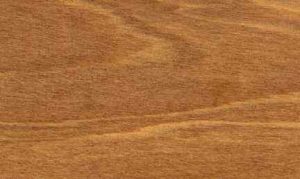
Heartwood Color
| Brown | ||||||||||||
| Yellow | ||||||||||||
| Red | ||||||||||||
| Pale brown |
Sapwood Color
| Brown | ||||||||||||
| White | ||||||||||||
| Color not distinct from heartwood |
Grain
| Even | ||||||||||||
| Straight |
| Straight |
Texture
| Fine | ||||||||||||
| Uniform | ||||||||||||
| Even or uniform | ||||||||||||
| Medium | ||||||||||||
| Fine |
Natural Durability
| Durable |
The timber is prone to blue stain, and is susceptible to attack by termites, pinhole borers, longhorn beetles, and marine borers. The wood is resistant to acids
Odor
| No specific smell or taste |
Drying Defects
| Splitting | ||||||||||||
| Checking |
Warping may occur in backsawn material. There is also a slight tendency for the timber to check and collapse
Ease of Drying
| Moderately Difficult to Difficult | ||||||||||||
| Medium to High Shrinkage | ||||||||||||
| Variable results. | ||||||||||||
| Kiln dries well | ||||||||||||
| Air-dries rather well |
Comments
The timber is a good substitute for Kauri (Agathis spp. )
Blunting Effect
| High to severe |
Boring
| Fairly difficult to very difficult |
Carving
| Fairly Difficult to Very Difficult |
Cutting Resistance
| Fairly Difficult to Very Difficult to saw | ||||||||||||
| Cutting Resistance with dry wood is easy |
Gluing
| Very good properties |
Mortising
| Fairly Difficult to Very Difficult |
Moulding
| Fairly Difficult to Very Difficult |
Movement in Service
| Fair to Good Stability – Medium Movement |
Planing
| Fair to Good Results | ||||||||||||
| Fairly Difficult to Very Difficult | ||||||||||||
| Easy to plane |
Generally easy to use hand tools
Resistance to Impregnation
| Resistant sapwood | ||||||||||||
| Resistant heartwood | ||||||||||||
| Sapwood is permeable | ||||||||||||
| Heartwood is resistant |
Routing & Recessing
| Fairly Difficult to Very Difficult |
Turning
| Fair to Good Results | ||||||||||||
| Fairly Difficult to Very Difficult |
Polishing
| Polished surfaces are very smooth and shiny |
Numerical Data
| Item | Green | Dry | English |
| Bending Strength | 6762 | 10261 | psi |
| Crushing Strength | 485 | 951 | psi |
| Density | 22 | lbs/ft3 | |
| Hardness | 622 | lbs | |
| Maximum Crushing Strength | 3430 | 6066 | psi |
| Shearing Strength | 1416 | psi | |
| Static Bending | 3861 | 6488 | psi |
| Stiffness | 941 | 1117 | 1000 psi |
| Toughness | 48 | inch-lbs | |
| Specific Gravity | 0.34 | ||
| Weight | 24 | 19. | lbs/ft3 |
| Item | Green | Dry | Metric |
| Bending Strength | 475 | 721 | kg/cm2 |
| Crushing Strength | 34 | 66 | kg/cm2 |
| Density | 352 | kg/m3 | |
| Hardness | 282 | kg | |
| Maximum Crushing Strength | 241 | 426 | kg/cm2 |
| Shearing Strength | 99 | kg/cm2 | |
| Static Bending | 271 | 456 | kg/cm2 |
| Stiffness | 66 | 78 | 1000 kg/cm2 |
| Toughness | 55 | cm-kg | |
| Specific Gravity | 0.34 |
References
Bolza, E., Kloot, N.H.,1972,The Mechanical Properties of 56 Fijian Timbers,Australia C.S.I.R.O. Division of Forest Products Technological Paper,No.,62
Keating, W.G., Bolza, E.,1982,Characteristics properties and uses of timbers. South East Asia, Northern,Australia and the Pacific,C.S.I.R.O. Div. Chemical Technology,Inkata Press,1