Scientific Name
Cupressus macnabiana
Trade Name
Macnab cypress
Family Name
Cupressaceae
Common Names
Macnab cypress, Monterey cypress
Regions of Distribution
North America
Countries of Distribution [VIEW MAP]
United States
Common Uses
Building materials, Furniture , Interior construction, Paneling , Posts, Rustic furniture, Tables , Utility furniture, Wainscotting
Environmental Profile
| Vulnerable | ||||||||||||
| Rare in parts of its natural range (population is at risk) |
Ven abundantly at some of its locations) in a restricted range. Other existing factors may also be threatening the survival of the species throughout its range (Source – The Nature Conservancy – Rank of relative endangerment based primarily on the number of occurrences of the species globally)
Distribution Overview
MacNab cypress occurs only in California and has the widest distribution of any of the California cypress. Numerous scattered groves occur in the inner North Coast Ranges, the Sierra Nevada foothills, and the Cascade Range. Over 30 groves occur in the following counties: Sonoma, Napa, Yolo, Mendocino, Lake, Colusa, Tehama, Shasta, Butte, Nevada, Yuba, and Amador.
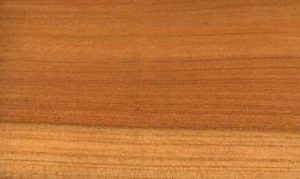
Heartwood Color
| Red | ||||||||||||
| Brown | ||||||||||||
| Purple | ||||||||||||
| Pink |
Sapwood Color
| Brown | ||||||||||||
| Pink | ||||||||||||
| Red |
Grain
| Interlocked | ||||||||||||
| Straight | ||||||||||||
| Figure | ||||||||||||
| Even | ||||||||||||
| Birds-eye (figure) | ||||||||||||
| Distinct (figure) |
Growth rings (figure)
Texture
| Medium | ||||||||||||
| Fine | ||||||||||||
| Coarse |
Luster
| Medium | ||||||||||||
| Low | ||||||||||||
| High |
Natural Durability
| Moderately durable | ||||||||||||
| Non-durable | ||||||||||||
| Perishable | ||||||||||||
| Non-resistant to marine borers | ||||||||||||
| Non-resistant to powder post beetles | ||||||||||||
| Resistant to termites | ||||||||||||
| Susceptible to insect attack |
The timber has high natural resistance to decay and attack by other wood destroying organisms
Odor
| Has a pleasant odor |
Drying Defects
| Splitting | ||||||||||||
| Distortion | ||||||||||||
| Checking |
Ease of Drying
| Variable | ||||||||||||
| Reconditioning Treatement |
Tree Size
| Tree height is 20-30 m | ||||||||||||
| Sapwood width is 10-15 cm | ||||||||||||
| Tree height is 30-40 m |
It develops wide spreading crowns that are often more broad than high
Boring
| Excellent (95+ pieces out of 100 will yield excellent results) |
Cutting Resistance
| Straight | ||||||||||||
| Figure | ||||||||||||
| Even | ||||||||||||
| Other (figure) | ||||||||||||
| Variable (figure) | ||||||||||||
| Growth rings (figure) | ||||||||||||
| Fairly Difficult to Very Difficult | ||||||||||||
| Poor to Very Poor Results |
Planing
| Fair to Good Results | ||||||||||||
| Very Good to Excellent Results | ||||||||||||
| Fairly Easy to Very Easy |
Resistance to Impregnation
| Resistant heartwood | ||||||||||||
| Permeable heartwood | ||||||||||||
| Permeable sapwood | ||||||||||||
| Resistant sapwood |
Response to Hand Tools
| Easy to Work | ||||||||||||
| Fairly Difficult to Difficult to Work |
Veneering Qualities
| Suitable for peeling | ||||||||||||
| Veneers easily | ||||||||||||
| Veneers moderately easy |
Polishing
| Fair to Good Results |
Numerical Data
| Item | Green | Dry | English |
References
Brockman, F.C. and R. Merrilees. 1986. Trees of North America – A Guide to Field Identification. Revised Version. Herbert S. Zim, editor. Published by the Golden Press, New York.
Dave Faison. Into the Woods. Personal Communication, 1993.
Little, E.L. 1980. The Audobon Society Field Guide to North American Trees – Western Region. Published by Arthur A. Knopf, New York.
Petrides, G.A.and O. Petrides. 1992. A Field Guide to Western Trees – Western United States and Canada. The Petersen Field Guide Series, 44. Houghton Mifflin Company, Boston