Scientific Name
Balfourodendron riedelianum
Trade Name
Pau marfim
Family Name
Rutaceae



Common Names
Farinha-seca, Gramixinga, Guataia, Guatambu, Guatambu blanco, Guatambu moroti, Ibira-nete, Ibiranoti, Ivorywood, Marfim, Moroti, Pao liso, Pao marfim, Pau liso, Pau marfim, Pequia marfim, Quatamba
Regions of Distribution
Latin America
Countries of Distribution [VIEW MAP]
Argentina, Brazil, Paraguay
Common Uses
Agricultural implements, Axles, Bent Parts, Boat building (general), Boat building, Bobbins, Cabinetmaking, Canoes, Carvings, Chairs, Chests, Concealed parts (Furniture), Cooperages, Decorative plywood, Decorative veneer, Desks, Dining-room furniture, Domestic flooring, Dowell pins, Dowells, Drawer sides, Excelsior, Figured veneer, Fine furniture, Floor lamps, Flooring, Furniture , Furniture components, Furniture squares or stock, Furniture, Handles, Hatracks, Heavy construction, Interior construction, Interior trim, Joinery, Kitchen cabinets, Lifeboats, Light construction, Living-room suites, Marquetry, Mathematical instruments, Moldings, Musical instruments, Oars, Office furniture, Paneling , Parquet flooring, Plywood corestock, Plywood, Radio – stereo – TV cabinets, Rustic furniture, Sporting Goods, Textile equipment, Tool handles, Turnery
Environmental Profile
| Extinct, Endangered, Vulnerable, or Rare within its range |
Plentiful in Paraguay.
Distribution Overview
State of Sao Paulo, Brazil; northern and central Paraguay; and the Selva Misionera, Argentina.
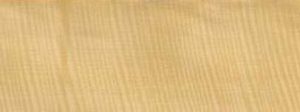
Heartwood Color
| Brown | ||||||||||||
| Red | ||||||||||||
| Purple | ||||||||||||
| Pink | ||||||||||||
| Yellow to golden-yellow to orange | ||||||||||||
| White to cream | ||||||||||||
| Sometimes with a grayish tinge and/or darker streaks | ||||||||||||
| Pale brown | ||||||||||||
| Nearly white, pale yellowish-brown, or cream to lemon |
The wood has a superficial likeness to Sugar maple or Yellow birch, but it is much harder and more elastic
Sapwood Color
| White | ||||||||||||
| Pink | ||||||||||||
| Yellow | ||||||||||||
| Same as heartwood | ||||||||||||
| White to yellow | ||||||||||||
| No contrast between the heartwood and sapwood |
Grain
| Straight | ||||||||||||
| Interlocked | ||||||||||||
| Figure | ||||||||||||
| Closed | ||||||||||||
| Even | ||||||||||||
| Weak (figure) | ||||||||||||
| Irregular |
| Straight | ||||||||||||
| Interlocked | ||||||||||||
| Weak figure | ||||||||||||
| Occasionally interlocked, but not always | ||||||||||||
| Irregular |
Texture
| Medium | ||||||||||||
| Coarse | ||||||||||||
| Fine | ||||||||||||
| Fine to very fine and uniform |
The size and appearance of earlywood and latewood cells are relatively uniform within each growth ring
Luster
| Lustrous | ||||||||||||
| Dull | ||||||||||||
| Medium |
Natural Durability
| Durable | ||||||||||||
| Resistant to marine borers | ||||||||||||
| Resistant to termites | ||||||||||||
| Non-resistant to powder post beetles | ||||||||||||
| Non durable | ||||||||||||
| Non durable | ||||||||||||
| Vulnerable to insect attack | ||||||||||||
| Very low natural resistance to decay and attack by termites | ||||||||||||
| Susceptible to attack from powder post (Lyctid & Bostrychid) beetles | ||||||||||||
| Sapwood is susceptible to wood staining fungal attack | ||||||||||||
| Perishable | ||||||||||||
| Perishable | ||||||||||||
| Moderately durable | ||||||||||||
| Moderately durable |
Not recommended for exterior applications.
Odor
| No specific smell or taste |
Toxicity
| Dermatitic effects | ||||||||||||
| Respiratory effects |
Kiln Schedules
| UK=E US=T6D2/T3D1 Fr=5 | ||||||||||||
| Us schedule T3-B2 has been suggested for 2.5 and 3 squares | ||||||||||||
| T6-C3 (4/4); T5-C2 (8/4) US Schedule E (4/4) United Kingdom | ||||||||||||
| Dry at a slow speed |
Drying Defects
| Resin Exudation | ||||||||||||
| Distortion | ||||||||||||
| Discoloration | ||||||||||||
| Moderate surface checking | ||||||||||||
| Slight twist/warp | ||||||||||||
| Severe surface checking | ||||||||||||
| No end splitting | ||||||||||||
| Dries with very little or no degrade |
Ease of Drying
| Slowly | ||||||||||||
| Reconditioning Treatement | ||||||||||||
| Little degrade | ||||||||||||
| Rather high volumetric shrinkage | ||||||||||||
| Dries easily and readily | ||||||||||||
| Air dries slowly due to its density |
Tree Identification
| Bole/stem form is straight |
Tree Size
| Tree height is 30-40 m | ||||||||||||
| Trunk diameter is 100-150 cm |
Product Sources
The ITTO reports that a fairly important source of timber and is exported regularly.
Its extensive growth range makes the timber available in adequate quantities for the European market, where Maobi is more popular. Supply in the U.S. market is generally limited since the wood is mainly used in small quantities for turning and carving. Price is generally high, but not prohibitive.
Substitutes
| Viable subsitute for Maple (Acer) and Birch (Betula) due to similarities in appearance and usage |
It is superior to Maple for flooring because of its high wear resistance, but Pau marfim is much harder to work and is stronger than necessary for cabinet work. The wood is also reported to vary widely in density, depending upon prevailing conditions at growth sites
Comments
General finishing qualities are rated as good
Blunting Effect
| Moderate | ||||||||||||
| Moderate to fairly sever blunting effect on cutting edges | ||||||||||||
| Blunting effect on machining is slight | ||||||||||||
| Blunting effect on machining is fairly severe |
Boring
| Fair to good results |
Carving
| Fair to Good Results | ||||||||||||
| Fairly Easy to Very Easy | ||||||||||||
| Good carving characteristics |
Cutting Resistance
| Fairly Difficult to Very Difficult to saw | ||||||||||||
| Cutting Resistance with dry wood is easy | ||||||||||||
| Low to medium sawing resistance |
Gluing
| Fair to Good Results | ||||||||||||
| Fairly Easy to Very Easy | ||||||||||||
| Easy to glue | ||||||||||||
| Satisfactory gluing properties |
Mortising
| Fairly Easy to Very Easy |
Moulding
| Fairly Easy to Very Easy | ||||||||||||
| Tearing may occur in moulding when irregular or interlocked grain is present |
Movement in Service
| Fair to Good Stability – Medium Movement | ||||||||||||
| Small movement in use | ||||||||||||
| Dimensionally stable after proper seasoning |
Nailing
| Pre-Boring Recommended | ||||||||||||
| Difficult to nail | ||||||||||||
| Accepts thin nails well |
Planing
| Fair to Good Results | ||||||||||||
| Fairly Easy to Very Easy | ||||||||||||
| Irregular grain may cause grain tearing in planning | ||||||||||||
| Easy to plane |
Resistance to Impregnation
| Permeable sapwood | ||||||||||||
| Resistant heartwood | ||||||||||||
| Resistant sapwood | ||||||||||||
| Heartwood is resistant | ||||||||||||
| Sapwood is treatable | ||||||||||||
| Resistant to preservative treatment |
Response to Hand Tools
| Easy to machine | ||||||||||||
| Responds well to hand tools |
Routing & Recessing
| Fairly Easy to Very Easy |
Sanding
| Fairly Easy to Very Easy |
Screwing
| Pre-boring recommended | ||||||||||||
| Good screwing properties |
Turning
| Fairly Easy to Very Easy | ||||||||||||
| Easy to turn |
Veneering Qualities
| Suitable for slicing | ||||||||||||
| Suitable for peeling | ||||||||||||
| Sliced into decorative veneers for paneling and cabinets |
Steam Bending
| Fair to Good Results | ||||||||||||
| Fairly Easy to Very Easy | ||||||||||||
| Very poor steam bending characteristics | ||||||||||||
| High strength |
Painting
| Accepts paint easily |
Polishing
| Fair to Good Results | ||||||||||||
| Satisfactory results | ||||||||||||
| Good results | ||||||||||||
| Good finishing characteristics | ||||||||||||
| Can be polished to a smooth finish |
Staining
| Fair to Good Results | ||||||||||||
| Fairly Easy to Very Easy | ||||||||||||
| Staining (Characteristic) = coloured water-soluble extract | ||||||||||||
| Good staining qualities | ||||||||||||
| Finish is generally satisfactory |
Varnishing
| Satisfactory | ||||||||||||
| Easy to varnish |
Strength Properties
| Density (dry weight) = 46-52 lbs/cu. ft. | ||||||||||||
| Bending strength (MOR) = high | ||||||||||||
| Max. crushing strength = high | ||||||||||||
| Shrinkage, Tangential = large | ||||||||||||
| Shrinkage, Radial = moderate | ||||||||||||
| Shrinkage, Volumetric = fairly large | ||||||||||||
| Modulus of Elasticity (stiffness) = medium | ||||||||||||
| Shrinkage, Tangential = fairly large | ||||||||||||
| Shrinkage, Radial = fairly large | ||||||||||||
| Density (dry weight) = 53-60 lbs/cu. ft | ||||||||||||
| Hardness (side grain) = medium | ||||||||||||
| Hardness (side grain) = hard | ||||||||||||
| Shrinkage, Volumetric = large | ||||||||||||
| Shrinkage, Radial = small | ||||||||||||
| Shrinkage, Radial = large | ||||||||||||
| Shearing strength (parallel to grain) = high | ||||||||||||
| Modulus of Elasticity (stiffness) = high | ||||||||||||
| Bending strength (MOR) = medium | ||||||||||||
| Very high density | ||||||||||||
| Very heavy | ||||||||||||
| Shrinkage, Tangential = moderate | ||||||||||||
| Shearing strength (parallel to grain) = very high | ||||||||||||
| Modulus of Elasticity (stiffness) = low | ||||||||||||
| Max. crushing strength = very high | ||||||||||||
| High in density |
Numerical Data
| Item | Green | Dry | English |
| Bending Strength | 13841 | 20104 | psi |
| Density | 50 | lbs/ft3 | |
| Hardness | 1987 | lbs | |
| Maximum Crushing Strength | 6700 | 10276 | psi |
| Shearing Strength | 2960 | psi | |
| Stiffness | 1724 | 2022 | 1000 psi |
| Specific Gravity | 0.64 | 0.7 | |
| Weight | 49 | 38 | lbs/ft3 |
| Radial Shrinkage | 4 | % | |
| Tangential Shrinkage | 9 | % | |
| Volumetric Shrinkage | 13 | % | |
| Item | Green | Dry | Metric |
| Bending Strength | 973 | 1413 | kg/cm2 |
| Density | 801 | kg/m3 | |
| Hardness | 901 | kg | |
| Maximum Crushing Strength | 471 | 722 | kg/cm2 |
| Shearing Strength | 208 | kg/cm2 | |
| Stiffness | 121 | 142 | 1000 kg/cm2 |
| Specific Gravity | 0.64 | 0.7 | |
| Weight | 785 | 608 | kg/m3 |
| Radial Shrinkage | 4 | % | |
| Tangential Shrinkage | 9 | % |
References
Arno, J. 1989. Balfourodendron riedelianum – Pau marfim. In A Guide to Useful Wood of the World, Flynn Jr., J.H., Editor. King Philip Publishing Co., Portland, Maine. 1994. Page 57-58.
Berni, C.A., Bolza, E., Christensen, F.J.,1979,South American Timbers – The Characteristics, Properties and Uses of 190,Species,C.S.I.R.O Div. Building Research
Bolza, E.,1976,Timber and Health,Div. Building Res. C.S.I.R.O. Australia
Boone, R.S., C.J. Kozlik, P.J. Bois, E.M. Wengert. 1988. Dry Kiln Schedules for Commercial Hardwoods -Temperate and Tropical. USDA, Forest Service, General Technical Report FPL-GTR-57, Forest Products Laboratory, Madison, Wisconsin.
Brazier, J.D.,1975,Properties and uses of Brazilian woods,Journal of the Institute of Wood Science,7(2,pp50-57
Brazil -, I.B.D.F.,1980,Woods from Tucurui – characteristics and application,The Ag. Ministry Brazilian Institute for Forest Development
Brown, W.H.,1978,Timbers of the World, No. 2 South America,TRADA, Red Booklet Series
Celulosa Argentina,1973,Libro del Arbol,Celulosa Argentina Buenos Aires 3 Vols
Chichignoud, M., G. Deon, P. Detienne, B. Parant, and P. Vantomme. 1990. Tropical Timber Atlas of Latin America. International Tropical Timber Organization (ITTO, Centre Technique Forestier Tropical, Division of CIRAD, 45 bis Avenue de la Belle Gabrielle, Nogent-sur-Marne, CEDEX, France.
Chudnoff, M.,1984,Tropical Timbers of the World,U.S.A. Department of Agriculture, Forest Service, Forest Products,Laboratory, Madison.
Constantine, Jr., A. J. 1959. Know Your Woods – A Complete Guide to Trees, Woods, and Veneers. Revised Edition. Revised by H.J. Hobbs. Charles Scribner’s Sons, New York.
Goldsmith, B.,1947,La Industria de Maderas Compensadas en la Republica Aargentina,Min. Ag. Argentina, Dir. Gen. de Tierras y Bosques, Dir. For., Publ. Tec.,10
Horn, E.F.,1946,New Uses for Brazilian Timbers,Tropical Woods,11(86,pp12-13
Kaiser, Jo-Ann. Wood of the Month. Pau marfim: The Cream Colored Ivory Wood from South America. Wood & Wood Products. December, 1991. Page 46.
Lincoln, W.A. 1986. World Woods in Color. Linden Publishing Co. Inc., Fresno, California.
Mainieri, C., Pereira, J.A.,1965,Madeiras do Brasil,Anuario Brasileiro de Economia Florestal,17(17,PP135-416
Mainieri, C.,1978,Fichas de Caracteristicas das Madeiras Brasileiras,Inst. Pesquisas Technologicas
Record, S.J., Hess, R.W.,1943,Timbers of the New World,Yale University Press
Record, S.J., Mell, C.D.,1924,Timbers of Tropical America,Yale Univ. Press
Sao Paulo – Instituto de Pesquisas Tecnologicas,1956,Tabelas de Resultados obtidos para Madeiras Nacionais,Inst. Pesq. Tec. Sao Paulo, Brazil Bol., No.31(2nd Ed.)
Takahashi, A.,1975,Compilation of data on the Mechanical Properties of Foreign Woods (Part 2,Central and South America,Shimane University, Japan, Research Report on Foreign Wood No.4
Timber Development Association Ltd.,1955,World Timbers (3 Vols.,Timber Development Association Ltd.
Timber Development Association,1943,Brazilian Rosewood (Dalbergia nigra) and Pao Marfim (Balfourodendron,riedelianum,TRADA, Timber Leaflet,80
Timber Trades Journal,1971,World Timbers – Pau Marfim (Balfourodendron riedelianum,Timber Trades Journal,278(4952,supplement between pp36-7
Titmuss, F.H.,1965,Commercial Timbers of the World,Technical Press Ltd., London, 3rd edition
Tortorelli, L.,1956,Maderas y Bosques Argentinos,Editorial Acme S.A.C.I. Buenos Aires
Tropical Woods,1968,Madeiras Comercias Brasileiras,Inst. Pesq. Tec. Sao Paulo Brazil Publ.,857
U.S.D.A. Forest Service,1974,Wood Handbook,U.S.A. Department of Agriculture, Forest Service Handbook,72
USDA. 1987. Wood Handbook – Wood as an Engineering Material. United States Department of Agriculture, Forest Service, Agriculture Handbook No. 72, Forest Products Laboratory, Madison, Wisconsin.
WCMC. 1992. Conservation Status Listing – Trees and Timbers of the World. World Conservation Monitoring Center-Plants Programme, Cambridge, CB3 ODL, United Kingdom.
Wood, B., Calnan, D.,1976,Toxic Woods,British Journal of Dermat 94 Suppl. 13