Scientific Name
Afzelia africana
Trade Name
Afzelia
Family Name
Leguminosae
Synonyms
Afrafzelia africana


Common Names
Adja, Adya, Afzelia, Ahanta, Aja, Akpalata, Akpela, Aligna, Alinyan, Apa, Appa, Arachi, Ariyan, Ayan, Azza, Baa, Bachi, Balawao-kudu, Balawo-kudu, Beyo, Bilinga, Bodjembo, Bolengo, Bolengu, Counter wood, Douissie, Doussie, Fok, Gayo, Gayohi, Gbende, Gbleteo, Gongo, Hol, Kakala, Kapalaga, Kawo, Kinkalaga, Kontah, Kpa-kpa, Kpalga, Kpaliga, Kpendei, Kpendi-deli, Kpendi-guli, Kpendi-kpoli, Kuanguli, Kukpalik, Lengko, Lengue, Lingue, Liwamba, M’banga, Mahogany bean, Mahogany bean tree, Mbokora, Mboro, Meli, Mkola, Mussacosa, N’kokongo, Nenko, Ngboro, Olombi, Opapao, Opapeh, Pai, Papao, Papao-baum, Papawe, Papoa, Pau contra, Pau konta, Pauconta, Pepe, Rhodesian mahogany, Upa, Uvala, Wokpa, Yada, Yoruba bilinga
Regions of Distribution
Africa
Countries of Distribution [VIEW MAP]
Angola, Benin, Central African Republic, Congo, Gambia, Ghana, Guinea Bissau, Guinea, Ivory Coast, Liberia, Mozambique, Nigeria, Senegal, Sierra Leone, Sudan, Tanzania, Uganda, Zaire
Common Uses
Agricultural implements, Beams, Boat building (general), Boat building, Boat building: framing, Boxes and crates, Bridge construction, Building construction, Building materials, Cabin construction, Cabinetmaking, Canoes, Carvings, Chairs, Chemical containers, Chests, Concealed parts (Furniture), Concrete formwork, Construction, Cooperages, Decks, Decorative plywood, Desks, Dining-room furniture, Domestic flooring, Door, Dowell pins, Dowells, Drawer sides, Excelsior, Exterior trim & siding, Exterior uses, Factory construction, Fine furniture, Floor lamps, Flooring, Flooring: industrial heavy traffic, Form work, Foundation posts, Framing, Fuelwood, Furniture , Furniture components, Furniture squares or stock, Furniture, Hatracks, Heavy construction, Interior construction, Interior trim, Joinery (external): ground contact, Joinery, Joists, Kitchen cabinets, Lifeboats, Light construction, Marine construction, Millwork, Mine timbers, Musical instruments, Musical instruments: percussion, Paneling, Particleboard, Piling, Plywood, Poles, Posts, Railroad ties, Tables, Tool handles, Turnery, Vats, Vehicle parts, Veneer: decorative, Wharf construction
Environmental Profile
| Abundant/Secure | ||||||||||||
| Globally secure | ||||||||||||
| Data source is World Conservation Monitoring Center |
Distribution Overview
This widespread species occurs in Benin, Burkina Faso, Cameroon, Central African Republic, Chad, C�te d’Ivoire, Ghana, Guinea, Guinea-Bissau, Mali, Niger, Nigeria, Senegal, Sierra Leone, Sudan, Togo, Uganda and Zaire. In Ghana, the species is usually found in dry forest, especially in the forest-savanna borders. It tends to be scattered in areas with rocky soils. It can also be found in dense evergreen forests, especially from Senegal to Sudan, but by also be present in the east African coastal forests.
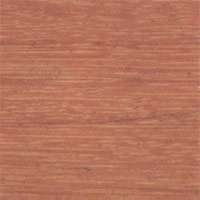
Heartwood Color
| Brown | ||||||||||||
| Red | ||||||||||||
| Yellow | ||||||||||||
| Orange | ||||||||||||
| Purple | ||||||||||||
| Tan | ||||||||||||
| Reddish brown | ||||||||||||
| Pale brown | ||||||||||||
| Yellow to golden-yellow to orange | ||||||||||||
| Brown | ||||||||||||
| Turn reddish brown upon exposure | ||||||||||||
| Light brown | ||||||||||||
| Distinct in color from sapwood | ||||||||||||
| Creamy tan |
Sapwood Color
| White | ||||||||||||
| Yellow | ||||||||||||
| White to yellow | ||||||||||||
| Well defined | ||||||||||||
| Whitish | ||||||||||||
| Pale straw | ||||||||||||
| Clearly differentiated from the heartwood |
Averages about 1 to 2 inches (2.5 to 5 cm) in width
Grain
| Interlocked | ||||||||||||
| Figure | ||||||||||||
| Distinct (figure) | ||||||||||||
| Straight | ||||||||||||
| Other (figure) | ||||||||||||
| Even | ||||||||||||
| Irregular | ||||||||||||
| Weak (figure) |
| Interlocked | ||||||||||||
| Distinct and very fine figure | ||||||||||||
| Straight | ||||||||||||
| Other figure | ||||||||||||
| Distinct figure | ||||||||||||
| Weak figure | ||||||||||||
| Straight to interlocked | ||||||||||||
| Irregular |
Texture
| Coarse | ||||||||||||
| Medium | ||||||||||||
| Even or uniform | ||||||||||||
| Uniform | ||||||||||||
| Coarse | ||||||||||||
| Medium coarse to coarse | ||||||||||||
| Moderately coarse | ||||||||||||
| Even textured |
Luster
| Low | ||||||||||||
| Medium | ||||||||||||
| Dull | ||||||||||||
| Lustrous | ||||||||||||
| Medium |
Natural Growth Defects
| Yellowish deposits in vessels | ||||||||||||
| Whitish deposits in vessels | ||||||||||||
| Gum and mineral deposits |
Natural Durability
| Very durable | ||||||||||||
| Resistant to termites | ||||||||||||
| Resistant to marine borers | ||||||||||||
| Susceptible to insect attack | ||||||||||||
| Resistant to powder post beetles | ||||||||||||
| Non-resistant to powder post beetles | ||||||||||||
| Very durable | ||||||||||||
| Resistant to attack from termites (Isoptera) | ||||||||||||
| Resistant to attack from marine borers | ||||||||||||
| Resistant to attack from powder post (Lyctid & Bostrychid) beetles | ||||||||||||
| Sapwood susceptible to attack by powder post beetles | ||||||||||||
| Sapwood is susceptible to wood staining fungal attack | ||||||||||||
| Moderately resistant to attack by termites |
Susceptible to attack from powder post (Lyctid & Bostrychid) beetles
Odor
| No specific smell or taste |
Light-Induced Color Change
| Darker |
Toxicity
| Some toxic effects | ||||||||||||
| Unspecified toxicity | ||||||||||||
| Respiratory effects | ||||||||||||
| Sawdust can cause irritation in some individuals | ||||||||||||
| Dermatitic effects |
Kiln Schedules
| Dry at a slow speed | ||||||||||||
| Kiln Drying Rate (in days) is rather slow |
Drying Defects
| Checking | ||||||||||||
| Distortion | ||||||||||||
| Extension of Existing Shakes | ||||||||||||
| Ring Shakes | ||||||||||||
| Slight surface checking | ||||||||||||
| Slight checking and cracking | ||||||||||||
| Shakes may become extended | ||||||||||||
| No twisting or warping | ||||||||||||
| No end splitting | ||||||||||||
| Distortion (twist/warp) is likely |
Ease of Drying
| Fairly Easy | ||||||||||||
| Slowly | ||||||||||||
| Reconditioning Treatement | ||||||||||||
| Little degrade | ||||||||||||
| Moderately Difficult to Difficult | ||||||||||||
| Easy | ||||||||||||
| Radial and tangential shrinkage from 1-2% | ||||||||||||
| Moderate | ||||||||||||
| Dries slowly with little degrade |
Kiln Drying Rate
| Naturally dries slowly | ||||||||||||
| Very slow | ||||||||||||
| Drying rate is slow | ||||||||||||
| Very slow (>28 days for boards < 32 mm, to >84 days for boards >= 63 mm) |
Tree Identification
| Bole/stem form is buttressed | ||||||||||||
| Bole/stem form is unknown | ||||||||||||
| Bole/stem form is straight | ||||||||||||
| Bole/stem form is not buttressed | ||||||||||||
| Bole/stem form is misshapen |
Tree Size
| Tree height is 10-20 m | ||||||||||||
| Tree height is 30-40 m | ||||||||||||
| Sapwood width is 5-10 cm | ||||||||||||
| Sapwood width is 0-5 cm | ||||||||||||
| Bole length is 10-20 m | ||||||||||||
| Tree height is 20-30 m | ||||||||||||
| Bole length is 0-10 m |
Product Sources
Exported on a regular basis.
Certified Source
| Certified Source |
Comments
General finishing qualities are rated as good
The wood contains a yellow dye-stuff (afzelin) which can stain textile materials under moist conditions
Blunting Effect
| Moderate | ||||||||||||
| High to severe | ||||||||||||
| Blunting effect on machining is moderate | ||||||||||||
| Blunting effect on sawing dry wood is severe | ||||||||||||
| Blunting effect on machining is fairly severe | ||||||||||||
| Medium effect | ||||||||||||
| Blunting effect on sawing green wood is severe | ||||||||||||
| Blunting effect on machining is severe |
Boring
| Fairly easy to very easy | ||||||||||||
| Easy |
Cutting Resistance
| Easy to saw | ||||||||||||
| Fairly Difficult to Very Difficult to saw | ||||||||||||
| Moderate to saw | ||||||||||||
| Cutting Resistance with dry wood is easy | ||||||||||||
| Cutting Resistance with dry wood is difficult | ||||||||||||
| Difficult to saw | ||||||||||||
| Cutting Resistance with dry wood is moderate | ||||||||||||
| Cutting edges are dulled rapidly |
Gluing
| Fairly Easy to Very Easy | ||||||||||||
| Fairly Difficult to Very Difficult | ||||||||||||
| Easy to glue | ||||||||||||
| Difficult to glue |
Mortising
| Fairly Easy to Very Easy | ||||||||||||
| Fairly Difficult to Very Difficult | ||||||||||||
| Easy to mortise | ||||||||||||
| Difficult to mortise |
Moulding
| Fairly Easy to Very Easy | ||||||||||||
| Fairly Difficult to Very Difficult | ||||||||||||
| Easy to mould |
Movement in Service
| Excellent Stability – Small Movement | ||||||||||||
| Fair to Good Stability – Medium Movement | ||||||||||||
| Small | ||||||||||||
| Stable | ||||||||||||
| Small movement in use |
Nailing
| Fairly Difficult to Very Difficult | ||||||||||||
| Pre-Boring Recommended | ||||||||||||
| Fair to Good Results | ||||||||||||
| Very Good to Excellent Results | ||||||||||||
| Difficult to nail | ||||||||||||
| Holds nails well | ||||||||||||
| Possible if prebored | ||||||||||||
| Pre-boring recommended |
Planing
| Fairly Easy to Very Easy | ||||||||||||
| Fairly Difficult to Very Difficult | ||||||||||||
| Very Good to Excellent Results | ||||||||||||
| Fair to Good Results | ||||||||||||
| Easy to plane | ||||||||||||
| Difficult to plane | ||||||||||||
| Planes well, to a good finish |
Reduced cutting angle of 15 degrees to prevent torn grain.
Resistance to Impregnation
| Resistant heartwood | ||||||||||||
| Resistant sapwood | ||||||||||||
| Permeable sapwood | ||||||||||||
| Heartwood is extremely resistant | ||||||||||||
| Sapwood is moderately treatable | ||||||||||||
| Sapwood is moderately resistant | ||||||||||||
| Sapwood is extremely resistant | ||||||||||||
| Heartwood is resistant |
Response to Hand Tools
| Easy to Work | ||||||||||||
| Fairly Difficult to Difficult to Work | ||||||||||||
| Responds Poorly | ||||||||||||
| Moderate working qualities | ||||||||||||
| Difficult to machine | ||||||||||||
| Easy to machine |
Sanding
| Fairly Easy to Very Easy | ||||||||||||
| Fair to Good Results | ||||||||||||
| Easy to sand |
The material works to a smooth finish
Screwing
| Pre-boring recommended | ||||||||||||
| Fair to Good Results | ||||||||||||
| Fairly Difficult to Very Difficult | ||||||||||||
| Very Good to Excellent Results | ||||||||||||
| Screwing yields good results | ||||||||||||
| Possible if prebored | ||||||||||||
| Difficult to screw |
Turning
| Fairly Difficult to Very Difficult | ||||||||||||
| Poor to Very Poor Results | ||||||||||||
| Poor turning characteristics | ||||||||||||
| Difficult to turn |
Veneering Qualities
| Difficult to veneer | ||||||||||||
| Not suited for plywood manufacture | ||||||||||||
| Difficult to glue | ||||||||||||
| Dense wood |
Steam Bending
| Fair to Good Results | ||||||||||||
| Poor to Very Poor Results | ||||||||||||
| Fairly Easy to Very Easy | ||||||||||||
| Moderate | ||||||||||||
| Satisfactory | ||||||||||||
| Poor |
Painting
| Very Good to Excellent Results | ||||||||||||
| Fair to Good Results | ||||||||||||
| Good results |
Polishing
| Fair to Good Results | ||||||||||||
| Very Good to Excellent Results | ||||||||||||
| Satisfactory results | ||||||||||||
| Good results |
Staining
| Poor to Very Poor Results | ||||||||||||
| Fair to Good Results | ||||||||||||
| Fairly Difficult to Very Difficult | ||||||||||||
| Poor results | ||||||||||||
| Staining (Characteristic) = coloured water-soluble extract | ||||||||||||
| Finish is generally satisfactory | ||||||||||||
| Difficult to stain. |
Yellow or white deposits in pores can make staining especially difficult
Varnishing
| Fair to Good Results | ||||||||||||
| Very Good to Excellent Results | ||||||||||||
| Surface Preparation | ||||||||||||
| Fairly Easy to Very Easy | ||||||||||||
| Satisfactory | ||||||||||||
| Good results |
Strength Properties
| Density (dry weight) = 46-52 lbs/cu. ft. | ||||||||||||
| Max. crushing strength = high | ||||||||||||
| Bending strength (MOR) = medium | ||||||||||||
| Modulus of Elasticity (stiffness) = medium | ||||||||||||
| Bending strength (MOR) = high | ||||||||||||
| Shrinkage, Tangential = very small | ||||||||||||
| Density (dry weight)= 53 – 60 lbs/cu. ft | ||||||||||||
| Shrinkage, Volumetric = small | ||||||||||||
| Shrinkage, Radial = very small | ||||||||||||
| Shearing strength (parallel to grain) = medium | ||||||||||||
| Hardness (side grain) = very hard | ||||||||||||
| Hardness (side grain) = medium | ||||||||||||
| Density (dry weight) = 38-45 lbs/cu. ft. | ||||||||||||
| Shearing strength (parallel to grain) = very low | ||||||||||||
| Hardness (side grain)= hard | ||||||||||||
| Shrinkage, Radial = small | ||||||||||||
| Shearing strength (parallel to grain) = low | ||||||||||||
| Density (dry weight) = 31-37 lbs/cu. ft. | ||||||||||||
| Toughness-Hammer drop (Impact Strength) = low | ||||||||||||
| Shrinkage, Tangential = small | ||||||||||||
| Resists denting and marring | ||||||||||||
| Modulus of Elasticity (stiffness) = very low | ||||||||||||
| Modulus of Elasticity (stiffness) = low | ||||||||||||
| Max. crushing strength = medium | ||||||||||||
| Hard | ||||||||||||
| Density = high | ||||||||||||
| Crushing strength = high | ||||||||||||
| Compression strength (parallel to grain) = high |
Numerical Data
| Item | Green | Dry | English |
| Bending Strength | 12428 | 19175 | psi |
| Density | 49 | lbs/ft3 | |
| Hardness | 2103 | lbs | |
| Impact Strength | 30 | inches | |
| Maximum Crushing Strength | 6686 | 10459 | psi |
| Shearing Strength | 1941 | psi | |
| Stiffness | 1578 | 1888 | 1000 psi |
| Work to Maximum Load | 11 | inch-lbs/in3 | |
| Specific Gravity | 0.59 | 0.62 | |
| Weight | 53 | 48 | lbs/ft3 |
| Radial Shrinkage | 2 | % | |
| Tangential Shrinkage | 4 | % | |
| Volumetric Shrinkage | 8 | % | |
| Item | Green | Dry | Metric |
| Bending Strength | 873 | 1348 | kg/cm2 |
| Density | 785 | kg/m3 | |
| Hardness | 953 | kg | |
| Impact Strength | 76 | cm | |
| Maximum Crushing Strength | 470 | 735 | kg/cm2 |
| Shearing Strength | 136 | kg/cm2 | |
| Stiffness | 110 | 132 | 1000 kg/cm2 |
| Work to Maximum Load | 0.77 | cm-kg/cm3 | |
| Specific Gravity | 0.59 | 0.62 | |
| Weight | 849 | 769 | kg/m3 |
| Radial Shrinkage | 2 | % | |
| Tangential Shrinkage | 4 | % |
References
Ashiabor, W.K.,1968,The Properties of Afzelia africana, Anogeissus leiocarpus, Cynometra,anata, Guibourtia ehie, Tectona grandis,Forest Products Research Laboratory, Ghana Tech. Note,No.6
Bentum, A.L.K.,1969,Properties of Ghanaian Timbers : Afzelia Spp. notably Afzelia africana,Smith,Ghana Forest Products Research Institute Technical Newsletter,3(3&4,pp16-18
Bolza, E., Keating, W.G.,1972,African Timbers – the Properties, Uses and Characteristics of 700 Species,C.S.I.R.O. Div. of Building Research
Bolza, E.,1976,Timber and Health,Div. Building Res. C.S.I.R.O. Australia
Brown, W.H.,1969,Properties and uses of Tropical hardwoods in the United Kingdom. Part 1,Nonstructural properties and uses.,Conference on Tropical hardwoods SC-5/TN-5, Syracuse University
Chalk, L.,1933,Twenty West African Timber Trees,Forest Trees and Timbers of the British Empire,Part 2
Chudnoff, M.,1984,Tropical Timbers of the World,U.S.A. Department of Agriculture, Forest Service, Forest Products,Laboratory, Madison.
Clifford, N.,1953,Commercial Hardwoods – Their Characteristics Identification and,Utilization,Sir Isaac Pitman & Sons Ltd. London
Dalziel, J.M.,1937,The Useful Plants of West Tropical Africa,Crown Agents for the Colonies
Erfurth, T., Rusche, H.,1976,The Marketing of Tropical Wood A. Wood Species from African Moist Forests,F.A.O. Forestry Department
France – C.T.F.T.,1959,Bois a Parquets,C.T.F.T.,Information Tec.,No.6
France – C.T.F.T.,1960,Resultats des Observation et des essais effectues au CTFT sur Lingue,C.T.F.T.,Information Technique, No.66
France – C.T.F.T.,1963,Resultats des Observations et des Essais Effectues au C.T.F.T. sur le,Doussie,: Afzelia Sp.,C.T.F.T.,Information Tec., No.184
France – C.T.F.T.,1977,Promotion of African Timbers – New Species,CTFT,35 Leaflets
France – C.T.F.T.,Promotion of Zaire Timbers. New Series (Leaflets,C.T.F.T.
Ghana – Timber Marketing Board,1969,Ghana Hardwoods,Timber Marketing Board
Gotz, E.,1983,Timber trees of the Gambia,Stiftung Walderhaltung in Afrika and Bundesforschungsanstalt fur Forst-,und Holzwirtschaft
HMSO. 1972. Handbook of Hardwoods. 2nd Edition. Revised by R. H. Farmer. Department of the Environment, Building Research Establishment, Princes Risborough Laboratory, Princes Risborough, Aylesbury, Buckinghamshire.
Imperial Institute,1923,Results of the Examination of Nigerian Timbers,Bulletin of the Imperial Institute,21(3, pp444-61
Irvine, F.R.,1961,Woody Plants of Ghana,O.U.P. London
ITTO. 1986. Tropical Timber Atlas, Volume 1 – Africa. International Tropical Timber Organization (ITTO) and Centre Technique Forestier Tropical (CTFT, 45bis, Avenue de la Belle Gabrielle, Nogent-sur-Marne Cedex, France.
Jay, B.A.,1968,Timbers of West Africa,TRADA, Red Booklet Series
Keay, R.W.J. 1989. Trees of Nigeria. Revised Version of Nigerian Trees. Clarendon Press, Oxford.
Kinloch, D., Miller, W.A.,1949,Gold Coast Timbers,Govt. Printer Gold Coast
Kloot, N. H. and E. Bolza. 1961. Properties of Timbers Imported into Australia. Technological Paper No. 12. Division of Forest Products, Commonwealth Scientific and Industrial Research Organization, Melbourne, Australia.
Kryn, J.M., Forbes, E.W.,1959,The Woods of Liberia,U.S.A. Department of Agriculture,Forest Products Laboratory, Madison,,Report No. 2159
Lavers, G. M. 1966. The Strength Properties of Timbers. Forest Products Research Bulletin, No. 50. Ministry of Technology, Her Majesty’s Stationery Office, London.
Lincoln, W. A. 1986. World Woods in Color. Linden Publishing Co. Inc., Fresno, California.
McCoy-Hill, M.,1962,The Protection of Timber from Marine Borer Damage in East African,Waters,8th Brit. Commw. Forestry Conf. East Africa
Okeke, R.E.,1966,Comparative Anatomy of three Nigerian Afzelia Species,Department of Forest Research, Ibadan, Nigeria, Forest Products Research,Laboratory Report No.9
Portugal – Min. do Ultramar,1956,Essencias Florestais da Guine Portuguesa,Min. do Ultramar Jardin e Museu Agriccola do Ultramar
Sallenave, P.,1955,Proprietes Phyiques et Mecaniques des Bois Tropicaux de l’Union Francaise,C.T.F.T
Sallenave, P.,1964,Proprietes Physiques et Mecaniques des Bois Tropicaux (Premier Supplement,C.T.F.T. Publ.,no.23
Sallenave, P.,1971,Proprietes Physiques et Mecaniques des Bois Tropicaux (Deuxieme,Supplement,C.T.F.T.
Spalt, H.A., Stern, W.L.,1956,Survey of African woods 1,Tropical Woods,115(105,pp 13-38
Tack, C.H.,1969,Uganda Timbers,Govt. Printer Uganda
Takahashi, A.,1978,Compilation of Data on the Mechanical Properties of Foreign Woods (Part,III) Africa,Shimane University, Japan, Research Report on Foreign Wood No. 7
Uganda Forest Department,1954,Flooring Timbers,Uganda Forest Department Timber Leaflet,No.17
Uganda Forest Department,1954,The Mechanical Properties of some Ugandan Timbers,Uganda Forest Department Timber Leaflet,No.1
Uganda Forest Department,1969,The Shrinkage of Some Ugandan Timbers,Uganda Forestry Department Timber Leaflet,No.47
Unwin, A.H.,1920,West African Forests and Forestry,T. Fisher Unwin Ltd. London
WCMC. 1992. Conservation Status Listing – Trees and Timbers of the World. World Conservation Monitoring Center-Plants Programme, Cambridge, CB3 ODL, United Kingdom.
Wigg, L.T.,1946,Durability of some East African Timbers,East African Agricultural Journal,12,pp90-100, (Now East,African Agricultural and Forestry Journal)
Wood, B., Calnan, D.,1976,Toxic Woods,British Journal of Dermat 94 Suppl. 13