Scientific Name
Calpocalyx heitzii
Trade Name
Miama
Family Name
Leguminosae
Common Names
Miama, Okpagheze
Regions of Distribution
Africa
Countries of Distribution [VIEW MAP]
Cameroon, Gabon
Common Uses
Boat building, Building construction, Building materials, Cabin construction, Canoes, Chairs, Chests, Concealed parts (Furniture), Construction, Crossties, Desks, Dining-room furniture, Domestic flooring, Dowell pins, Dowells, Drawer sides, Excelsior, Factory construction, Factory flooring, Fine furniture, Floor lamps, Flooring, Furniture , Furniture components, Furniture squares or stock, Hatracks, Heavy construction, Interior construction, Interior trim, Joinery, Kitchen cabinets, Lifeboats, Living-room suites, Millwork, Mine timbers, Moldings, Office furniture, Parquet flooring, Radio – stereo – TV cabinets, Railroad ties, Rustic furniture
Environmental Profile
| Extinct, Endangered, Vulnerable, or Rare within its range | ||||||||||||
| Data source is World Conservation Monitoring Center |
Distribution Overview
Cameroon; Equatorial Guinea; Gabon. Relatively restricted in range, this coastal forest species occurs in the south of Cameroon on the border with Equatorial Guinea and north of the Ogoou� River in Gabon. Both populations are threatened because of the extent of felling and degradation of the habitat.
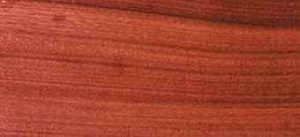
Heartwood Color
| Brown | ||||||||||||
| Red | ||||||||||||
| Purple | ||||||||||||
| Yellow | ||||||||||||
| Pink | ||||||||||||
| Reddish brown |
Sapwood Color
| Red | ||||||||||||
| Brown | ||||||||||||
| Yellow | ||||||||||||
| Pinkish | ||||||||||||
| Greyish | ||||||||||||
| Color not distinct from heartwood |
Grain
| Closed | ||||||||||||
| Interlocked | ||||||||||||
| Wavy |
| Wavy | ||||||||||||
| Interlocked |
Texture
| Fine | ||||||||||||
| Medium |
Luster
| High | ||||||||||||
| Medium |
Natural Durability
| Perishable | ||||||||||||
| Non-resistant to powder post beetles | ||||||||||||
| Non-resistant to termites | ||||||||||||
| Non-durable | ||||||||||||
| Moderately resistant to decay |
Silica Content
| High | ||||||||||||
| Siliceous |
Ease of Drying
| Fairly Easy | ||||||||||||
| Reconditioning Treatement | ||||||||||||
| Little degrade | ||||||||||||
| Difficult |
Tree Size
| Tree height is 20-30 m |
Cutting Resistance
| Easy to saw | ||||||||||||
| Fairly Difficult to Very Difficult to saw | ||||||||||||
| Moderate to fairly difficult to saw |
Gluing
| Glues well |
Wood glues well and yields very good joints
Nailing
| Holds nails well | ||||||||||||
| Easy to nail |
Planing
| Fair to Good Results | ||||||||||||
| Fairly Easy to Very Easy | ||||||||||||
| Fairly Difficult to Very Difficult | ||||||||||||
| Variable machining properties | ||||||||||||
| Special attention required |
Irregularities in the grain may result in variable machining properties. Special care recommended to avoid fuzzy surfaces
Resistance to Impregnation
| Permeable sapwood | ||||||||||||
| Resistant heartwood | ||||||||||||
| Resistant sapwood | ||||||||||||
| Wood very resistant to preservative treatment |
Response to Hand Tools
| Fairly Difficult to Difficult to Work |
Painting
| Difficult to paint |
Gummy substances in pores makes surface treatments difficult
Numerical Data
| Item | Green | Dry | English |
References
Bolza, E., Keating, W.G.,1972,African Timbers – the Properties, Uses and Characteristics of 700 Species,C.S.I.R.O. Div. of Building Research
WCMC. 1992. Conservation Status Listing – Trees and Timbers of the World. World Conservation Monitoring Center-Plants Programme, Cambridge, CB3 ODL, United Kingdom