Scientific Name
Carapa procera
Trade Name
African crabwood
Family Name
Meliaceae
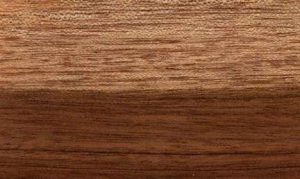
Common Names
African crabwood, Agogo, Alla, Andiroba, Asorowa, Bete, Borowa, Bukulo, Carapa, Cedro macho, Chu-nay-dor-kohn, Crabwood, Ditondondo, Dona, Engang, Engany, Gobi, Guiana crabwood, Ibbegogo, Kowi, Kraa-bise, Krapa, Krupi, Krupia, Kundu, Kwaku-bise, Mbukuli, Mbula-ndobi, Mebukulo, Molonkoto, Monkey cola, Mujogo, Mukasa-kumbi, Munangu, Mutongana, Okoto, Sua-bise, Toon-kor-dah, Toon-kor-doh, Uganda crabwood
Regions of Distribution
Africa, Central America, Latin America, Oceania and S.E. Asia
Countries of Distribution [VIEW MAP]
Angola, Belize, Brazil, Cameroon, Colombia, Congo, Ghana, Ivory Coast, Liberia, Nigeria, Peru, Sierra Leone, Suriname, Uganda, Zaire
Common Uses
Agricultural implements, Boat building (general), Cabinetmaking, Carvings, Chairs, Chests, Concealed parts (Furniture), Desks, Dining-room furniture, Dockwork, Domestic flooring, Fine furniture, Flooring, Fuelwood, Furniture , Furniture components, Furniture, Harbor work, Heavy construction, Joinery, Light construction, Millwork, Mine timbers, Paneling, Piling, Plywood, Poles, Posts, Sporting Goods, Turnery, Veneer: decorative
Environmental Profile
| Abundant/Secure | ||||||||||||
| Rare | ||||||||||||
| Generally secure within its natural habitat | ||||||||||||
| Data source is World Conservation Monitoring Center |
Distribution Overview
Widely distributed in western sections of tropical Africa and extending eastward to Uganda, overlapping in Angola and Zaire with C. grandiflora.
Heartwood Color
| Brown | ||||||||||||
| Red | ||||||||||||
| Reddish brown | ||||||||||||
| Pale red to pink | ||||||||||||
| Dark brown | ||||||||||||
| Yellow to golden-yellow to orange | ||||||||||||
| Greenish to greyish | ||||||||||||
| Darkens upon exposure |
Sapwood Color
| White | ||||||||||||
| Brown | ||||||||||||
| Red | ||||||||||||
| Pinkish | ||||||||||||
| Different than heartwood | ||||||||||||
| Clearly differentiated from the heartwood | ||||||||||||
| Paler than heartwood | ||||||||||||
| White to yellow | ||||||||||||
| Pale brown | ||||||||||||
| Greyish |
Grain
| Straight | ||||||||||||
| Interlocked | ||||||||||||
| Wavy | ||||||||||||
| Closed | ||||||||||||
| Even | ||||||||||||
| Figure | ||||||||||||
| Distinct (figure) |
| Straight | ||||||||||||
| Interlocked | ||||||||||||
| Wavy | ||||||||||||
| Distinct figure |
Texture
| Coarse | ||||||||||||
| Fine | ||||||||||||
| Medium | ||||||||||||
| Fine to medium | ||||||||||||
| Coarse | ||||||||||||
| Medium coarse to coarse |
Luster
| Pronounced | ||||||||||||
| Lustrous | ||||||||||||
| High | ||||||||||||
| Dull |
Natural Durability
| Perishable | ||||||||||||
| Non-durable | ||||||||||||
| Susceptible to insect attack | ||||||||||||
| Resistant to attack from termites (Isoptera) | ||||||||||||
| Non durable | ||||||||||||
| Susceptible to attack from termites (Isoptera) | ||||||||||||
| Susceptible to attack from powder post (Lyctid & Bostrychid) beetles | ||||||||||||
| Moderately durable | ||||||||||||
| Durable | ||||||||||||
| Susceptible to marine borer attack | ||||||||||||
| Resistant to attack from powder post (Lyctid & Bostrychid) beetles | ||||||||||||
| Pinworms (ambrosia beetles) may be present in the standing tree | ||||||||||||
| Pinworms (ambrosia beetles) may be present in the felled log | ||||||||||||
| Pinworms (ambrosia beetles) are commonly present | ||||||||||||
| Perishable | ||||||||||||
| Moderately resistant to termite (Isoptera) attack | ||||||||||||
| Moderately resistant to decay | ||||||||||||
| Moderately resistant to attack by termites |
Odor
| No specific smell or taste |
Light-Induced Color Change
| None | ||||||||||||
| Darker |
Kiln Schedules
| Kiln Drying Rate (in days) is rather slow |
Drying Defects
| Ring Shakes | ||||||||||||
| Splitting | ||||||||||||
| Internal Honeycombing Possible | ||||||||||||
| Checking | ||||||||||||
| Distortion | ||||||||||||
| Slight spring/bow | ||||||||||||
| Severe surface checking | ||||||||||||
| No twisting or warping | ||||||||||||
| Moderate twist/warp | ||||||||||||
| Moderate surface checking |
Ease of Drying
| Rapidly | ||||||||||||
| Medium to High Shrinkage | ||||||||||||
| Reconditioning Treatement | ||||||||||||
| Little degrade | ||||||||||||
| Easy | ||||||||||||
| Variable results. | ||||||||||||
| Air-dries easily with little degrade |
Kiln Drying Rate
| Slow (18-28 days for boards < 32 mm, to 52-84 days for boards >= 63 mm) |
Tree Identification
| Bole/stem form is buttressed | ||||||||||||
| Bole/stem form is fluted |
Tree Size
| Tree height is 20-30 m |
Comments
General finishing qualities are rated as good
Blunting Effect
| Moderate | ||||||||||||
| High to severe | ||||||||||||
| Blunting effect on sawing dry wood is moderate | ||||||||||||
| Blunting effect on machining is moderate |
Boring
| Fair to good results | ||||||||||||
| Fairly easy to very easy |
Carving
| Fair to Good Results | ||||||||||||
| Fairly Easy to Very Easy |
Cutting Resistance
| Cutting Resistance with dry wood is easy |
Gluing
| Carefully Controlled Conditions | ||||||||||||
| Fair to Good Results | ||||||||||||
| Fairly Easy to Very Easy | ||||||||||||
| Easy to glue | ||||||||||||
| Glues well |
Mortising
| Fair to Good Results | ||||||||||||
| Fairly Easy to Very Easy |
Moulding
| Fair to Good Results | ||||||||||||
| Fairly Easy to Very Easy |
Movement in Service
| Excellent Stability – Small Movement | ||||||||||||
| Fair to Good Stability – Medium Movement | ||||||||||||
| Small | ||||||||||||
| Stable |
Fair to good dimensional stability after seasoning
Nailing
| Pre-Boring Recommended | ||||||||||||
| Nails hold poorly | ||||||||||||
| Holds nails well | ||||||||||||
| Easy to nail |
Planing
| Fair to Good Results | ||||||||||||
| Fairly Easy to Very Easy | ||||||||||||
| Easy to plane | ||||||||||||
| Special attention required | ||||||||||||
| Planes well, to a good finish | ||||||||||||
| Planes to a satisfactory finish |
Interlocked grain may may tear while planing
Resistance to Impregnation
| Resistant sapwood | ||||||||||||
| Resistant heartwood | ||||||||||||
| Heartwood is extremely resistant |
Resistance to Splitting
| Poor | ||||||||||||
| Good |
Response to Hand Tools
| Easy to machine |
Routing & Recessing
| Fair to Good Results | ||||||||||||
| Fairly Easy to Very Easy |
Sanding
| Fair to Good Results | ||||||||||||
| Fairly Easy to Very Easy |
Turning
| Fair to Good Results | ||||||||||||
| Fairly Easy to Very Easy | ||||||||||||
| Good results | ||||||||||||
| Good results | ||||||||||||
| Easy to turn |
Steam Bending
| Very Good to Excellent Results | ||||||||||||
| Fairly Easy to Very Easy |
Polishing
| Fair to Good Results | ||||||||||||
| Fairly Easy to Very Easy | ||||||||||||
| Satisfactory results | ||||||||||||
| Polishing characteristics are good to very good | ||||||||||||
| Good results |
Staining
| Fair to Good Results | ||||||||||||
| Fairly Easy to Very Easy | ||||||||||||
| Very Good to Excellent Results | ||||||||||||
| Finish is generally satisfactory |
Strength Properties
| Max. crushing strength = high | ||||||||||||
| Bending strength (MOR) = high | ||||||||||||
| Shrinkage, Tangential = large | ||||||||||||
| Shrinkage, Radial = large | ||||||||||||
| Modulus of Elasticity (stiffness) = medium | ||||||||||||
| Bending strength (MOR) = very high | ||||||||||||
| Shrinkage, Radial = fairly large | ||||||||||||
| Bending strength (MOR) = medium | ||||||||||||
| Shrinkage, Tangential = moderate | ||||||||||||
| Shrinkage, Tangential = fairly large | ||||||||||||
| Shearing strength (parallel to grain) = medium | ||||||||||||
| Hardness (side grain) = soft | ||||||||||||
| Hardness (side grain) = medium | ||||||||||||
| Density (dry weight) = 53-60 lbs/cu. ft. | ||||||||||||
| Shrinkage, Volumetric = large | ||||||||||||
| Shrinkage, Radial = moderate | ||||||||||||
| Shearing strength (parallel to grain) = low | ||||||||||||
| Density (dry weight) = 38-45 lbs/cu. ft. | ||||||||||||
| Shrinkage, Volumetric = moderate | ||||||||||||
| Shrinkage, Volumetric = fairly large | ||||||||||||
| Shrinkage, Radial = small | ||||||||||||
| Modulus of Elasticity (stiffness) = high | ||||||||||||
| Max. crushing strength = medium | ||||||||||||
| Hardness (side grain) = very soft | ||||||||||||
| Density (dry weight) = 61-67 lbs/cu. ft. | ||||||||||||
| Density (dry weight) = 46-52 lbs/cu. ft. | ||||||||||||
| Bending strength (MOR) = low |
The wood has high density
Numerical Data
| Item | Green | Dry | English |
| Bending Strength | 14333 | 21246 | psi |
| Density | 48 | lbs/ft3 | |
| Hardness | 1182 | lbs | |
| Maximum Crushing Strength | 6526 | 9501 | psi |
| Shearing Strength | 1947 | psi | |
| Stiffness | 1748 | 2018 | 1000 psi |
| Specific Gravity | 0.55 | ||
| Weight | 49 | 40 | lbs/ft3 |
| Radial Shrinkage | 5 | % | |
| Tangential Shrinkage | 9 | % | |
| Volumetric Shrinkage | 13 | % | |
| Item | Green | Dry | Metric |
| Bending Strength | 1007 | 1493 | kg/cm2 |
| Density | 769 | kg/m3 | |
| Hardness | 536 | kg | |
| Maximum Crushing Strength | 458 | 668 | kg/cm2 |
| Shearing Strength | 136 | kg/cm2 | |
| Stiffness | 122 | 141 | 1000 kg/cm2 |
| Specific Gravity | 0.55 | ||
| Weight | 785 | 641 | kg/m3 |
| Radial Shrinkage | 5 | % | |
| Tangential Shrinkage | 9 | % |
References
Bolza, E., Keating, W.G.,1972,African Timbers – the Properties, Uses and Characteristics of 700 Species,C.S.I.R.O. Div. of Building Research
Brown, W.H.,1969,Properties and uses of Tropical hardwoods in the United Kingdom. Part 1,Nonstructural properties and uses.,Conference on Tropical hardwoods SC-5/TN-5, Syracuse University
Chudnoff, M.,1984,Tropical Timbers of the World,U.S.A. Department of Agriculture, Forest Service, Forest Products,Laboratory, Madison.
Cooper, G.P., Record, S.J.,1931,The Evergreen Forests of Liberia,Yale School Forestry Bulletin,31,pp1-153
Dalziel, J.M.,1937,The Useful Plants of West Tropical Africa,Crown Agents for the Colonies
Erfurth, T., Rusche, H.,1976,The Marketing of Tropical Wood A. Wood Species from African Moist Forests,F.A.O. Forestry Department
Erfurth, T., Rusche, H.,1976,The Marketing of Tropical Wood B. Wood Species from S. American Tropical,Moist Forests,F.A.O. Forestry Department
Forests Products Research Laboratory, U.K.,1956,A Handbook of Hardwoods,Forest Products Research Laboratory, Princes Risborough, Department of,Science and Industrial Research, Building Research Establishment
Fouarge, J.,1950,Appropriation de Bois Congolais aux Besoins de la Metropole,I.N.E.A.C. Belgium Serie Technique,No.38
Fouarge, J.,1953,Bois du Congo,I.N.E.A.C.
Hughes, J.F.,1971,The Principal Timber Trees of Cameroon,Unpublished data
Irvine, F.R.,1961,Woody Plants of Ghana,O.U.P. London
Jay, B.A.,1968,Timbers of West Africa,TRADA, Red Booklet Series
Keay, R.W.J. 1989. Trees of Nigeria. Revised Version of Nigerian Trees. Clarendon Press, Oxford.
Kryn, J.M., Forbes, E.W.,1959,The Woods of Liberia,U.S.A. Department of Agriculture,Forest Products Laboratory, Madison,,Report No. 2159
Lebacq, L., Dechamps, R.,1967,Contribution a un Inventaire de Forets du Nord-kasai,Musee Royal de L’Afrique Centrale Belgium Annals Series 8 No.5
Monteiro, R.F.M.,1962,Carapa procera D.C.,Min. do Ultramar Junta de Invest. do Ultramar Lisbon
Sallenave, P.,1971,Proprietes Physiques et Mecaniques des Bois Tropicaux (Deuxieme,Supplement,C.T.F.T.
Takahashi, A.,1975,Compilation of data on the Mechanical Properties of Foreign Woods (Part 2,Central and South America,Shimane University, Japan, Research Report on Foreign Wood No.4
Takahashi, A.,1978,Compilation of Data on the Mechanical Properties of Foreign Woods (Part,III) Africa,Shimane University, Japan, Research Report on Foreign Wood No. 7
Tanzania Forest Department,1960,Cassipourea malosana (Pillarwood,Tanzania Forest Dept. Util. Sec. Moshi – Timbers of Tanganyika
Vink, A.T.,1965,Surinam Timbers,Surinam Forest Service Paramaribo,3rd rev. ed.
Wangaard, F.F., Muschler, A.F.,1952,Properties and Uses of Tropical Woods 3,Tropical Woods,14(98, pp1-190
WCMC. 1992. Conservation Status Listing: Trees and Timbers of the World. World Conservation Monitoring Center (WCMC, Plants Program, 219 Huntingdon Road, Cambridge, CB3 ODL, United Kingdom.