Scientific Name
Chlorophora excelsa
Trade Name
Iroko
Family Name
Moraceae
Synonyms
Morus excelsa, Chlorophora alba, Chlorophora excelsa, Chlorophora tenuifolia, Maclura excelsa, Milicia africana
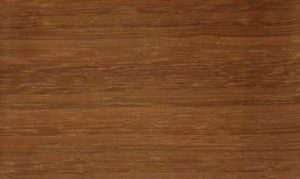

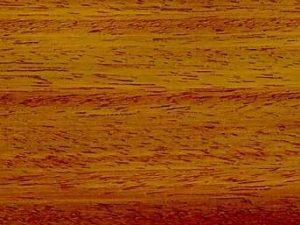
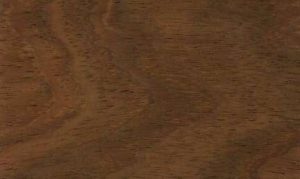
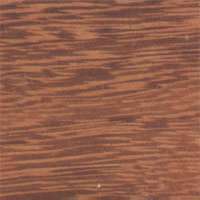
Common Names
Abang, African oak, African teak, Agui, Akede, Bakana, Bang, Banghi, Bobang, Bonzo, Bush oak, Bush teak, Bwagashanga, Corkwood, Elowa, Elua, Elui, Emang, Geh, Guele, Guh, Gutumba, Intule, Iroko, Kambala, Kimurumba, Logo asagu, Loko, Lusanga, Mamangi, Mandji, Mbala, Mbara, Mereira, Mgunda, Minarui, Mokongo, Moloundou, Molundu, Moreira, Muberry, Mucoco, Murie, Murumba, Mururi, Mutumba, Mutumbav, Muvule, Mvule, Mvuli, Nsan, Ntong, Obas tree, Odji, Odoum, Odum, Oduna, Ofryio, Olia, Olua, Olwaa, Oroko, Oroko ulokoodigpe, Rock elm, Roco, Rokko, Sanga, Semei, Semli, Sime, Simli, Simme, Ssare, Teak, Tema, Toumbohiro noir, Tule, Tule mufala, Uklobce, Ulok, Uloko-mushinogbon, Ulundu, Vai
Regions of Distribution
Africa
Countries of Distribution [VIEW MAP]
Angola, Benin, Burundi, Cameroon, Congo, Gabon, Gambia, Ghana, Ivory Coast, Kenya, Liberia, Mozambique, Nigeria, Rwanda, Sierra Leone, Tanzania, Togo, Uganda, Zaire, Zimbabwe
Common Uses
Agricultural implements, Boat building (general), Boat building, Boat building: decking, Boat building: framing, Boat building: planking, Boxes and crates, Bridge construction, Building materials, Cabinetmaking, Canoes, Carvings, Chairs, Chests, Concealed parts (Furniture), Cooperages, Core Stock, Decks, Decorative veneer, Desks, Dining-room furniture, Domestic flooring, Dowell pins, Dowells, Drawer sides, Excelsior, Factory flooring, Figured veneer, Fine furniture, Floor lamps, Flooring, Framing, Furniture , Furniture components, Furniture squares or stock, Furniture, Golf club heads, Hatracks, Heavy construction, Interior construction, Interior trim, Joinery (external): ground contact, Joinery, Kitchen cabinets, Lifeboats, Light construction, Living-room suites, Lock gates, Marine construction, Millwork, Mine timbers, Moldings, Musical instruments: percussion, Office furniture, Paneling, Parquet flooring, Particleboard, Piling, Plain veneer, Plywood, Posts, Pulp/Paper products, Radio – stereo – TV cabinets, Railroad ties, Rustic furniture, Shingles, Stairworks, Tables, Turnery, Vats, Vehicle parts, Veneer, Veneer: decorative, Wheel spokes, Wheels
Environmental Profile
| Vulnerable | ||||||||||||
| Vulnerable in parts of its natural habitat | ||||||||||||
| Secure in many areas of its range | ||||||||||||
| Data source is World Conservation Monitoring Center |
It is classified as Vulnerable in Cameroon, Ivory Coast, Kenya, and Zimbabwe. It has also been classified as Endangered in Benin and Congo
Heartwood Color
| Brown | ||||||||||||
| Yellow | ||||||||||||
| White | ||||||||||||
| Red | ||||||||||||
| Orange | ||||||||||||
| Tan | ||||||||||||
| Brown | ||||||||||||
| Yellow to golden-yellow to orange | ||||||||||||
| Pale brown | ||||||||||||
| Greenish to greyish | ||||||||||||
| Yellow bands | ||||||||||||
| Dark brown |
Lighter vessel lines are conspicuous on flat sawn surfaces. Large deposits of calcium carbonate, with darker colored surrounding material are usually present. Yellow bands of soft tissue are reported to form a zig-zag pattern on all surfaces.
Sapwood Color
| Red | ||||||||||||
| Brown | ||||||||||||
| Yellow | ||||||||||||
| White | ||||||||||||
| White to yellow | ||||||||||||
| Well defined | ||||||||||||
| Same as heartwood | ||||||||||||
| Paler than heartwood |
Grain
| Interlocked | ||||||||||||
| Figure | ||||||||||||
| Distinct (figure) | ||||||||||||
| Stripe (figure) | ||||||||||||
| Wavy | ||||||||||||
| Straight | ||||||||||||
| Rippled (figure) | ||||||||||||
| Closed | ||||||||||||
| Even | ||||||||||||
| Mottled (figure) | ||||||||||||
| Growth rings (figure) | ||||||||||||
| Variable (figure) |
| Interlocked | ||||||||||||
| Distinct figure | ||||||||||||
| Wavy | ||||||||||||
| Striped figure | ||||||||||||
| Straight | ||||||||||||
| Rippled figure | ||||||||||||
| Mottled figure | ||||||||||||
| Moderately interlocked | ||||||||||||
| Irregular color | ||||||||||||
| Clear growth rings (figure) |
Texture
| Fine | ||||||||||||
| Medium | ||||||||||||
| Uniform | ||||||||||||
| Even or uniform | ||||||||||||
| Coarse | ||||||||||||
| Medium to coarse | ||||||||||||
| Medium | ||||||||||||
| Medium coarse and uniform |
Luster
| Medium | ||||||||||||
| High | ||||||||||||
| Lustrous | ||||||||||||
| Pronounced | ||||||||||||
| Low |
Natural Growth Defects
| Gum and mineral deposits | ||||||||||||
| Reaction wood may be found |
Natural Durability
| Perishable | ||||||||||||
| Non-resistant to powder post beetles | ||||||||||||
| Non-durable | ||||||||||||
| Susceptible to insect attack | ||||||||||||
| Very durable | ||||||||||||
| Resistant to attack from termites (Isoptera) | ||||||||||||
| Susceptible to attack from powder post (Lyctid & Bostrychid) beetles | ||||||||||||
| Moderately resistant to termite (Isoptera) attack | ||||||||||||
| Pinworms (ambrosia beetles) often present in the standing tree | ||||||||||||
| Resistant to attack from pinworms (ambrosia beetles) | ||||||||||||
| Resistant to attack from marine borers | ||||||||||||
| Pinworms (ambrosia beetles) are commonly present | ||||||||||||
| Durable | ||||||||||||
| Moderately resistant to marine borer attack | ||||||||||||
| Sapwood susceptible to attack by powder post beetles | ||||||||||||
| Sapwood is highly resistant to termite attack | ||||||||||||
| Resistant to attack from powder post (Lyctid & Bostrychid) beetles | ||||||||||||
| Moderate weathering properties | ||||||||||||
| Heartwood resistant to decay | ||||||||||||
| Heartwood is susceptible to attack by dry-wood insects |
Light-Induced Color Change
| Darker |
Toxicity
| Unspecified toxicity | ||||||||||||
| Dermatitic effects | ||||||||||||
| Respiratory effects |
Kiln Schedules
| Drying (speed) is fast | ||||||||||||
| UK=E US=T6D2/T3D1 Fr=5 | ||||||||||||
| Dry at a moderate speed | ||||||||||||
| Kiln Drying Rate (in days) is rapid | ||||||||||||
| Kiln Drying Rate (in days) is fairly rapid | ||||||||||||
| T6 – D2 (4/4) US | ||||||||||||
| T3 – D1 (8/4) US |
Drying Defects
| Distortion | ||||||||||||
| Slight end splitting | ||||||||||||
| No end splitting | ||||||||||||
| Slight twist/warp | ||||||||||||
| No twisting or warping | ||||||||||||
| Slight surface checking | ||||||||||||
| Distortion (twist/warp) is likely |
Ease of Drying
| Thick Stock Requires Care | ||||||||||||
| Rapidly | ||||||||||||
| Moderately Difficult to Difficult | ||||||||||||
| Requires special attention | ||||||||||||
| Easy |
Kiln Drying Rate
| Naturally dries quickly | ||||||||||||
| Rapid (<10 days for boards < 32 mm, to <30 days for boards >= 63 mm) | ||||||||||||
| Fairly rapid (11-17 days for boards under 32 mm, to 31-51 days for boards greater than 63 mm) |
Tree Identification
| Bole/stem form is buttressed | ||||||||||||
| Bole/stem form is cylindrical | ||||||||||||
| Bole/stem form is not buttressed | ||||||||||||
| Bole/stem form is straight |
Tree Size
| Tree height is 30-40 m | ||||||||||||
| Bole length is 10-20 m | ||||||||||||
| Tree height is 20-30 m | ||||||||||||
| Bark width is 5-10 mm | ||||||||||||
| Tree height is 40-50 m |
Product Sources
The ITTO reports that the species is a regular source of timber. Timber export is regular except in the Ivory Coast where exportation of the material in log form is prohibited.
Iroko is available in moderate quantities in long lengths, wide boards, and in the form of veneers on the European market are priced in the same range as the lower cost hardwoods.
Availability in the U.S. is rather limited, but Iroko is sold at comparatively inexpensive prices when available. Iroko is substituted for Teak in many applications, since it performs just as well as Teak and is less expensive.
Comments
Chemical resistant
General finishing qualities are rated as good
Blunting Effect
| Blunting effect on machining is severe | ||||||||||||
| Blunting effect on machining is moderate | ||||||||||||
| Blunting effect on sawing green wood is moderate | ||||||||||||
| Blunting effect on sawing dry wood is moderate | ||||||||||||
| Blunting effect on machining is fairly severe | ||||||||||||
| Severe and rapid blunting effect |
Boring
| Fairly difficult to very difficult | ||||||||||||
| Easy |
Cutting Resistance
| Easy to saw | ||||||||||||
| Cutting Resistance with green wood is easy | ||||||||||||
| Easy to saw | ||||||||||||
| Difficult to saw | ||||||||||||
| Cutting Resistance with dry wood is easy |
Gluing
| Fair to Good Results | ||||||||||||
| Fairly Easy to Very Easy | ||||||||||||
| Easy to glue | ||||||||||||
| Glues well | ||||||||||||
| Casein glue may produce black glue line |
Mortising
| Fair to Good Results | ||||||||||||
| Fairly Difficult to Very Difficult | ||||||||||||
| Finishes well | ||||||||||||
| Easy to mortise |
Moulding
| Very Good to Excellent Results | ||||||||||||
| Fairly Difficult to Very Difficult | ||||||||||||
| Fair to Good Results | ||||||||||||
| Easy to mould |
Movement in Service
| Unstable with Poor Stability – Large Movement | ||||||||||||
| Fair to Good Stability – Medium Movement | ||||||||||||
| Small | ||||||||||||
| Stable |
Nailing
| Fair to Good Results | ||||||||||||
| Pre-Boring Recommended | ||||||||||||
| Fairly Easy to Very Easy | ||||||||||||
| Very Good to Excellent Results | ||||||||||||
| Easy to nail | ||||||||||||
| Holds nails well | ||||||||||||
| Good nailing properties | ||||||||||||
| Difficult to nail |
Planing
| Fairly Easy to Very Easy | ||||||||||||
| Fair to Good Results | ||||||||||||
| Very Good to Excellent Results | ||||||||||||
| Good planing results, but can be variable | ||||||||||||
| Easy to plane | ||||||||||||
| Difficult to plane | ||||||||||||
| Areas of interlocked grain may cause tearing |
Resistance to Abrasion
| Moderate |
Resistance to Impregnation
| Permeable sapwood | ||||||||||||
| Resistant heartwood | ||||||||||||
| Permeable heartwood | ||||||||||||
| Resistant sapwood | ||||||||||||
| Heartwood is highly resistant | ||||||||||||
| Sapwood is extremely resistant |
Response to Hand Tools
| Easy to Work | ||||||||||||
| Easy to machine | ||||||||||||
| Moderate working qualities | ||||||||||||
| Variable qualities | ||||||||||||
| Satisfactorily | ||||||||||||
| Difficult to machine |
Routing & Recessing
| Fairly Difficult to Very Difficult | ||||||||||||
| Routing is easy |
Sanding
| Good sanding finish | ||||||||||||
| Easy to sand |
Screwing
| Fair to Good Results | ||||||||||||
| Very Good to Excellent Results | ||||||||||||
| Fairly Easy to Very Easy | ||||||||||||
| Easy to screw | ||||||||||||
| Screwing yields good results | ||||||||||||
| Satisfactory screwing properties |
Turning
| Fairly Difficult to Very Difficult | ||||||||||||
| Easy to turn |
Veneering Qualities
| Suitable for slicing | ||||||||||||
| Veneers easily | ||||||||||||
| Veneers moderately easy | ||||||||||||
| Suitable for peeling | ||||||||||||
| Good gluing qualities | ||||||||||||
| Suitable for slicing | ||||||||||||
| Easy to cut | ||||||||||||
| Bolt preparation requires steaming |
Steam Bending
| Fair to Good Results | ||||||||||||
| Moderate | ||||||||||||
| Good |
Painting
| Surface degreasing is recommended | ||||||||||||
| Satisfactory results | ||||||||||||
| Poor results |
Polishing
| Satisfactory results | ||||||||||||
| Good results |
Staining
| Finish is generally good | ||||||||||||
| Stains well | ||||||||||||
| Some surface preparation needed | ||||||||||||
| Reacts with Iron to discolour wood |
Varnishing
| Satisfactory after treatment | ||||||||||||
| Poor turning properties |
Strength Properties
| Density (dry weight) = 38-45 lbs/cu. ft. | ||||||||||||
| Hardness (side grain) = medium | ||||||||||||
| Max. crushing strength = medium | ||||||||||||
| Modulus of Elasticity (stiffness) = very low | ||||||||||||
| Shrinkage, Radial = very small | ||||||||||||
| Bending strength (MOR) = medium | ||||||||||||
| Bending strength (MOR) = low | ||||||||||||
| Shrinkage, Tangential = very small | ||||||||||||
| Shearing strength (parallel to grain) = very low | ||||||||||||
| Density (dry weight) = 46-52 lbs/cu. ft. | ||||||||||||
| Shrinkage, Radial = small | ||||||||||||
| Modulus of Elasticity (stiffness) = low | ||||||||||||
| Shearing strength (parallel to grain) = medium | ||||||||||||
| Max. crushing strength = high | ||||||||||||
| Toughness-Hammer drop (Impact Strength) = low | ||||||||||||
| Max. crushing strength = low | ||||||||||||
| Shearing strength (parallel to grain) = high | ||||||||||||
| Hardness (side grain) = soft | ||||||||||||
| Shearing strength (parallel to grain) = low | ||||||||||||
| Hardness (side grain) = hard | ||||||||||||
| Shrinkage, Tangential = small | ||||||||||||
| Shrinkage, Radial = moderate | ||||||||||||
| Density (dry weight) = 31-37 lbs/cu. ft. | ||||||||||||
| Very heavy | ||||||||||||
| Toughness-Hammer drop (Impact Strength) = very low | ||||||||||||
| Shrinkage, Radial = fairly large | ||||||||||||
| Modulus of Elasticity (stiffness) = medium | ||||||||||||
| Max. crushing strength (stiffness) = very low | ||||||||||||
| Hardness = medium | ||||||||||||
| Density = high | ||||||||||||
| Compression strength (parallel to grain) = high | ||||||||||||
| Bending strength (MOR) = very low | ||||||||||||
| Bending strength (MOR) = high |
Numerical Data
| Item | Green | Dry | English |
| Bending Strength | 9743 | 13581 | psi |
| Crushing Strength | 1744 | psi | |
| Density | 42 | lbs/ft3 | |
| Hardness | 1603 | lbs | |
| Impact Strength | 27 | 24 | inches |
| Maximum Crushing Strength | 4551 | 7398 | psi |
| Shearing Strength | 1604 | psi | |
| Static Bending | 7889 | psi | |
| Stiffness | 1231 | 1569 | 1000 psi |
| Toughness | 362 | inch-lbs | |
| Work to Maximum Load | 9 | 10 | inch-lbs/in3 |
| Specific Gravity | 0.51 | 0.7 | |
| Weight | 44 | 44 | lbs/ft3 |
| Radial Shrinkage | 3 | % | |
| Tangential Shrinkage | 5 | % | |
| Item | Green | Dry | Metric |
| Bending Strength | 685 | 954 | kg/cm2 |
| Crushing Strength | 122 | kg/cm2 | |
| Density | 673 | kg/m3 | |
| Hardness | 727 | kg | |
| Impact Strength | 68 | 60 | cm |
| Maximum Crushing Strength | 319 | 520 | kg/cm2 |
| Shearing Strength | 112 | kg/cm2 | |
| Static Bending | 554 | kg/cm2 | |
| Stiffness | 86 | 110 | 1000 kg/cm2 |
| Toughness | 417 | cm-kg | |
| Work to Maximum Load | 0.63 | 0.70 | cm-kg/cm3 |
| Specific Gravity | 0.51 | 0.7 | |
| Weight | 705 | 705 | kg/m3 |
| Radial Shrinkage | 3 | % |
References
Abankwah, J.M.,1970,A field test for the Natural Relative Durability of Timbers against Fungal,Decay,Building and Road Res. Inst. Ghana Research Note,No.33
Arkwright, P.,1958,Know your Timbers No.50 Iroko,Woodworking Industry,15(4,p223
Banks, C.H. and J.P. Schoeman. 1963. Railway Sleeper and Crossing Timbers. Bulletin No. 41, Republic of South Africa. The Government Printer, Pretoria, South Africa.
Banks, C.H., Schoeman, J.P., Otto, K.P.,1977,The Mechanical Properties of Timbers with particular reference to South,Africa,South African Forestry Research Institute Bulletin,(Ed.,Schoeman, J.P. 1973 & Otto K.P. 1976,No.48
Banks, C.H.,1954,The Mechanical Properties of Timbers with Particular Reference to those,grown in the Union of South Africa,Journal of the South African Forestry Association,No. 24 pp.44-65,[South,African Forestry Journal]
Banks, C.H.,1970,The Durability of South African Wood and Wood Base Building Materials,South African Forestry Journal,No.75
Bois et Forets des Tropiques,1973,Iroko (Chlorophora excelsa,Bois et Forets des Tropiques,No.148,pp33-48
Bois, P.J.,1966,The Strength Properties of Tanzania Timbers,Tanzania Forest Div. Util. Sec. Moshi Tech. Note, No.35
Bolza, E., Keating, W.G.,1972,African Timbers – the Properties, Uses and Characteristics of 700 Species,C.S.I.R.O. Div. of Building Research
Bolza, E.,1976,Timber and Health,Div. Building Res. C.S.I.R.O. Australia
Bond, C.W.,1950,Colonial Timbers,Sir Issac Pitman & Sons Ltd. London
British Woodworking Federation. 1995. Which Wood . Published by the British Woodworking Federation, Broadway House, Tothill Street, London.
Brown, W.H.,1969,Properties and uses of Tropical hardwoods in the United Kingdom. Part 1,Nonstructural properties and uses.,Conference on Tropical hardwoods SC-5/TN-5, Syracuse University
Bryce, J.M.,1967,Commercial Timbers of Tanzania,Tanzanian Forestry Division Util. Sec. Moshi
Chudnoff, M.,1984,Tropical Timbers of the World,U.S.A. Department of Agriculture, Forest Service, Forest Products,Laboratory, Madison.
Clifford, N.,1953,Commercial Hardwoods – Their Characteristics Identification and,Utilization,Sir Isaac Pitman & Sons Ltd. London
Cooper, G.P., Record, S.J.,1931,The Evergreen Forests of Liberia,Yale School Forestry Bulletin,31,pp1-153
Cox, H.A.,1939,A Handbook of Empire Timbers,Forest Products Research Laboratory, Princes Risborough
Desch, H.E.,1947,The Teaks,Wood,12(11,pp324-5
Edlin, H.L. 1969. What Wood is That?: A Manual of Wood Identification. A Studio Book, The Viking Press, New York.
Eggeling, W.J., Harris, C.M.,1939,Fifteen Uganda Timbers,Forest Trees and Timbers of the British Empire, Imperial Forestry,Institute, Oxford,Part 4
Eggeling, W.J.,1940,Indigenous Trees of Uganda,Govt. Printer Entebbe Uganda
Erfurth, T., Rusche, H.,1976,The Marketing of Tropical Wood A. Wood Species from African Moist Forests,F.A.O. Forestry Department
Farmer, R.H.,1972,Handbook of Hardwoods,HMSO
Ferreirinha, M.P.,1955,Catalogo des Madeiras de Mocambique (pt 1,Min. do Ultramar Junta Invest. do Ultranar Memorias Serie Botanica, 2
Forest Products Research Laboratory, U.K.,1945,A Handbook of Empire Timbers,Department of Scientific and Industrial Research Forest Products Research
Forest Products Research Laboratory, U.K.,1955,Kiln-Drying Schedules,Forest Products Research Laboratory, Princes Risborough, Department of,Science and Industrial Research, Building Research Establishment Leaflet,No.42
Forests Products Research Laboratory, U.K.,1956,A Handbook of Hardwoods,Forest Products Research Laboratory, Princes Risborough, Department of,Science and Industrial Research, Building Research Establishment
Fouarge, J.,1950,Appropriation de Bois Congolais aux Besoins de la Metropole,I.N.E.A.C. Belgium Serie Technique,No.38
Fouarge, J.,1970,Essais Physiques,Mecaniques et de Durabilite de Bois de la Republique,Democratique du Congo,I.N.E.A.C. Belgium Serie Technique,No.76
France – C.T.F.T./C.T.B.,1982,Guide pour le Choix des Essences Deroulables-pour la fabrication du,contreplaque,C.T.F.T./C.T.B. France
France – C.T.F.T.,1966,Bois Tropicaux,C.T.F.T. Publ.,12
France – C.T.F.T.,1973,Investigations and Tests carried out on Tropical Timber by several,Research Laboratories,CTFT
France – C.T.F.T.,1977,Promotion of African Timbers – New Species,CTFT,35 Leaflets
France – Comite Nacional des Bois Coloniaux,1931,Etude Physique et Mecanique des Bois Coloniaux,Assoc. Colonies-Sciences & Comite National des Bios Coloniaux, Paris,,France
Ghana – Timber Marketing Board,1969,Ghana Hardwoods,Timber Marketing Board
Harrar, E.S.,1942,Some Physical Properties of Modern Cabinet Woods 3. Directional and Volume,Shrinkage,Tropical Woods,9(71, pp26-32
Hedin, L.,1930,Etude sur la Foret et les Bois du Cameroun,Haut-Commissaire de la Cameroun
HMSO. 1972. Handbook of Hardwoods. 2nd Edition. Revised by R.H. Farmer. Department of the Environment, Building Research Establishment, Princes Risborough Laboratory, Princes Risborough, Aylesbury, Buckinghamshire.
Howard, A.L.,1948,A Manual of Timbers of the World.,Macmillan & Co. Ltd. London 3rd ed.
Hughes, J.F.,1971,The Principal Timber Trees of Cameroon,Unpublished data
Irvine, F.R.,1961,Woody Plants of Ghana,O.U.P. London
ITTO. 1986. Tropical Timber Atlas, Volume 1 – Africa. International Tropical Timber Organization (ITTO) and Centre Technique Forestier Tropical (CTFT, 45bis, Avenue de la Belle Gabrielle, Nogent-sur-Marne Cedex, France.
Jay, B.A.,1968,Timbers of West Africa,TRADA, Red Booklet Series
Keay, R.W.J.,1964,Nigerian Trees Vol.2,Nigeria Federal Department of Forest Research, Ibadan
Kennedy, J.D.,1936,Forest Flora of Southern Nigeria,Government Printer Lagos
Kinloch, D., Miller, W.A.,1949,Gold Coast Timbers,Govt. Printer Gold Coast
Kline, M. 1982. Chlorophora excelsa – Iroko. In A Guide to Useful Woods of the World. Flynn Jr., J.H., Editor. King Philip Publishing Co., Portland, Maine. 1994. Page 113-114.
Kryn, J.M., Forbes, E.W.,1959,The Woods of Liberia,U.S.A. Department of Agriculture,Forest Products Laboratory, Madison,,Report No. 2159
Kukachka, B.F.,1970,Properties of Imported Tropical Woods,Forest Research Paper FPL 125
Kynoch, W., Norton, N.A.,1938,Mechanical Properties of certain tropical woods chiefly from S. America,School of Forestry and Conservation, University of Michigan Bulletin,No.7
Lavers, G. M. 1966. The Strength Properties of Timbers. Forest Products Research Bulletin, No. 50. Ministry of Technology, Her Majesty’s Stationery Office, London. (Green values only)
Lavers, G.M.,1983,The Strength Properties of Timber (3rd ed. revised Moore G.L.,Forest Products Research Laboratory, Princes Risborough, Building Research,Establishment Report (formerly Bulletin No.50)
Lebacq, L., Dechamps, R.,1967,Contribution a un Inventaire de Forets du Nord-kasai,Musee Royal de L’Afrique Centrale Belgium Annals Series 8 No.5
Lincoln, W.A. 1986. World Woods in Color. Linden Publishing Co. Inc., Fresno, California.
Meniaud, J., Bretonnet, F.,1926,Les Bois Coloniaux d’Afrique dans l’Industrie,Publ. de l’Agence Gen. des Colonies
Murira, K.,1984,Natural Durability Tests of Tanzanian Timbers 1955 – 1982,Tanzania Forestry Research Institute, Timber Utilisation Research Centre,,Moshi.
Negi, G.S., Bhatia, D.N.,1958,Physical and Mechanical Properties of Woods tested at F.R.I. Report No.10,Indian Forest Records (N.S.) Timber Mechanics,1(11,pp171-18
Patterson, D.N.,1963,The strength of Kenya timbers, their derivation and application,Kenya Forestry Department Research Bulletin,No.23
Patterson, D.,1988,Commercial Timbers of the World, 5th Edition,Gower Technical Press
Pieters, A.,1977,Essences Forestieres du Zaire,R.U.G. Gent Belguim
Record, S.J., Hess, R.W.,1940,American Woods of the Family Moraceae,Tropical Woods,8(61,pp11-54
Rendle, B.J.,1969,World Timbers (3 Vols.,Ernest Benn Ltd. London
Sallenave, P.,1955,Proprietes Phyiques et Mecaniques des Bois Tropicaux de l’Union Francaise,C.T.F.T
Sallenave, P.,1964,Proprietes Physiques et Mecaniques des Bois Tropicaux (Premier Supplement,C.T.F.T. Publ.,no.23
Savill, P.S., Fox, J.E.D.,1967,Trees of Sierra Leone
Scott, M.H.,1950,Notes on the more Important African Timbers Imported into the Union with,Special Ref. to Port. E.A. Species,Journal of the South African Forestry Association,No.19,pp18-62,[South,African Forestry Journal]
South African Lumber Millers Assoc.,1969,Notes on some Commercially Available Hardwoods,S.A.L.M.A. Timber Info. Centre Timber Technical Guide,No.1
Spalt, H.A., Stern, W.L.,1956,Survey of Africa Woods 2,Tropical Woods 16(106) pp65-97
Spalt, H.A., Stern, W.L.,1956,Survey of African woods 1,Tropical Woods,115(105,pp 13-38
Streets, R.J.,1962,Exotic Forest Trees in the British Commonwealth,Clarendon Press Oxford
T.R.A.D.A.,1982,Timbers for river and sea constructions,TRADA Wood Information Section 0, Sheet 6
Tack, C.H.,1969,Uganda Timbers,Govt. Printer Uganda
Tanzania – Timber Marketing Co. Ltd.,1978,Timber from Tanzania
Tanzania Forest Department,1964,Chlorophora excelsa (Iroko,Tanzania Forest Div. Util. Sec. Moshi – Timbers of Tanganyika
Tanzania Forest Department,1966,Flooring Timbers,Tanzania Forest Div. Util. Sec. Moshi – Timbers of Tanganyika
Tanzania Forest Division,1966,Kiln Drying Schedules for Tanzania Timbers Technical Note no.38,Tanzania Forest Div. Util. Sec. Moshi
Taylor, C.J.,1960,Synecology and Silviculture in Ghana,University College of Ghana Thomas Nelson and Sons
Thomas, A.V.,1964,Timbers Used in the Boat Building Industry A Survey,Department of Scientific and Industrial Research Forest Products Research,Laboratory
Timber Development Association Ltd.,1955,World Timbers (3 Vols.,Timber Development Association Ltd.
Timber Information Assoc. Ltd.,1947,Notes on East African Timbers,TRADA, Timber Information, No.28
Titmuss, F.H.,1965,Commercial Timbers of the World,Technical Press Ltd., London, 3rd edition
U.S.D.A. Forest Service,1952,Foreign Woods Imported into the U.S.,F.P.L. Madison Rep., No. R1903-12
Uganda Forest Department,1954,Iroko (Chlorophora excelsa,Uganda Forestry Department Timber Leaflet, No.10
Uganda Forest Department,1954,The Mechanical Properties of some Ugandan Timbers,Uganda Forest Department Timber Leaflet,No.1
Uganda Forest Department,1969,The Shrinkage of Some Ugandan Timbers,Uganda Forestry Department Timber Leaflet,No.47
Unwin, A.H.,1920,West African Forests and Forestry,T. Fisher Unwin Ltd. London
Voorhoeve, A.G.,1965,Liberian High Forest Trees,Centre for Agric. Publishing and Documentation, Wageningen
Wimbush, S.H.,1950,Catalogue of Kenya Timbers,Govt. Printer Nairobi Kenya
Wood, B., Calnan, D.,1976,Toxic Woods,British Journal of Dermat 94 Suppl. 13