Scientific Name
Clathrotropis macrocarpa
Trade Name
Aromata
Family Name
Leguminosae
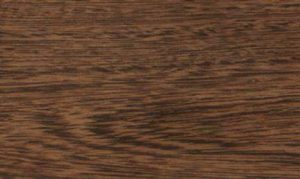
Common Names
Aromata, Berraco, Blackheart, Cabari, Cabary, Cabory, Mayaro poui, Timbo pau, Timbo rana
Regions of Distribution
Latin America
Countries of Distribution [VIEW MAP]
Brazil, Colombia, Guyana
Common Uses
Boat building (general), Bridge construction, Flooring, Furniture, Heavy construction, Piling, Railroad ties
Heartwood Color
| Brown | ||||||||||||
| Red | ||||||||||||
| Pink | ||||||||||||
| Purple | ||||||||||||
| Green/grey | ||||||||||||
| Pale red to pink | ||||||||||||
| Dark brown | ||||||||||||
| Brown | ||||||||||||
| Pale brown |
Sapwood Color
| White | ||||||||||||
| Yellow | ||||||||||||
| White to yellow | ||||||||||||
| Well defined | ||||||||||||
| Different than heartwood |
Grain
| Straight | ||||||||||||
| Even |
| Straight |
Texture
| Medium | ||||||||||||
| Coarse | ||||||||||||
| Coarse |
Luster
| Medium | ||||||||||||
| Dull |
Natural Durability
| Susceptible to insect attack | ||||||||||||
| Durable | ||||||||||||
| Resistant to termites | ||||||||||||
| Moderately durable | ||||||||||||
| Non-durable | ||||||||||||
| Perishable | ||||||||||||
| Non-resistant to powder post beetles | ||||||||||||
| Non-resistant to termites | ||||||||||||
| Moderately durable | ||||||||||||
| Susceptible to marine borer attack | ||||||||||||
| Susceptible to attack from termites (Isoptera) | ||||||||||||
| Resistant to attack from powder post (Lyctid & Bostrychid) beetles | ||||||||||||
| Moderately resistant to termite (Isoptera) attack | ||||||||||||
| Moderately resistant to marine borer attack | ||||||||||||
| Durable |
Silica Content
| Slight |
Drying Defects
| Splitting | ||||||||||||
| Distortion |
Ease of Drying
| Fairly Easy |
Tree Identification
| Bole/stem form is not buttressed |
Tree Size
| Tree height is 10-20 m | ||||||||||||
| Tree height is 0-10 m | ||||||||||||
| Tree height is 20-30 m | ||||||||||||
| Sapwood width is 0-5 cm | ||||||||||||
| Tree height is 30-40 m |
Comments
General finishing qualities are rated as good
Cutting Resistance
| Easy to saw |
Gluing
| Fairly Easy to Very Easy |
Moulding
| Very Good to Excellent Results | ||||||||||||
| Fair to Good Results |
Movement in Service
| Excellent Stability – Small Movement |
Nailing
| Fairly Easy to Very Easy | ||||||||||||
| Very Good to Excellent Results | ||||||||||||
| Fair to Good Results |
Planing
| Fair to Good Results | ||||||||||||
| Very Good to Excellent Results |
Resistance to Impregnation
| Resistant heartwood | ||||||||||||
| Resistant sapwood |
Response to Hand Tools
| Easy to Work | ||||||||||||
| Moderate working qualities | ||||||||||||
| Easy to machine | ||||||||||||
| Difficult to machine |
Screwing
| Fair to Good Results |
Turning
| Fairly Difficult to Very Difficult |
Veneering Qualities
| Suitable for peeling | ||||||||||||
| Veneers easily | ||||||||||||
| Suitable for slicing | ||||||||||||
| Veneers moderately easy |
Polishing
| Fair to Good Results | ||||||||||||
| Very Good to Excellent Results | ||||||||||||
| Good results |
Staining
| Fair to Good Results |
Varnishing
| Very Good to Excellent Results | ||||||||||||
| Fair to Good Results | ||||||||||||
| Fairly Easy to Very Easy |
Strength Properties
| Density (dry weight) = >75 lbs/cu. ft. | ||||||||||||
| Density (dry weight) = 67-75 lbs/cu. ft. | ||||||||||||
| Density (dry weight) = 61-67 lbs/cu. ft. | ||||||||||||
| Density (dry weight) = 53-60 lbs/cu. ft. | ||||||||||||
| Bending strength (MOR) = very high | ||||||||||||
| Bending strength (MOR) = medium | ||||||||||||
| Bending strength (MOR) = high |
Numerical Data
| Item | Green | Dry | English |
| Bending Strength | 14597 | 21597 | psi |
| Density | 59 | lbs/ft3 | |
| Weight | 58 | 53 | lbs/ft3 |
| Item | Green | Dry | Metric |
| Bending Strength | 1026 | 1518 | kg/cm2 |
| Density | 945 | kg/m3 |
References
Brown, W.H.,1978,Timbers of the World, No. 9 Central America and the Caribbean,TRADA, Red Booklet Series
Erfurth, T., Rusche, H.,1976,The Marketing of Tropical Wood B. Wood Species from S. American Tropical,Moist Forests,F.A.O. Forestry Department
Fanshawe, D.B.,1954,Forest Products of British Guiana Part 1 Principal Timbers,Forest Department British Guiana Forestry Bulletin (New Series 2nd,Edition,No.1
Longwood, F.R.,1962,Commercial Timbers of the Caribbean,U.S.A. Department of Agriculture, Agriculture Handbook,No.207
Record, S.J., Hess, R.W.,1943,Timbers of the New World,Yale University Press