Scientific Name
Combretodendron macrocarpum
Trade Name
Esia
Family Name
Lecythidaceae
Synonyms
Petersia africana, Petersia minor, Petersia viridifora, Petersianthus africanus, Combretodendron africanum, Combretodendron macrocarpum, Combretodendron viridiflorum, Combretum macrocarpum
Common Names
Abale, Abin, Abine, Abing, Akusun, Angweshi, Awewe, Bayombi, Bine, Bosaki, Bossoho, Boto, Busheki, Dekolambunda, Esia, Esia-kokobin, Esiapi, Essia, Kapuku mutshi, Kochibibi, Kpa, Minzu, Miuza, Mubuabua, Mubwabwa, Nfunzo, Nonong, Okpoha, Osa, Oto, Owewe, Oze, Pen, Soap tree, Stinkwood tree, Tu-tue, Tufei, Tuntue, Tutwo, Vulo, welo
Regions of Distribution
Africa
Countries of Distribution [VIEW MAP]
Angola, Benin, Cameroon, Congo, Gabon, Ghana, Guinea, Ivory Coast, Liberia, Nigeria, Sierra Leone, Togo, Zaire
Common Uses
Agricultural implements, Boat building (general), Building construction, Building materials, Cabin construction, Cabinetmaking, Canoes, Construction, Core Stock, Crossties, Decorative veneer, Factory construction, Figured veneer, Flooring, Fuelwood, Furniture, Heavy construction, Joinery, Light construction, Millwork, Mine timbers, Plain veneer, Plywood, Poles, Posts, Railroad ties, Sporting Goods, Tool handles, Turnery, Vehicle parts, Veneer, Veneer: decorative
Environmental Profile
| Status has not been officially assessed |
Distribution Overview
Throughout tropical West Africa, fairly common in wet forest areas, infrequent in the dry high forests.
Heartwood Color
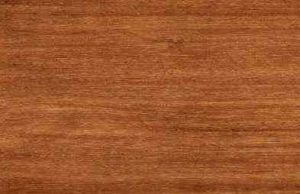
| Yellow | ||||||||||||
| Brown | ||||||||||||
| Orange | ||||||||||||
| Black | ||||||||||||
| Green/grey | ||||||||||||
| Red | ||||||||||||
| Reddish brown | ||||||||||||
| Pale red to pink | ||||||||||||
| Dark brown | ||||||||||||
| Red | ||||||||||||
| Contains dark streaks | ||||||||||||
| Brown |
Sapwood Color
| White | ||||||||||||
| Yellow | ||||||||||||
| Brown | ||||||||||||
| Red | ||||||||||||
| Green/Grey | ||||||||||||
| White to yellow | ||||||||||||
| Well defined |
Grain
| Interlocked | ||||||||||||
| Straight | ||||||||||||
| Figure | ||||||||||||
| Distinct (figure) | ||||||||||||
| Closed | ||||||||||||
| Even | ||||||||||||
| Wavy | ||||||||||||
| Growth rings (figure) | ||||||||||||
| Mottled (figure) | ||||||||||||
| Rays (figure) | ||||||||||||
| Stripe (figure) |
| Interlocked | ||||||||||||
| Straight | ||||||||||||
| Distinct figure | ||||||||||||
| Wavy | ||||||||||||
| Striped figure | ||||||||||||
| Rays figure | ||||||||||||
| Mottled figure | ||||||||||||
| Generally straight, but not always | ||||||||||||
| Clear growth rings (figure) |
Texture
| Coarse | ||||||||||||
| Medium | ||||||||||||
| Coarse | ||||||||||||
| Medium | ||||||||||||
| Medium to coarse | ||||||||||||
| Fine | ||||||||||||
| Fine to medium |
Luster
| Low | ||||||||||||
| Dull |
Natural Durability
| Non-durable | ||||||||||||
| Moderately durable | ||||||||||||
| Perishable | ||||||||||||
| Susceptible to insect attack | ||||||||||||
| Non-resistant to marine borers | ||||||||||||
| Resistant to powder post beetles | ||||||||||||
| Resistant to attack from termites (Isoptera) | ||||||||||||
| Durable | ||||||||||||
| Pinworms (ambrosia beetles) are commonly present | ||||||||||||
| Moderately resistant to termite (Isoptera) attack | ||||||||||||
| Moderately durable | ||||||||||||
| Susceptible to marine borer attack | ||||||||||||
| Sapwood is susceptible to wood staining fungal attack | ||||||||||||
| Resistant to attack from powder post (Lyctid & Bostrychid) beetles | ||||||||||||
| Susceptible to attack from termites (Isoptera) | ||||||||||||
| Susceptible to attack from powder post (Lyctid & Bostrychid) beetles | ||||||||||||
| Pinworms (ambrosia beetles) often present in the standing tree | ||||||||||||
| Pinworms (ambrosia beetles) may be present in the felled log | ||||||||||||
| Non durable | ||||||||||||
| Naturally resistant | ||||||||||||
| Moderately resistant to attack by termites | ||||||||||||
| Moderate weathering properties |
Odor
| Odor disappears upon drying | ||||||||||||
| May have a slightly disagreeable smell when green |
Kiln Schedules
| Dry at a slow speed | ||||||||||||
| Kiln Drying Rate (in days) is slow | ||||||||||||
| UK=C US=T3C2/T3C1 Fr=3 | ||||||||||||
| T2 – C2 (4/4) US |
Drying Defects
| Severe end splitting | ||||||||||||
| Moderate end spitting | ||||||||||||
| Moderate collapse and honeycombing | ||||||||||||
| Severe twisting/warping | ||||||||||||
| Moderate twist/warp | ||||||||||||
| Moderate surface checking | ||||||||||||
| Slight twist/warp | ||||||||||||
| Severe surface checking | ||||||||||||
| Severe cupping | ||||||||||||
| Severe collapse and honeycomb | ||||||||||||
| Moderate cupping |
Ease of Drying
| Fairly Easy | ||||||||||||
| Difficult | ||||||||||||
| Variable results. |
Kiln Drying Rate
| Slow (18-28 days for boards < 32 mm, to 52-84 days for boards >= 63 mm) |
Tree Identification
| Bole/stem form is straight | ||||||||||||
| Bole/stem form is not buttressed | ||||||||||||
| Bole/stem form is cylindrical | ||||||||||||
| Bole/stem form is buttressed | ||||||||||||
| Bole/stem form is unknown | ||||||||||||
| Bole/stem form is fluted |
Tree Size
| Tree height is 10-20 m | ||||||||||||
| Trunk diameter is 100-150 cm |
Comments
General finishing qualities are rated as good
Blunting Effect
| Blunting effect on machining is moderate | ||||||||||||
| Medium effect | ||||||||||||
| Blunting effect on machining is fairly severe |
Boring
| Difficult | ||||||||||||
| Very difficult | ||||||||||||
| Tendency to char |
Cutting Resistance
| Easy to saw | ||||||||||||
| Cutting Resistance with dry wood is difficult | ||||||||||||
| Cutting Resistance with dry wood is easy | ||||||||||||
| Cutting Resistance with dry wood is moderate | ||||||||||||
| Cutting resistance with dry wood is moderate |
Fine sawdust produced from rip sawing may adhere to blades and cause them to overheat. Heavier than normal saws with a small pitch are recommended.
Gluing
| Easy to glue | ||||||||||||
| Satisfactory gluing properties |
Movement in Service
| Large |
Nailing
| Difficult to nail | ||||||||||||
| Pre-boring recommended | ||||||||||||
| Easy to nail |
Planing
| Planes well, to a good finish | ||||||||||||
| Easy to plane | ||||||||||||
| Difficult to plane | ||||||||||||
| Reduction of cutting angle recommended |
Resistance to Impregnation
| Resistant heartwood | ||||||||||||
| Resistant sapwood | ||||||||||||
| Heartwood is highly resistant | ||||||||||||
| Sapwood is permeable | ||||||||||||
| Heartwood is resistant | ||||||||||||
| Sapwood is permeable | ||||||||||||
| Heartwood is moderately resistant |
Resistance to Splitting
| Poor |
Response to Hand Tools
| Easy to Work | ||||||||||||
| Difficult to machine | ||||||||||||
| Moderate working qualities | ||||||||||||
| Variable qualities | ||||||||||||
| Easy to machine |
Screwing
| Pre-boring recommended |
Veneering Qualities
| Diifficult to veneer |
Steam Bending
| Very poor | ||||||||||||
| Poor |
Polishing
| Very Good to Excellent Results | ||||||||||||
| Fair to Good Results | ||||||||||||
| Satisfactory results | ||||||||||||
| Good results | ||||||||||||
| Requires a filler |
Staining
| Finish is generally good | ||||||||||||
| Stains well after surface treatment | ||||||||||||
| Finish is generally satisfactory |
Strength Properties
| Bending strength (MOR) = high | ||||||||||||
| Shrinkage, Tangential = large | ||||||||||||
| Max. crushing strength = high | ||||||||||||
| Shrinkage, Volumetric = large | ||||||||||||
| Shrinkage, Radial = large | ||||||||||||
| Max. crushing strength = medium | ||||||||||||
| Density (dry weight) = 53-60 lbs/cu. ft. | ||||||||||||
| Modulus of Elasticity (stiffness) = high | ||||||||||||
| Density (dry weight) = 46-52 lbs/cu. ft. | ||||||||||||
| Shrinkage, Radial = fairly large | ||||||||||||
| Modulus of Elasticity (stiffness) = medium | ||||||||||||
| Modulus of Elasticity (stiffness) = low | ||||||||||||
| Hardness (side grain) = soft | ||||||||||||
| Shrinkage, Volumetric = fairly large | ||||||||||||
| Shrinkage, Radial = moderate | ||||||||||||
| Shearing strength (parallel to grain) = medium | ||||||||||||
| Hardness (side grain) = medium | ||||||||||||
| Hardness (side grain) = hard | ||||||||||||
| Bending strength (MOR) = medium | ||||||||||||
| Toughness-Hammer drop (Impact Strength) = medium | ||||||||||||
| Shrinkage, Tangential = fairly large | ||||||||||||
| Shearing strength (parallel to grain) = low | ||||||||||||
| Bending strength (MOR) = very high | ||||||||||||
| Modulus of Elasticity (stiffness) = very low | ||||||||||||
| Density (dry weight) = 38-45 lbs/cu. ft. | ||||||||||||
| Very heavy | ||||||||||||
| Shearing strength (parallel to grain) = very low | ||||||||||||
| Resists denting and marring | ||||||||||||
| Density = high | ||||||||||||
| Density (dry weight) = 61-67 lbs/cu. ft. | ||||||||||||
| Density (dry weight) = 31-37 lbs/cu. ft. | ||||||||||||
| Compression strength (parallel to grain) = very high | ||||||||||||
| Bending strength (MOR) = low |
Numerical Data
| Item | Green | Dry | English |
| Bending Strength | 13082 | 19607 | psi |
| Density | 51 | lbs/ft3 | |
| Hardness | 1909 | lbs | |
| Impact Strength | 40 | inches | |
| Maximum Crushing Strength | 5739 | 9281 | psi |
| Shearing Strength | 2032 | psi | |
| Static Bending | 8702 | psi | |
| Stiffness | 1675 | 1969 | 1000 psi |
| Toughness | 236 | inch-lbs | |
| Specific Gravity | 0.64 | 0.72 | |
| Weight | 49 | 39 | lbs/ft3 |
| Radial Shrinkage | 5 | % | |
| Tangential Shrinkage | 9 | % | |
| Volumetric Shrinkage | 14 | % | |
| Item | Green | Dry | Metric |
| Bending Strength | 919 | 1378 | kg/cm2 |
| Density | 817 | kg/m3 | |
| Hardness | 865 | kg | |
| Impact Strength | 101 | cm | |
| Maximum Crushing Strength | 403 | 652 | kg/cm2 |
| Shearing Strength | 142 | kg/cm2 | |
| Static Bending | 611 | kg/cm2 | |
| Stiffness | 117 | 138 | 1000 kg/cm2 |
| Toughness | 271 | cm-kg | |
| Specific Gravity | 0.64 | 0.72 | |
| Weight | 785 | 624 | kg/m3 |
| Radial Shrinkage | 5 | % | |
| Tangential Shrinkage | 9 | % |
References
Armstrong, F.H.,1960,The Strength Properties of Timber,Forest Products Research Laboratory, London Bulletin,No.45
Banks, C.H. and J.P. Schoeman. 1963. Railway Sleeper and Crossing Timbers. Bulletin No. 41, Republic of South Africa. The Government Printer, Pretoria, South Africa.
Banks, C.H., Schoeman, J.P., Otto, K.P.,1977,The Mechanical Properties of Timbers with particular reference to South,Africa,South African Forestry Research Institute Bulletin,(Ed.,Schoeman, J.P. 1973 & Otto K.P. 1976,No.48
Bolza, E., Keating, W.G.,1972,African Timbers – the Properties, Uses and Characteristics of 700 Species,C.S.I.R.O. Div. of Building Research
Chudnoff, M.,1984,Tropical Timbers of the World,U.S.A. Department of Agriculture, Forest Service, Forest Products,Laboratory, Madison.
Erfurth, T., Rusche, H.,1976,The Marketing of Tropical Wood A. Wood Species from African Moist Forests,F.A.O. Forestry Department
Farmer, R.H.,1972,Handbook of Hardwoods,HMSO
Forest Products Research Laboratory, U.K.,1950,The Seasoning Properties of Exotic Timbers,Forest Products Research Laboratory, Princes Risborough, Department of,Science and Industrial Research Leaflet,No.44 and supplements 1 & 2
Forest Products Research Laboratory, U.K.,1951,Essia (Combretodendron africanum,Forest Products Research Laboratory, Princes Risborough, Timber Leaflet
Forests Products Research Laboratory, U.K.,1956,A Handbook of Hardwoods,Forest Products Research Laboratory, Princes Risborough, Department of,Science and Industrial Research, Building Research Establishment
Fortin, Y., Poliquin, J.,1976,Natural Durability and Preservation of 100 Tropical African Woods,International Development Research Centre, Canada
Fouarge, J., Gerard, G.,1964,Bois du Mayumbe,I.N.E.A.C. Belguim
Fouarge, J.,1970,Essais Physiques,Mecaniques et de Durabilite de Bois de la Republique,Democratique du Congo,I.N.E.A.C. Belgium Serie Technique,No.76
France – C.T.F.T.,1961,Resultats des Observatioms et des Essais Effectues au C.T.F.T. sur Essia,C.T.F.T. Information Technique,No.111
France – C.T.F.T.,1966,Bois Tropicaux,C.T.F.T. Publ.,12
Freitas, M.C.P.G. de,1961,Madeiras de Angola Series 1,Reprint from Garcia de Orta Lisbon,9(4,pp699-711
Ghana – Timber Marketing Board,1969,Ghana Hardwoods,Timber Marketing Board
Hedin, L.,1930,Etude sur la Foret et les Bois du Cameroun,Haut-Commissaire de la Cameroun
HMSO. 1972. Handbook of Hardwoods. 2nd Edition. Revised by R.H. Farmer. Department of the Environment, Building Research Establishment, Princes Risborough Laboratory, Princes Risborough, Aylesbury, Buckinghamshire.
I.U.F.R.O.,1973,Veneer Species of the World,Assembled at F.P.L. Madison on behalf of I.U.F.R.O. Working Party on,Slicing and Veneer Cutting
Irvine, F.R.,1961,Woody Plants of Ghana,O.U.P. London
Jay, B.A.,1968,Timbers of West Africa,TRADA, Red Booklet Series
Keay, R.W.J. 1989. Trees of Nigeria. Revised Version of Nigerian Trees . Clarendon Press, Oxford.
Keay, R.W.J.,1964,Nigerian Trees Vol.2,Nigeria Federal Department of Forest Research, Ibadan
Kennedy, J.D.,1936,Forest Flora of Southern Nigeria,Government Printer Lagos
Kinloch, D., Miller, W.A.,1949,Gold Coast Timbers,Govt. Printer Gold Coast
Kryn, J.M., Forbes, E.W.,1959,The Woods of Liberia,U.S.A. Department of Agriculture,Forest Products Laboratory, Madison,,Report No. 2159
Lavers, G. M. 1966. The Strength Properties of Timbers. Forest Products Research Bulletin, No. 50. Ministry of Technology, Her Majesty’s Stationery Office, London.
Lavers, G.M.,1983,The Strength Properties of Timber (3rd ed. revised Moore G.L.,Forest Products Research Laboratory, Princes Risborough, Building Research,Establishment Report (formerly Bulletin No.50)
Lebacq, L., Dechamps, R.,1967,Contribution a un Inventaire de Forets du Nord-kasai,Musee Royal de L’Afrique Centrale Belgium Annals Series 8 No.5
Lincoln, W. A. 1986. World Woods in Color. Linden Publishing Co. Inc., Fresno, California.
Patterson, D.,1988,Commercial Timbers of the World, 5th Edition,Gower Technical Press
Pieters, A.,1977,Essences Forestieres du Zaire,R.U.G. Gent Belguim
Rendle, B.J.,1969,World Timbers (3 Vols.,Ernest Benn Ltd. London
Sallenave, P.,1955,Proprietes Phyiques et Mecaniques des Bois Tropicaux de l’Union Francaise,C.T.F.T
Sallenave, P.,1964,Proprietes Physiques et Mecaniques des Bois Tropicaux (Premier Supplement,C.T.F.T. Publ.,no.23
Savill, P.S., Fox, J.E.D.,1967,Trees of Sierra Leone
Spalt, H.A., Stern, W.L.,1959,Survey of Africa Woods 4,Tropical Woods 17(110) pp42-115
Takahashi, A.,1978,Compilation of Data on the Mechanical Properties of Foreign Woods (Part,III) Africa,Shimane University, Japan, Research Report on Foreign Wood No. 7
Taylor, C.J.,1960,Synecology and Silviculture in Ghana,University College of Ghana Thomas Nelson and Sons
Voorhoeve, A.G.,1965,Liberian High Forest Trees,Centre for Agric. Publishing and Documentation, Wageningen