Scientific Name
Cupressus lusitanica
Trade Name
Cedar of Goa
Family Name
Cupressaceae
Synonyms
Cupressus lindleyi
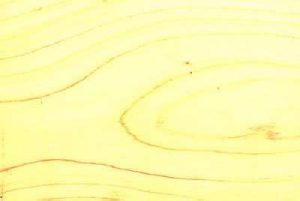
Common Names
Cedar of Goa, Cedro, Cedro amerillo, Cedro blanco, Cedro de la Sierra, Cipres, Cipres de Mexico, East Africa cypress, East African Cypress, Gretado galan, Gretdo amerillo, Gretolo amerillo, Lindley cypress, Lusitanica cypress, Meru cypress, Mexican cypress, Narok cypress, Pinabele, Pinabete, Portuguese cypress, Teatlale, Tlascal, Tlatzcan, Tlazzcan
Plantation species?
Yes
Regions of Distribution
Africa, Central America, Latin America, Oceania and S.E. Asia
Countries of Distribution [VIEW MAP]
Argentina, Brazil, Chile, Guatemala, Honduras, Kenya, Mexico, New Zealand, South Africa, Tanzania, Zambia
Common Uses
Beehives, Boat building (general), Boxes and crates, Broom handles, Cabinetmaking, Concrete formwork, Fuelwood, Furniture, Joinery (external): ground contact, Joinery, Light construction, Particleboard, Piling, Plywood corestock, Plywood, Poles, Posts, Pulp/Paper products, Railroad ties, Shingles, Toys, Turnery, Vehicle parts, Veneer, agricultural implements
Heartwood Color
| Brown | ||||||||||||
| Red | ||||||||||||
| Yellow | ||||||||||||
| Purple | ||||||||||||
| Black | ||||||||||||
| Pink | ||||||||||||
| Orange | ||||||||||||
| Brown | ||||||||||||
| Yellow to golden-yellow to orange | ||||||||||||
| Pale red to pink | ||||||||||||
| Pale brown |
Sapwood Color
| Brown | ||||||||||||
| Yellow | ||||||||||||
| Paler than heartwood | ||||||||||||
| Clearly differentiated from the heartwood | ||||||||||||
| White to yellow | ||||||||||||
| Different than heartwood |
Plantation timber info:
Grain
| Straight | ||||||||||||
| Figure | ||||||||||||
| Even | ||||||||||||
| Other (figure) | ||||||||||||
| Variable (figure) | ||||||||||||
| Growth rings (figure) |
| Straight | ||||||||||||
| Other figure | ||||||||||||
| Irregular color | ||||||||||||
| Clear growth rings (figure) |
Texture
| Medium | ||||||||||||
| Fine | ||||||||||||
| Coarse | ||||||||||||
| Fine |
Plantation timber info:
Luster
| Low | ||||||||||||
| Medium | ||||||||||||
| Pronounced | ||||||||||||
| Lustrous |
Plantation timber info:
Natural Growth Defects
| Gum/resin streaks | ||||||||||||
| Gum/resin streaks |
Natural Durability
| Moderately durable | ||||||||||||
| Non-durable | ||||||||||||
| Susceptible to insect attack | ||||||||||||
| Non-resistant to powder post beetles | ||||||||||||
| Durable | ||||||||||||
| Perishable | ||||||||||||
| Non-resistant to marine borers | ||||||||||||
| Resistant to termites | ||||||||||||
| Moderately durable | ||||||||||||
| Resistant to attack from powder post (Lyctid & Bostrychid) beetles | ||||||||||||
| Non durable | ||||||||||||
| Durable | ||||||||||||
| Perishable | ||||||||||||
| Non durable |
Light-Induced Color Change
| Lighter |
Kiln Schedules
| Drying (speed) is fast | ||||||||||||
| UK=J US=T10D5S/T8D4S Fr=4 | ||||||||||||
| UK=J US=T10D5S/T8D4S Fr=4 | ||||||||||||
| UK=B US=T2C2/T2C1 Fr=2 |
Drying Defects
| Splitting | ||||||||||||
| Checking | ||||||||||||
| Distortion | ||||||||||||
| Moderate twist/warp | ||||||||||||
| Slight twist/warp |
Plantation timber info:
Ease of Drying
| Moderately Difficult to Difficult | ||||||||||||
| Variable | ||||||||||||
| Slowly |
Kiln Drying Rate
| Naturally dries slowly |
Tree Size
| Tree height is 20-30 m | ||||||||||||
| Tree height is 10-20 m | ||||||||||||
| Sapwood width is 10-15 cm | ||||||||||||
| Bole length is 10-20 m | ||||||||||||
| Bole length is 0-10 m | ||||||||||||
| Tree height is 30-40 m |
Comments
General finishing qualities are rated as good
Blunting Effect
| Blunting effect on machining is slight |
Boring
| Fairly difficult to very difficult | ||||||||||||
| Moderately easy |
Cutting Resistance
| Fairly Difficult to Very Difficult to saw | ||||||||||||
| Cutting Resistance with green wood is easy | ||||||||||||
| Cutting Resistance with dry wood is easy |
Gluing
| Easy to glue |
Mortising
| Easy to mortise |
Moulding
| Easy to mould |
Movement in Service
| Small |
Plantation timber info:
Nailing
| Fairly Difficult to Very Difficult | ||||||||||||
| Holds nails well | ||||||||||||
| Easy to nail | ||||||||||||
| Pre-boring recommended |
Plantation timber info:
Planing
| Fair to Good Results | ||||||||||||
| Fairly Difficult to Very Difficult | ||||||||||||
| Very Good to Excellent Results | ||||||||||||
| Fairly Easy to Very Easy | ||||||||||||
| Planes well, to a good finish | ||||||||||||
| Easy to plane |
Resistance to Impregnation
| Resistant heartwood | ||||||||||||
| Permeable sapwood | ||||||||||||
| Resistant sapwood | ||||||||||||
| Permeable heartwood | ||||||||||||
| Heartwood is moderately resistant | ||||||||||||
| Sapwood is moderately resistant | ||||||||||||
| Heartwood is resistant | ||||||||||||
| Heartwood is permeable |
Response to Hand Tools
| Fairly Difficult to Difficult to Work | ||||||||||||
| Easy to Work | ||||||||||||
| Easy to machine |
Plantation timber info:
Screwing
| Screwing yields good results | ||||||||||||
| Easy to screw |
Turning
| Fair to Good Results | ||||||||||||
| Fairly Difficult to Very Difficult | ||||||||||||
| Fairly Easy to Very Easy | ||||||||||||
| Easy to turn |
Veneering Qualities
| Suitable for peeling | ||||||||||||
| Veneers easily | ||||||||||||
| Veneers moderately easy | ||||||||||||
| Easy to cut |
Steam Bending
| Very poor |
Painting
| Satisfactory results |
Plantation timber info:
Polishing
| Fair to Good Results | ||||||||||||
| Satisfactory results | ||||||||||||
| Good results |
Plantation timber info:
Staining
| Finish is generally satisfactory | ||||||||||||
| Finish is generally good |
Plantation timber info:
Strength Properties
| Bending strength (MOR) = low | ||||||||||||
| Modulus of Elasticity (stiffness) = very low | ||||||||||||
| Max. crushing strength = medium | ||||||||||||
| Hardness (side grain) = very soft | ||||||||||||
| Density (dry weight) = 23-30 lbs/cu. ft. | ||||||||||||
| Shearing strength (parallel to grain) = very low | ||||||||||||
| Density (dry weight) = 31-37 lbs/cu. ft. | ||||||||||||
| Shrinkage, Radial = very small | ||||||||||||
| Shrinkage, Tangential = small | ||||||||||||
| Shrinkage, Tangential = very small | ||||||||||||
| Shearing strength (parallel to grain) = low | ||||||||||||
| Work to Maximum Load = very low | ||||||||||||
| Shrinkage, Radial = small | ||||||||||||
| Max. crushing strength = low | ||||||||||||
| Toughness-Hammer drop (Impact Strength) = low | ||||||||||||
| Toughness (total work) = very low | ||||||||||||
| Shrinkage, Tangential = moderate | ||||||||||||
| Hardness (side grain) = soft | ||||||||||||
| Shrinkage, Tangential = fairly large | ||||||||||||
| Shrinkage, Radial = moderate | ||||||||||||
| Shrinkage, Radial = large | ||||||||||||
| Modulus of Elasticity (stiffness) = medium | ||||||||||||
| Modulus of Elasticity (stiffness) = low | ||||||||||||
| Bending strength (MOR) = medium |
Numerical Data
| Item | Green | Dry | English |
| Bending Strength | 6644 | 10419 | psi |
| Density | 29 | lbs/ft3 | |
| Hardness | 378 | lbs | |
| Impact Strength | 28 | inches | |
| Maximum Crushing Strength | 3669 | 6071 | psi |
| Shearing Strength | 1124 | psi | |
| Stiffness | 1157 | 1356 | 1000 psi |
| Toughness | 95 | inch-lbs | |
| Work to Maximum Load | 5 | 7 | inch-lbs/in3 |
| Weight | 28 | 24 | lbs/ft3 |
| Radial Shrinkage | 2 | % | |
| Tangential Shrinkage | 5 | % | |
| Item | Green | Dry | Metric |
| Bending Strength | 467 | 732 | kg/cm2 |
| Density | 464 | kg/m3 | |
| Hardness | 171 | kg | |
| Impact Strength | 71 | cm | |
| Maximum Crushing Strength | 257 | 426 | kg/cm2 |
| Shearing Strength | 79 | kg/cm2 | |
| Stiffness | 81 | 95 | 1000 kg/cm2 |
| Toughness | 109 | cm-kg | |
| Work to Maximum Load | 0.35 | 0.49 | cm-kg/cm3 |
| Weight | 448 | 384 | kg/m3 |
| Radial Shrinkage | 2 | % |
References
Berni, C.A., Bolza, E., Christensen, F.J.,1979,South American Timbers – The Characteristics, Properties and Uses of 190,Species,C.S.I.R.O Div. Building Research
Bier, H.,1983,The strength properties of small clear specimens of New Zealand-grown,timber,New Zealand Forest Service Forest Research Institute, FRI Bulletin No.41
Bois, P.J.,1966,The Strength Properties of Tanzania Timbers,Tanzania Forest Div. Util. Sec. Moshi Tech. Note, No.35
Bolza, E., Keating, W.G.,1972,African Timbers – the Properties, Uses and Characteristics of 700 Species,C.S.I.R.O. Div. of Building Research
Bryce, J. and Kitambi, G.,1960,The Air-drying Properties of some Tanganyika Timbers Technical Note No 23,Tanganyika Forest Department Utilisation Division Technical Note
Bryce, J.M.,1967,Commercial Timbers of Tanzania,Tanzanian Forestry Division Util. Sec. Moshi
Chudnoff, M.,1984,Tropical Timbers of the World,U.S.A. Department of Agriculture, Forest Service, Forest Products,Laboratory, Madison.
Dallimore, W. and Jackson, A. Bruce,1966,A Handbook of Coniferae and Ginkgoaceae Fourth Ed. Revised by S.G.,Harrison,Edward Arnold (Publishers) Ltd. London
Forest Products Research Laboratory U.K.,1957,A Handbook of Softwoods,Department of Scientific and Industrial Research Forest Products Research,HMSO
Haslett, A.N.,1986,Properties and Utilisation of Exotic Speciality Timbers Grown in New,Zealand Part III: Cypresses – Chamaecyparis lawsoniana Parl. X,Cupressocyparis leylandii Dall. Cupressus lusitanica Mill. Cupressus,macrocarpa Hartw.,New Zealand Forest Service, Forest Research Institute, FRI Bulletin No.119
Murira, K.,1984,Natural Durability Tests of Tanzanian Timbers 1955 – 1982,Tanzania Forestry Research Institute, Timber Utilisation Research Centre,,Moshi.
Paterson,1961,Average mechanical and physical properties of Kenya exotic softwoods,Kenya Forest Department, Technical Note No.82 (revised 1963)
Poynton, R.J.,1957,Notes on Exotic Forest Trees in South Africa (Second Edition, Revised,South African Forestry Department Bulletin No.38
Record, S.J., Hess, R.W.,1943,Timbers of the New World,Yale University Press
Rendle, B.J.,1969,World Timbers (3 Vols.,Ernest Benn Ltd. London
Scott, M.H.,1935,Weights of South African Growth Timbers,South African Department of Agriculture and Forestry Bulletin,No.145,Forest Products Institute, Forestry Series No.1
Scott, M.H.,1951,The Quality and Uses of Exotic Softwoods in South Africa,Empire Forestry Review 30:235-249
Shukla, N.K. and Sangal, S.K.,1986,Preliminary studies of strength properties of some exotic timbers,Indian Forester 112:5, 459-465
Takahashi, A.,1975,Compilation of data on the Mechanical Properties of Foreign Woods (Part 2,Central and South America,Shimane University, Japan, Research Report on Foreign Wood No.4
Takahashi, A.,1978,Compilation of Data on the Mechanical Properties of Foreign Woods (Part,III) Africa,Shimane University, Japan, Research Report on Foreign Wood No. 7
Tanzania – Timber Marketing Co. Ltd.,1978,Timber from Tanzania
Tanzania Forest Department,1961,The Movement of Timbers Technical Note No.29,Tanzania Forest Department, Utilisation Division Technical Note
Tanzania Forest Division,1966,Kiln Drying Schedules for Tanzania Timbers Technical Note no.38,Tanzania Forest Div. Util. Sec. Moshi
Tanzania Forest Division,1967,The Weights and Shrinkage of some Local Timbers,Tanzania Forest Div. Util. Sect. Technical Note,No.25
Uganda Forest Department,1969,The Shrinkage of Some Ugandan Timbers,Uganda Forestry Department Timber Leaflet,No.47