Scientific Name
Diospyros kamerunensis
Trade Name
African ebony
Family Name
Ebenaceae
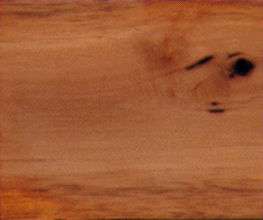
Common Names
African ebony, Cameroon ebony, Dib-bah, Dre-bah, Kake, Kema-osibin, Omenewa, Omenowa, Omera, Sefflay
Regions of Distribution
Africa
Countries of Distribution [VIEW MAP]
Gabon, Ghana, Ivory Coast, Liberia
Common Uses
Agricultural implements, Boat building (general), Carvings, Flooring, Handles: general, Heavy construction, Joinery, Millwork, Mine timbers, Musical instruments, Musical instruments: percussion, Plywood, Poles, Posts, Sporting Goods, Tool handles, Turnery, Vehicle parts, Veneer: decorative
Heartwood Color
| Black | ||||||||||||
| Yellow | ||||||||||||
| White | ||||||||||||
| Brown | ||||||||||||
| Green/grey | ||||||||||||
| Orange | ||||||||||||
| Greenish to greyish | ||||||||||||
| Pale red to pink | ||||||||||||
| Pale brown | ||||||||||||
| Brown |
Sapwood Color
| Green/Grey | ||||||||||||
| Yellow | ||||||||||||
| White | ||||||||||||
| Pink | ||||||||||||
| Same as heartwood | ||||||||||||
| Pinkish |
Grain
| Even | ||||||||||||
| Figure | ||||||||||||
| Interlocked | ||||||||||||
| Straight | ||||||||||||
| Distinct (figure) |
| Straight | ||||||||||||
| Interlocked | ||||||||||||
| Distinct and very fine figure |
Texture
| Fine | ||||||||||||
| Fine |
Natural Durability
| Very durable | ||||||||||||
| Resistant to termites | ||||||||||||
| Moderately durable | ||||||||||||
| Pinworms (ambrosia beetles) are commonly present | ||||||||||||
| Susceptible to marine borer attack | ||||||||||||
| Susceptible to attack from powder post (Lyctid & Bostrychid) beetles | ||||||||||||
| Resistant to attack from termites (Isoptera) | ||||||||||||
| Non durable |
Light-Induced Color Change
| None |
Toxicity
| Some toxic effects | ||||||||||||
| Unspecified toxicity |
Drying Defects
| Splitting | ||||||||||||
| Checking | ||||||||||||
| Distortion | ||||||||||||
| Slight end splitting | ||||||||||||
| Slight twist/warp |
Ease of Drying
| Fairly Easy | ||||||||||||
| Slowly |
Kiln Drying Rate
| Naturally dries at a moderate speed | ||||||||||||
| Naturally dries slowly |
Tree Size
| Bole length is 10-20 m | ||||||||||||
| Bole length is 20-30 m |
Comments
General finishing qualities are rated as good
Blunting Effect
| High to severe | ||||||||||||
| Moderate | ||||||||||||
| Blunting effect on machining is moderate |
Gluing
| Fairly Easy to Very Easy |
Movement in Service
| Excellent Stability – Small Movement |
Nailing
| Pre-Boring Recommended | ||||||||||||
| Fairly Difficult to Very Difficult |
Planing
| Poor to Very Poor Results | ||||||||||||
| Fairly Difficult to Very Difficult |
Resistance to Impregnation
| Resistant heartwood | ||||||||||||
| Resistant sapwood | ||||||||||||
| Sapwood is permeable | ||||||||||||
| Heartwood is resistant |
Response to Hand Tools
| Fairly Difficult to Difficult to Work | ||||||||||||
| Easy to machine |
Turning
| Fairly Easy to Very Easy | ||||||||||||
| Very Good to Excellent Results | ||||||||||||
| Fair to Good Results |
Steam Bending
| Fair to Good Results |
Polishing
| Fair to Good Results | ||||||||||||
| Very Good to Excellent Results | ||||||||||||
| Satisfactory results | ||||||||||||
| Good results |
Strength Properties
| Density (dry weight) = 61-67 lbs/cu. ft | ||||||||||||
| Bending strength (MOR) = high | ||||||||||||
| Shrinkage, Tangential = large | ||||||||||||
| Shrinkage, Radial = large | ||||||||||||
| Hardness (side grain) = very hard | ||||||||||||
| Hardness (side grain) = hard | ||||||||||||
| Shrinkage, Tangential = fairly large | ||||||||||||
| Shrinkage, Radial = fairly large | ||||||||||||
| Modulus of Elasticity (stiffness) = medium | ||||||||||||
| Modulus of Elasticity (stiffness) = high | ||||||||||||
| Density (dry weight) = 53-60 lbs/cu. ft |
Numerical Data
| Item | Green | Dry | English |
| Bending Strength | 13576 | 20956 | psi |
| Density | 61 | lbs/ft3 | |
| Hardness | 2628 | lbs | |
| Stiffness | 1916 | 2208 | 1000 psi |
| Weight | 60 | 48 | lbs/ft3 |
| Radial Shrinkage | 6 | % | |
| Tangential Shrinkage | 9 | % | |
| Item | Green | Dry | Metric |
| Bending Strength | 954 | 1473 | kg/cm2 |
| Density | 977 | kg/m3 | |
| Hardness | 1192 | kg | |
| Stiffness | 134 | 155 | 1000 kg/cm2 |
| Weight | 961 | 769 | kg/m3 |
| Radial Shrinkage | 6 | % |
References
Armstrong, F.H.,1960,The Strength Properties of Timber,Forest Products Research Laboratory, London Bulletin,No.45
Bolza, E., Keating, W.G.,1972,African Timbers – the Properties, Uses and Characteristics of 700 Species,C.S.I.R.O. Div. of Building Research
Cooper, G.P., Record, S.J.,1931,The Evergreen Forests of Liberia,Yale School Forestry Bulletin,31,pp1-153
Ghana – Timber Marketing Board,1969,Ghana Hardwoods,Timber Marketing Board
Irvine, F.R.,1961,Woody Plants of Ghana,O.U.P. London
Kinloch, D., Miller, W.A.,1949,Gold Coast Timbers,Govt. Printer Gold Coast
Kryn, J.M., Forbes, E.W.,1959,The Woods of Liberia,U.S.A. Department of Agriculture,Forest Products Laboratory, Madison,,Report No. 2159
Takahashi, A.,1978,Compilation of Data on the Mechanical Properties of Foreign Woods (Part,III) Africa,Shimane University, Japan, Research Report on Foreign Wood No. 7