Scientific Name
Dryobalanops lanceolata
Trade Name
Kapur
Family Name
Dipterocarpaceae
Common Names
Borneo camphorwood, Kapur, Keladan
Regions of Distribution
Oceania and S.E. Asia
Countries of Distribution [VIEW MAP]
Indonesia, Malaysia
Common Uses
Bent Parts, Boat building, Building construction, Building materials, Cabin construction, Cabinetmaking, Canoes, Chairs, Chests, Construction, Core Stock, Decorative plywood, Desks, Dining-room furniture, Domestic flooring, Drawer sides, Excelsior, Factory construction, Factory flooring, Fine furniture, Flooring, Furniture , Furniture components, Furniture squares or stock, Hatracks, Heavy construction, Joinery, Kitchen cabinets, Lifeboats, Living-room suites, Mine timbers, Office furniture, Parquet flooring, Plywood, Radio – stereo – TV cabinets, Rustic furniture, Shipbuilding, Stools, Structural plywood, Sub-flooring, Utility furniture
Environmental Profile
| Generally secure within its natural habitat | ||||||||||||
| Data source is World Conservation Monitoring Center |
Distribution Overview
Indonesia (Kalimantan) and Malaysia (Sabah). This is the tallest recorded dipterocarp tree. Its kapur timber fetches the highest prices in Borneo and the species is also a major source of Borneo camphor.
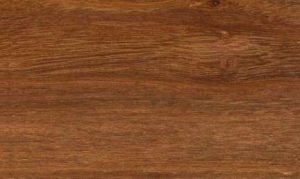
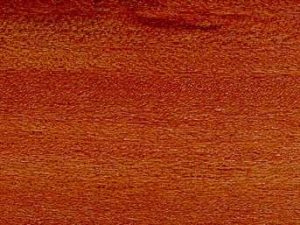
Heartwood Color
| Red | ||||||||||||
| Yellowish | ||||||||||||
| Reddish brown | ||||||||||||
| Pinkish tint | ||||||||||||
| Fine resin ducts | ||||||||||||
| Darkens after prolonged exposure |
Sapwood Color
| Yellowish brown | ||||||||||||
| Wide | ||||||||||||
| Whitish | ||||||||||||
| Pinkish | ||||||||||||
| Clearly differentiated from the heartwood |
Grain
| Even | ||||||||||||
| Straight | ||||||||||||
| Interlocked |
Texture
| Fine | ||||||||||||
| Medium coarse to coarse | ||||||||||||
| Even textured |
Luster
| High |
Natural Durability
| Very durable | ||||||||||||
| Durable | ||||||||||||
| Susceptible to insect attack | ||||||||||||
| Non-resistant to powder post beetles | ||||||||||||
| Non-resistant to termites | ||||||||||||
| Susceptible to attack by marine borers and termites | ||||||||||||
| Sapwood susceptible to attack by powder post beetles | ||||||||||||
| Heartwood has high natural resistance to attack by fungi |
Odor
| Camphor like odor associated with freshly cut wood |
The smell persists for some time even in the seasoned wood. It does, however, disappear with time
Kiln Schedules
| T10 – D4S (4/4); T8 – D3S (8/4) US | ||||||||||||
| Schedule H – United Kingdom |
Drying Defects
| Checking | ||||||||||||
| Distortion | ||||||||||||
| Collapse | ||||||||||||
| Internal Honeycombing Possible | ||||||||||||
| Slight twist/warp | ||||||||||||
| Slight cupping | ||||||||||||
| Existing shakes may open up |
Ease of Drying
| Fairly Easy | ||||||||||||
| Slowly | ||||||||||||
| Dries very well | ||||||||||||
| Dries slowly |
Kiln Drying Rate
| Naturally dries slowly |
Tree Size
| Tree height is 40-50 m | ||||||||||||
| Tree height is 20-30 m | ||||||||||||
| Tree height is 30-40 m | ||||||||||||
| Tree height is 10-20 m | ||||||||||||
| Trunk diameter is 100-150 cm | ||||||||||||
| Trunk diameter is 150-200 cm |
Mature Dryobalanops trees attain heights of 200 to 250 feet (60 to 75 m), with trunk diameters that are commonly 36 to 60 inches (90 to 150 cm), occasionally reaching 132 inches (335 cm). Boles are straight and free of branches for about 90 to 100 feet (27 to 30 m) above well developed buttresses
Product Sources
Kapur is the trade name of timber from several species of Dryobalanops that are usually marketed together.
Comments
Effect on Textiles and Metals – A yellow chemical in the sapwood may stain fabrics under moist conditions. The wood is acidic and may corrode metals it comes in contact with. Iron and iron compounds may also stain the wood under damp conditions
Blunting Effect
| Medium dulling effect on cutting edges |
Blunting effect is generally medium, but material with interlocked grain can cause severe dulling.
Cutting Resistance
| Moderate blunting of saw teeth | ||||||||||||
| Easy to saw |
Movement in Service
| Medium |
Nailing
| Satisfactory nailing properties |
Planing
| Fairly Easy to Very Easy | ||||||||||||
| Very Good to Excellent Results | ||||||||||||
| Fair to Good Results | ||||||||||||
| Responds well to hand and machine tools | ||||||||||||
| Moderate blunting effect on cutting edges | ||||||||||||
| Easy to plane |
The timber is reported to plane, bore, mould, mortise, and turn rather easily. Material with interlocked grain can cause cutting edges to dull severely and rapidly
Resistance to Impregnation
| Sapwood is permeable | ||||||||||||
| Heartwood is extremely resistant |
Response to Hand Tools
| Easy to Work | ||||||||||||
| Fairly Difficult to Difficult to Work |
Sanding
| Yields relatively smooth surfaces | ||||||||||||
| Easy to sand |
Screwing
| Good screwing properties |
Turning
| Fairly Difficult to Very Difficult | ||||||||||||
| Fairly Easy to Very Easy |
Steam Bending
| Poor to Very Poor Results | ||||||||||||
| Moderate |
Polishing
| Very Good to Excellent Results | ||||||||||||
| Fair to Good Results | ||||||||||||
| Satisfactory results |
Staining
| Satisfactory staining properties |
Numerical Data
| Item | Green | Dry | English |
| Bending Strength | 11917 | 17037 | psi |
| Density | 47 | lbs/ft3 | |
| Hardness | 1205 | lbs | |
| Impact Strength | 28 | 36 | inches |
| Maximum Crushing Strength | 5852 | 9502 | psi |
| Shearing Strength | 1673 | psi | |
| Stiffness | 1667 | 1982 | 1000 psi |
| Work to Maximum Load | 13 | 16 | inch-lbs/in3 |
| Specific Gravity | 0.57 | 0.69 | |
| Weight | 51 | 46 | lbs/ft3 |
| Radial Shrinkage | 5 | % | |
| Tangential Shrinkage | 10 | % | |
| Item | Green | Dry | Metric |
| Bending Strength | 837 | 1197 | kg/cm2 |
| Density | 753 | kg/m3 | |
| Hardness | 546 | kg | |
| Impact Strength | 71 | 91 | cm |
| Maximum Crushing Strength | 411 | 668 | kg/cm2 |
| Shearing Strength | 117 | kg/cm2 | |
| Stiffness | 117 | 139 | 1000 kg/cm2 |
| Work to Maximum Load | 0.91 | 1.12 | cm-kg/cm3 |
| Specific Gravity | 0.57 | 0.69 | |
| Weight | 817 | 737 | kg/m3 |
| Radial Shrinkage | 5 | % |
References
Bodig, J. and B. A. Jayne. 1982. Mechanics of Wood and Wood Composites. Van Nostrand Reinhold Company, New York.
Chudnoff, M.,1984,Tropical Timbers of the World,U.S.A. Department of Agriculture, Forest Service, Forest Products,Laboratory, Madison.
HMSO. 1972. Handbook of Hardwoods, 2nd Edition. Revised by R.H. Farmer. Department of the Environment, Building Research Establishment, Princes Risborough Laboratory, Her Majesty’s Stationery Office, London.
Keating, W.G., Bolza, E.,1982,Characteristics properties and uses of timbers. South East Asia, Northern,Australia and the Pacific,C.S.I.R.O. Div. Chemical Technology,Inkata Press,1
Lavers, G. M. 1966. The Strength Properties of Timbers. Forest Products Research Bulletin, No. 50. Ministry of Technology, Her Majesty’s Stationery Office, London.
Lincoln, W.A. 1986. World Woods in Color. Linden Publishing Co. Inc., Fresno, California.