Scientific Name
Endospermum macrophyllum
Trade Name
Kauvula
Family Name
Euphorbiaceae
Common Names
Ekor belangkas, Gubas, Kauvula, Sendok sendok, Sesendok, Terbulan
Regions of Distribution
Oceania and S.E. Asia
Countries of Distribution [VIEW MAP]
Fiji [Polynesia], Fiji
Common Uses
Agricultural implements, Balusters, Bedroom suites, Boxes and crates, Broom handles, Building construction, Building materials, Cabinetmaking, Carvings, Chairs, Chests, Coffins, Concealed parts (Furniture), Construction, Core Stock, Decorative plywood, Decorative veneer, Desks, Dining-room furniture, Domestic flooring, Dowell pins, Dowells, Drawer sides, Excelsior, Factory flooring, Figured veneer, Fine furniture, Floor lamps, Flooring, Food containers, Furniture , Furniture components, Furniture squares or stock, Furniture, Hatracks, Interior construction, Interior trim, Joinery, Kitchen cabinets, Light construction, Living-room suites, Matches, Millwork, Moldings, Musical instruments, Office furniture, Paneling, Parquet flooring, Plain veneer, Plywood, Pulp/Paper products, Tool handles, Toys, Turnery, Veneer
Environmental Profile
| Vulnerable | ||||||||||||
| Abundant/Secure | ||||||||||||
| Status has not been officially assessed |
Distribution Overview
Fiji, in particular.
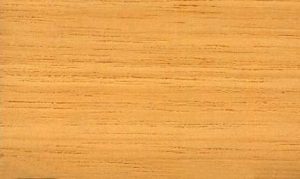
Heartwood Color
| Red | ||||||||||||
| Brown | ||||||||||||
| Pink | ||||||||||||
| Purple | ||||||||||||
| Black | ||||||||||||
| Yellow to golden-yellow to orange | ||||||||||||
| White to cream | ||||||||||||
| Pale cream | ||||||||||||
| Pale brown | ||||||||||||
| Light brown | ||||||||||||
| Brownish buff |
Sapwood Color
| White | ||||||||||||
| Yellow | ||||||||||||
| Pink | ||||||||||||
| Green/Grey | ||||||||||||
| Brown | ||||||||||||
| Color not distinct from heartwood |
Grain
| Straight | ||||||||||||
| Interlocked | ||||||||||||
| Even |
| Straight | ||||||||||||
| Interlocked |
Texture
| Fine | ||||||||||||
| Medium | ||||||||||||
| Coarse | ||||||||||||
| Medium to coarse | ||||||||||||
| Medium | ||||||||||||
| Coarse |
Luster
| Medium | ||||||||||||
| High | ||||||||||||
| Lustrous |
Natural Durability
| Susceptible to insect attack | ||||||||||||
| Moderately durable | ||||||||||||
| Non-resistant to powder post beetles | ||||||||||||
| Non-resistant to termites | ||||||||||||
| Durable | ||||||||||||
| Resistant to termites | ||||||||||||
| Non-durable | ||||||||||||
| Non-resistant to marine borers | ||||||||||||
| Perishable | ||||||||||||
| Non-resistant to pinhole borers | ||||||||||||
| Resistant to powder post beetles | ||||||||||||
| Susceptible to attack from powder post (Lyctid & Bostrychid) beetles | ||||||||||||
| Perishable | ||||||||||||
| Non durable | ||||||||||||
| Very little natural resistance | ||||||||||||
| Susceptible to pinhole borer | ||||||||||||
| Susceptible to marine borer attack | ||||||||||||
| Susceptible to blue stain | ||||||||||||
| Susceptible to attack from termites (Isoptera) | ||||||||||||
| Susceptible to attack by marine borers and termites | ||||||||||||
| Pinworms (ambrosia beetles) are commonly present | ||||||||||||
| Heartwood is susceptible to wood staining fungal attack |
Sawn timber is readily attacked by longhorn beetle.
Odor
| Has a taste | ||||||||||||
| No specific smell or taste |
Toxicity
| Some toxic effects |
Kiln Schedules
| Drying (speed) is fast |
Drying Defects
| Distortion | ||||||||||||
| Splitting | ||||||||||||
| Checking | ||||||||||||
| Collapse | ||||||||||||
| Internal Honeycombing Possible | ||||||||||||
| Slight surface checking | ||||||||||||
| Warping can be expected | ||||||||||||
| Checking |
Warping can be severe in stock containing tension wood
Ease of Drying
| Variable | ||||||||||||
| Moderately Difficult to Difficult | ||||||||||||
| Rapidly | ||||||||||||
| Fairly Easy | ||||||||||||
| Slowly | ||||||||||||
| Easy | ||||||||||||
| Radial and tangential shrinkage from 1-2% | ||||||||||||
| Little degrade if dried properly | ||||||||||||
| Dries at a fairly rapid rate |
Kiln Drying Rate
| Naturally dries quickly | ||||||||||||
| Naturally dries slowly | ||||||||||||
| Naturally dries at a moderate speed | ||||||||||||
| Drying rate is fairly rapid to fast |
Tree Identification
| Bole/stem form is buttressed |
Tree Size
| Sapwood width is 5-10 cm | ||||||||||||
| Bole length is 30-40 m | ||||||||||||
| Trunk diameter is 150-200 cm | ||||||||||||
| Tree height is 40-50 m | ||||||||||||
| Bole length is 20-30 m | ||||||||||||
| Tree height is 50-60 m | ||||||||||||
| Sapwood width is 10-15 cm | ||||||||||||
| Trunk diameter is 100-150 cm | ||||||||||||
| Tree height is 60-70 m | ||||||||||||
| Bole length is 10-20 m | ||||||||||||
| Sapwood width is 0-5 cm | ||||||||||||
| Trunk diameter is 200-250 cm | ||||||||||||
| Trunk diameter is 250-300 cm | ||||||||||||
| Trunk diameter is 350-400 cm | ||||||||||||
| Tree height is 30-40 m |
Heavy buttresses, occasionally reaching 60 inches (150 cm).
Certified Source
| Certified Source |
Comments
Abnormal Wood Tissue – Tension wood may be present in timber from leaning or crooked trees.
General finishing qualities are rated as good
Blunting Effect
| Little | ||||||||||||
| Moderate |
Boring
| Fair to good results | ||||||||||||
| Fairly easy to very easy | ||||||||||||
| Easy |
Carving
| Fairly Easy to Very Easy | ||||||||||||
| Fair to Good Results | ||||||||||||
| Very good results |
Cutting Resistance
| Easy to saw | ||||||||||||
| Cutting Resistance with dry wood is easy | ||||||||||||
| Cutting Resistance with green wood is easy | ||||||||||||
| Low resistance |
Sawn surfaces of material containing tension wood may be woolly.
Gluing
| Fairly Easy to Very Easy | ||||||||||||
| Fair to Good Results |
Mortising
| Fairly Difficult to Very Difficult | ||||||||||||
| Fairly Easy to Very Easy | ||||||||||||
| Fair to Good Results | ||||||||||||
| Good mortising properties |
Moulding
| Fairly Difficult to Very Difficult | ||||||||||||
| Fairly Easy to Very Easy | ||||||||||||
| Fair to Good Results | ||||||||||||
| Moulds well and readily |
Movement in Service
| Fair to Good Stability – Medium Movement |
Nailing
| Fairly Easy to Very Easy | ||||||||||||
| Fair to Good Results | ||||||||||||
| Very Good to Excellent Results | ||||||||||||
| Nails hold poorly |
Planing
| Fairly Difficult to Very Difficult | ||||||||||||
| Fairly Easy to Very Easy | ||||||||||||
| Fair to Good Results | ||||||||||||
| Planes to a smooth surface | ||||||||||||
| Easy to plane |
Resistance to Impregnation
| Resistant heartwood | ||||||||||||
| Resistant sapwood | ||||||||||||
| Heartwood is permeable | ||||||||||||
| Easily treated by pressure impregnation and open-tank processes |
Resistance to Splitting
| Poor |
Response to Hand Tools
| Easy to Work | ||||||||||||
| Responds Readily | ||||||||||||
| Fairly Difficult to Difficult to Work | ||||||||||||
| Easy to machine | ||||||||||||
| Responds well |
Routing & Recessing
| Fairly Easy to Very Easy | ||||||||||||
| Fair to Good Results | ||||||||||||
| Very good in both routing and recessing |
Sanding
| Very Good to Excellent Results | ||||||||||||
| Fairly Easy to Very Easy | ||||||||||||
| Yields smooth, clean surfaces | ||||||||||||
| Easy to sand |
Screwing
| Fairly Easy to Very Easy | ||||||||||||
| Fair to Good Results | ||||||||||||
| Very Good to Excellent Results |
Turning
| Fairly Easy to Very Easy | ||||||||||||
| Fair to Good Results | ||||||||||||
| Very Good to Excellent Results | ||||||||||||
| Easy to turn | ||||||||||||
| Very good |
Veneering Qualities
| Suitable for peeling | ||||||||||||
| Veneers easily | ||||||||||||
| Suitable for slicing | ||||||||||||
| Veneers moderately easy | ||||||||||||
| No drying degrade | ||||||||||||
| No steaming needed during bolt preparation. | ||||||||||||
| No drying degrade. Dries flat without splitting | ||||||||||||
| Easy to cut | ||||||||||||
| There is slight to moderate drying degrade and the potential for buckles and splits | ||||||||||||
| Suitable for slicing |
Steam Bending
| Poor to Very Poor Results | ||||||||||||
| Unsuitable | ||||||||||||
| Fairly Difficult to Very Difficult |
Painting
| Fair to Good Results | ||||||||||||
| Fairly Easy to Very Easy |
Polishing
| Fair to Good Results | ||||||||||||
| Very Good to Excellent Results | ||||||||||||
| Fairly Easy to Very Easy |
Staining
| Fair to Good Results | ||||||||||||
| Very Good to Excellent Results | ||||||||||||
| Fairly Difficult to Very Difficult |
Varnishing
| Fair to Good Results | ||||||||||||
| Fairly Easy to Very Easy |
Strength Properties
| Density (dry weight) = 31-37 lbs/cu. ft. | ||||||||||||
| Max. crushing strength = medium | ||||||||||||
| Bending strength (MOR) = low | ||||||||||||
| Modulus of Elasticity (stiffness) = low | ||||||||||||
| Shrinkage, Radial = very small | ||||||||||||
| Shearing strength (parallel to grain) = low | ||||||||||||
| Shrinkage, Tangential = small | ||||||||||||
| Shrinkage, Tangential = very small | ||||||||||||
| Shearing strength (parallel to grain) = very low | ||||||||||||
| Modulus of Elasticity (stiffness) = very low | ||||||||||||
| Density (dry weight) = 23-30 lbs/cu. ft. | ||||||||||||
| Modulus of Elasticity (stiffness) = medium |
Numerical Data
| Item | Green | Dry | English |
| Bending Strength | 6918 | 10540 | psi |
| Crushing Strength | 505 | 902 | psi |
| Density | 31 | lbs/ft3 | |
| Hardness | 652 | lbs | |
| Maximum Crushing Strength | 3800 | 6419 | psi |
| Shearing Strength | 1315 | psi | |
| Static Bending | 4047 | 6399 | psi |
| Stiffness | 1434 | 1565 | 1000 psi |
| Toughness | 80 | inch-lbs | |
| Specific Gravity | 0.34 | 0.41 | |
| Weight | 28 | 25 | lbs/ft3 |
| Radial Shrinkage | 2 | % | |
| Tangential Shrinkage | 5 | % | |
| Item | Green | Dry | Metric |
| Bending Strength | 486 | 741 | kg/cm2 |
| Crushing Strength | 35 | 63 | kg/cm2 |
| Density | 496 | kg/m3 | |
| Hardness | 295 | kg | |
| Maximum Crushing Strength | 267 | 451 | kg/cm2 |
| Shearing Strength | 92 | kg/cm2 | |
| Static Bending | 284 | 449 | kg/cm2 |
| Stiffness | 100 | 110 | 1000 kg/cm2 |
| Toughness | 92 | cm-kg | |
| Specific Gravity | 0.34 | 0.41 | |
| Weight | 448 | 400 | kg/m3 |
| Radial Shrinkage | 2 | % |
References
Alston, A.S.,1966,Natural Heartwood Durability,Fiji Forestry Department, Suva. Fiji timbers and their uses No. 2
Alston, A.S.,1966,Powder Post Beetle Lyctus Species,Fiji Forestry Department, Suva. Fiji timbers and their uses No.6
Bolza, E., Kloot, N.H.,1972,The Mechanical Properties of 56 Fijian Timbers,Australia C.S.I.R.O. Division of Forest Products Technological Paper,No.,62
Chudnoff, M.,1984,Tropical Timbers of the World,U.S.A. Department of Agriculture, Forest Service, Forest Products,Laboratory, Madison.
Fiji Department of Forestry,1969,A Summary of the Properties of 34 Indigenous Timbers,Fiji Forestry Department, Suva. Fiji timbers and their uses No.38
Fiji Department of Forestry,1972,Guide to the use of local timbers,Fiji Forestry Department, Suva. Fiji timbers and their uses No.55
Fiji Forestry Department,1967,The Properties and Potential Uses of Buabua (Fagraea gracilipes) A Summary,of C.S.I.R.O. Investigations,Fiji Timbers and their Uses No. 14, Department of Forestry, Suva, Fiji
Fiji Forestry Department,1967,The Properties and Potential Uses of Kauvula (Endospermum macrophyllum) A,Summary of C.S.I.R.O. Investigations,Fiji Timbers and their Uses No.19, Department of Forestry, Suva, Fiji
Fiji Forestry Department,1969,Timbers for Flooring A Note on Current & Potential Species,Fiji Timbers and their Uses No.36, Department of Forestry, Suva, Fiji
Fiji Forestry Department,1981,The Properties and Uses of 43 Indigenous and Exotic Timbers,Fiji Forestry Department, Fiji Timbers and their Uses No.71
Keating, W.G., Bolza, E.,1982,Characteristics properties and uses of timbers. South East Asia, Northern,Australia and the Pacific,C.S.I.R.O. Div. Chemical Technology,Inkata Press,1
Smitinand, T., Et al,1980,A Manual of Diplerocarpaceae of Mainland South-East Asia,Forest Department, Thailand