Scientific Name
Erythrophleum africanum
Trade Name
African blackwood
Family Name
Leguminosae
Synonyms
Gleditsia africana
Common Names
African blackwood, Bupunga, Elagji, Goro-meli, Kasuko, Kayimbi, Missanda, Mkarati, Mukoso, Mukuso, Munyunya, Mushati, Muwako, Ordeal tree, Prekese, Samberu, Sise, Sungwoi, Umbako, Umsenya, Umsenyo
Regions of Distribution
Africa
Countries of Distribution [VIEW MAP]
Angola, Ghana, Guinea, Nigeria, South Africa, Tanzania, Zimbabwe
Common Uses
Agricultural implements, Boat building (general), Cabinetmaking, Carvings, Charcoal, Flooring, Fuelwood, Furniture, Heavy construction, Joinery, Light construction, Millwork, Mine timbers, Musical instruments, Paneling, Posts, Railroad ties, Sporting Goods, Tool handles, Turnery, Vehicle parts, Veneer, Wheel spokes, Wheels
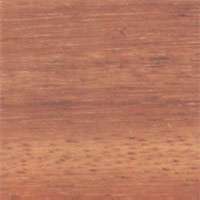
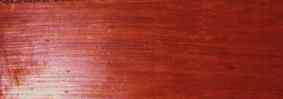
Heartwood Color
| Brown | ||||||||||||
| Red | ||||||||||||
| Black | ||||||||||||
| Purple | ||||||||||||
| Green/grey | ||||||||||||
| Reddish brown | ||||||||||||
| Dark brown | ||||||||||||
| Brown |
Sapwood Color
| White | ||||||||||||
| Yellow | ||||||||||||
| White to yellow | ||||||||||||
| Pinkish | ||||||||||||
| Paler than heartwood |
Grain
| Even | ||||||||||||
| Interlocked | ||||||||||||
| Straight |
| Straight | ||||||||||||
| Interlocked |
Texture
| Medium | ||||||||||||
| Fine | ||||||||||||
| Fine |
Luster
| Medium |
Natural Growth Defects
| Gum and mineral deposits |
Natural Durability
| Very durable | ||||||||||||
| Durable | ||||||||||||
| Resistant to marine borers | ||||||||||||
| Susceptible to insect attack | ||||||||||||
| Resistant to termites | ||||||||||||
| Resistant to powder post beetles | ||||||||||||
| Very durable | ||||||||||||
| Resistant to attack from termites (Isoptera) | ||||||||||||
| Susceptible to attack from termites (Isoptera) | ||||||||||||
| Susceptible to attack from powder post (Lyctid & Bostrychid) beetles | ||||||||||||
| Resistant to attack from marine borers | ||||||||||||
| Durable |
Silica Content
| High | ||||||||||||
| Siliceous |
Light-Induced Color Change
| None |
Kiln Schedules
| Dry at a slow speed |
Drying Defects
| Checking | ||||||||||||
| Splitting | ||||||||||||
| Distortion |
Ease of Drying
| Moderately Difficult to Difficult | ||||||||||||
| Fairly Easy | ||||||||||||
| Rapidly | ||||||||||||
| Slowly |
Kiln Drying Rate
| Naturally dries at a moderate speed | ||||||||||||
| Naturally dries quickly |
Tree Size
| Tree height is 30-40 m | ||||||||||||
| Bole length is 10-20 m | ||||||||||||
| Tree height is 20-30 m | ||||||||||||
| Sapwood width is 5-10 cm | ||||||||||||
| Sapwood width is 0-5 cm | ||||||||||||
| Bole length is 20-30 m | ||||||||||||
| Sapwood width is 10-15 cm | ||||||||||||
| Bark width is 15-20 mm | ||||||||||||
| Bark width is 5-10 mm | ||||||||||||
| Bark width is 10-15 mm | ||||||||||||
| Tree height is 40-50 m |
Blunting Effect
| High to severe |
Cutting Resistance
| Fairly Difficult to Very Difficult to saw | ||||||||||||
| Cutting Resistance with dry wood is easy |
Gluing
| Easy to glue |
Movement in Service
| Unstable with Poor Stability – Large Movement | ||||||||||||
| Fair to Good Stability – Medium Movement |
Nailing
| Difficult to nail | ||||||||||||
| Possible if prebored |
Planing
| Planes well, to a good finish | ||||||||||||
| Easy to plane | ||||||||||||
| Difficult to plane |
Resistance to Impregnation
| Heartwood is highly resistant |
Response to Hand Tools
| Fairly Difficult to Difficult to Work | ||||||||||||
| Easy to Work | ||||||||||||
| Difficult to machine |
Turning
| Easy to turn |
Polishing
| Very Good to Excellent Results | ||||||||||||
| Fair to Good Results | ||||||||||||
| Satisfactory results | ||||||||||||
| Good results |
Varnishing
| Good results |
Strength Properties
| Max. crushing strength = very high | ||||||||||||
| Shearing strength (parallel to grain) = high | ||||||||||||
| Modulus of Elasticity (stiffness) = high | ||||||||||||
| Density (dry weight) = 61-67 lbs/cu.ft | ||||||||||||
| Bending strength (MOR) = high | ||||||||||||
| Hardness (side grain) = hard | ||||||||||||
| Bending strength (MOR) = very high | ||||||||||||
| Work to maximum Load = medium | ||||||||||||
| Toughness-Hammer drop (Impact Strength) = medium | ||||||||||||
| Shrinkage, Tangential = large | ||||||||||||
| Shrinkage, Radial = large | ||||||||||||
| Shearing strength (parallel to grain) = medium | ||||||||||||
| Shearing strength (parallel to grain) = low | ||||||||||||
| Modulus of Elasticity (stiffness) = medium | ||||||||||||
| Max. crushing strength = high | ||||||||||||
| Hardness (side grain) = medium | ||||||||||||
| Bending strength (MOR) = low | ||||||||||||
| Toughness (total work) = medium | ||||||||||||
| Shrinkage, Tangential = very small | ||||||||||||
| Shrinkage, Tangential = fairly large | ||||||||||||
| Shrinkage, Radial = small | ||||||||||||
| Shrinkage, Radial = fairly large | ||||||||||||
| Max. crushing strength = medium | ||||||||||||
| Density (dry weight) = 67-75 lbs/cu. ft | ||||||||||||
| Bending strength (MOR) = medium |
Numerical Data
| Item | Green | Dry | English |
| Bending Strength | 13830 | 20576 | psi |
| Density | 58 | lbs/ft3 | |
| Hardness | 2513 | lbs | |
| Impact Strength | 40 | inches | |
| Maximum Crushing Strength | 8908 | 12273 | psi |
| Shearing Strength | 2630 | psi | |
| Stiffness | 2041 | 2352 | 1000 psi |
| Toughness | 250 | inch-lbs | |
| Work to Maximum Load | 12 | 17 | inch-lbs/in3 |
| Weight | 57 | 51 | lbs/ft3 |
| Radial Shrinkage | 5 | % | |
| Tangential Shrinkage | 8 | % | |
| Item | Green | Dry | Metric |
| Bending Strength | 972 | 1446 | kg/cm2 |
| Density | 929 | kg/m3 | |
| Hardness | 1139 | kg | |
| Impact Strength | 101 | cm | |
| Maximum Crushing Strength | 626 | 862 | kg/cm2 |
| Shearing Strength | 184 | kg/cm2 | |
| Stiffness | 143 | 165 | 1000 kg/cm2 |
| Toughness | 288 | cm-kg | |
| Work to Maximum Load | 0.84 | 1.19 | cm-kg/cm3 |
| Weight | 913 | 817 | kg/m3 |
| Radial Shrinkage | 5 | % |
References
Armstrong, F.H.,1960,The Strength Properties of Timber,Forest Products Research Laboratory, London Bulletin,No.45
Banks, C.H., Schoeman, J.P., Otto, K.P.,1977,The Mechanical Properties of Timbers with particular reference to South,Africa,South African Forestry Research Institute Bulletin,(Ed.,Schoeman, J.P. 1973 & Otto K.P. 1976,No.48
Banks, C.H.,1954,The Mechanical Properties of Timbers with Particular Reference to those,grown in the Union of South Africa,Journal of the South African Forestry Association,No. 24 pp.44-65,[South,African Forestry Journal]
Bois, P.J.,1966,The Strength Properties of Tanzania Timbers,Tanzania Forest Div. Util. Sec. Moshi Tech. Note, No.35
Bolza, E., Keating, W.G.,1972,African Timbers – the Properties, Uses and Characteristics of 700 Species,C.S.I.R.O. Div. of Building Research
Fanshawe, D.B.,1962,Fifty Common Trees of Northern Rhodesia,Natural Resources Board and Forestry Department, Ndola
Goldsmith, B., Carter, D.T.,1981,The Indigenous Timbers of Zimbabwe,Forestry Commission, Zimbabwe Research Bulletin No.9
Irvine, F.R.,1961,Woody Plants of Ghana,O.U.P. London
Keay, R.W.J.,1964,Nigerian Trees Vol.2,Nigeria Federal Department of Forest Research, Ibadan
Lavers, G.M.,1983,The Strength Properties of Timber (3rd ed. revised Moore G.L.,Forest Products Research Laboratory, Princes Risborough, Building Research,Establishment Report (formerly Bulletin No.50)
Murira, K.,1984,Natural Durability Tests of Tanzanian Timbers 1955 – 1982,Tanzania Forestry Research Institute, Timber Utilisation Research Centre,,Moshi.
Pardy, A.A.,1955,Notes on Indigenous Trees and Shrubs of S. Rhodesia – Erythophleum,africanum,Ministry of Agriculture and Lands S. Rhodesia Bulletin,No.1851
Takahashi, A.,1978,Compilation of Data on the Mechanical Properties of Foreign Woods (Part,III) Africa,Shimane University, Japan, Research Report on Foreign Wood No. 7
Tanzania Forest Department,1960,The Natural Durability of Local Timbers,Tanzanian Forest Dept. Tech. Note,No.14
White, F.,1962,Forest Flora of Northern Rhodesia,O.U.P. London