Scientific Name
Eucalyptus botryoides
Trade Name
Australian southern mahogany
Family Name
Myrtaceae

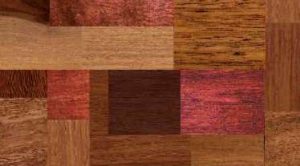
Common Names
Australian southern mahogany, Bangalay, Botryoides gum, Gippsland mahogany, Mahogany, Mahogany gum, Southern mahongany
Regions of Distribution
Oceania and S.E. Asia
Countries of Distribution [VIEW MAP]
Australia
Common Uses
Boat building (general), Cabinetmaking, Fuelwood, Furniture, Handles: general, Heavy construction, Light construction, Paneling, Posts, Railroad ties, Turnery, Vehicle parts, Veneer
Heartwood Color
| Red | ||||||||||||
| Brown | ||||||||||||
| Purple | ||||||||||||
| Pink | ||||||||||||
| Reddish brown | ||||||||||||
| Red |
Sapwood Color
| Brown | ||||||||||||
| Different than heartwood |
Grain
| Even | ||||||||||||
| Interlocked | ||||||||||||
| Straight |
| Interlocked | ||||||||||||
| Straight |
Texture
| Medium | ||||||||||||
| Coarse | ||||||||||||
| Even or uniform | ||||||||||||
| Uniform | ||||||||||||
| Medium | ||||||||||||
| Medium to coarse | ||||||||||||
| Coarse |
Natural Durability
| Durable | ||||||||||||
| Susceptible to insect attack | ||||||||||||
| Moderately durable | ||||||||||||
| Non-durable | ||||||||||||
| Resistant to powder post beetles | ||||||||||||
| Non-resistant to termites | ||||||||||||
| Perishable | ||||||||||||
| Non-resistant to marine borers | ||||||||||||
| Sapwood resistant to powder post beetle | ||||||||||||
| Durable | ||||||||||||
| Susceptible to attack from termites (Isoptera) | ||||||||||||
| Moderately durable |
Odor
| Has an odor |
Kiln Schedules
| Dry at a slow speed |
Drying Defects
| Checking | ||||||||||||
| Distortion | ||||||||||||
| Splitting | ||||||||||||
| Collapse | ||||||||||||
| Internal Honeycombing Possible |
Ease of Drying
| Fairly Easy | ||||||||||||
| Moderately Difficult to Difficult | ||||||||||||
| Medium to High Shrinkage |
Kiln Drying Rate
| Slow | ||||||||||||
| Drying rate is slow |
Tree Identification
| Bole/stem form is not buttressed |
Tree Size
| Trunk diameter is 250-300 cm | ||||||||||||
| Tree height is 50-60 m | ||||||||||||
| Tree height is 60-70 m | ||||||||||||
| Tree height is 40-50 m | ||||||||||||
| Bole length is 20-30 m | ||||||||||||
| Trunk diameter is 300-350 cm | ||||||||||||
| Trunk diameter is 200-250 cm | ||||||||||||
| Trunk diameter is 150-200 cm | ||||||||||||
| Bole length is 30-40 m | ||||||||||||
| Tree height is greater than 70 m | ||||||||||||
| Trunk diameter is 100-150 cm | ||||||||||||
| Trunk diameter is 350-400 cm |
Blunting Effect
| High to severe | ||||||||||||
| Blunting effect on machining is slight |
Boring
| Fairly difficult to very difficult | ||||||||||||
| Poor to very poor results | ||||||||||||
| Easy |
Carving
| Poor to Very Poor Results | ||||||||||||
| Fairly Difficult to Very Difficult |
Cutting Resistance
| Fairly Difficult to Very Difficult to saw |
Gluing
| Fairly Easy to Very Easy | ||||||||||||
| Fair to Good Results | ||||||||||||
| Fairly Difficult to Very Difficult |
Moulding
| Good finishing results |
Movement in Service
| Unstable with Poor Stability – Large Movement |
Nailing
| Fairly Difficult to Very Difficult | ||||||||||||
| Very Good to Excellent Results | ||||||||||||
| Fair to Good Results | ||||||||||||
| Possible if prebored |
Planing
| Fairly Easy to Very Easy | ||||||||||||
| Fairly Difficult to Very Difficult | ||||||||||||
| Poor to Very Poor Results | ||||||||||||
| Planes well, to a good finish |
Resistance to Impregnation
| Resistant heartwood | ||||||||||||
| Permeable sapwood | ||||||||||||
| Resistant sapwood |
Response to Hand Tools
| Fairly Difficult to Difficult to Work | ||||||||||||
| Responds Poorly | ||||||||||||
| Easy to Work |
Sanding
| Poor to Very Poor Results | ||||||||||||
| Fairly Difficult to Very Difficult | ||||||||||||
| Easy to sand |
Screwing
| Very Good to Excellent Results | ||||||||||||
| Fair to Good Results | ||||||||||||
| Possible if prebored |
Turning
| Fairly Difficult to Very Difficult | ||||||||||||
| Poor to Very Poor Results | ||||||||||||
| Good results |
Veneering Qualities
| Suitable for peeling |
Steam Bending
| Fair to Good Results |
Polishing
| Fair to Good Results | ||||||||||||
| Very Good to Excellent Results | ||||||||||||
| Fairly Easy to Very Easy |
Staining
| Fair to Good Results |
Strength Properties
| Modulus of Elasticity (stiffness) = high | ||||||||||||
| Max. crushing strength = high | ||||||||||||
| Bending strength (MOR) = high | ||||||||||||
| Density (dry weight) = 53-60 lbs/cu. ft | ||||||||||||
| Density (dry weight) = 61-67 lbs/cu.ft | ||||||||||||
| Bending strength (MOR) = medium | ||||||||||||
| Shearing strength (parallel to grain) = medium | ||||||||||||
| Max. crushing strength = medium | ||||||||||||
| Density (dry weight) = 46-52 lbs/cu. ft. | ||||||||||||
| Shrinkage, Tangential = large | ||||||||||||
| Shrinkage, Radial = moderate | ||||||||||||
| Shearing strength (parallel to grain) = high | ||||||||||||
| Hardness (side grain) = medium | ||||||||||||
| Hardness (side grain) = hard |
Numerical Data
| Item | Green | Dry | English |
| Bending Strength | 12025 | 18632 | psi |
| Density | 56 | lbs/ft3 | |
| Hardness | 1987 | lbs | |
| Maximum Crushing Strength | 6302 | 9236 | psi |
| Shearing Strength | 2365 | psi | |
| Stiffness | 2167 | 2494 | 1000 psi |
| Weight | 55 | 44 | lbs/ft3 |
| Radial Shrinkage | 4 | % | |
| Tangential Shrinkage | 10 | % | |
| Item | Green | Dry | Metric |
| Bending Strength | 845 | 1309 | kg/cm2 |
| Density | 897 | kg/m3 | |
| Hardness | 901 | kg | |
| Maximum Crushing Strength | 443 | 649 | kg/cm2 |
| Shearing Strength | 166 | kg/cm2 | |
| Stiffness | 152 | 175 | 1000 kg/cm2 |
| Weight | 881 | 705 | kg/m3 |
| Radial Shrinkage | 4 | % |
References
Banks, C.H., Schoeman, J.P., Otto, K.P.,1977,The Mechanical Properties of Timbers with particular reference to South,Africa,South African Forestry Research Institute Bulletin,(Ed.,Schoeman, J.P. 1973 & Otto K.P. 1976,No.48
Boas, I.H.,1947,The Commercial Timbers of Australia – Their Properties and Uses,Council for Scientific and Industrial Research, Melbourne
Bolza, E., Kloot, N.H.,1963,The Mechanical Properties of 174 Australian Timbers,C.S.I.R.O. Division of Forest Products Technological Paper,No.25
Gay, F.J., Et al,1955,Standard laboratory colonies of termites for evaluating the resistance of,timber, timber preservatives and other materials to termite attack.,C.S.I.R.O., Australia Bulletin,No.277
Gerhards, C.C.,1963,Some Strength and Related Properties of Green Wood of Hawaiian Eucalyptus,saligna,Forest Products Laboratory, Forest Service, U.S. Department of,Agriculture, Research Note No. FPL-09
Haslett, A.N.,1990,Properties and utilisation of exotic speciality timbers grown in New,Zealand Part VI: Eastern Blue Gums and Stringy Barks Eucalyptus,botryoides, E.saligna, E.globoidea, E.muellerana, E.pilaruis,New Zealand Forest Service, Forest Research Institute, FRI Bulletin No.119
Murira, K.,1984,Natural Durability Tests of Tanzanian Timbers 1955 – 1982,Tanzania Forestry Research Institute, Timber Utilisation Research Centre,,Moshi.
Scott, M.H.,1935,Weights of South African Growth Timbers,South African Department of Agriculture and Forestry Bulletin,No.145,Forest Products Institute, Forestry Series No.1
Takahashi, A.,1978,Compilation of Data on the Mechanical Properties of Foreign Woods (Part,III) Africa,Shimane University, Japan, Research Report on Foreign Wood No. 7