Scientific Name
Guibourtia tessmannii
Trade Name
Bubinga
Family Name
Leguminosae
Common Names
Akume, Binbinga, Bubinga, Buvenga, Essingang, Kevazingo, Lianu, Moubaka, Mouega, Mutenye, Ovang, Oveng, Waka, Waku
Regions of Distribution
Africa
Countries of Distribution [VIEW MAP]
Cameroon, Congo, Equatorial Guinea, Gabon, Zaire
Common Uses
Boat building (general), Boat building, Boxes and crates, Brush backs & handles, Cabinetmaking, Canoes, Carvings, Chairs, Chests, Concealed parts (Furniture), Decorative veneer, Desks, Dining-room furniture, Domestic flooring, Dowell pins, Dowells, Drawer sides, Figured veneer, Fine furniture, Floor lamps, Flooring, Furniture , Furniture components, Furniture squares or stock, Furniture, Handles, Hatracks, Interior construction, Joinery, Kitchen cabinets, Lifeboats, Living-room suites, Millwork, Mine timbers, Musical instruments, Office furniture, Paneling, Parquet flooring, Plywood, Radio – stereo – TV cabinets, Railroad ties, Rustic furniture, Shafts/Handles, Shipbuilding, Stair rails, Stairworks, Stools, Stringers, Sub-flooring, Tables , Tool handles, Turnery, Utility furniture, Vehicle parts, Veneer: decorative
Environmental Profile
| Status has not been officially assessed |
Distribution Overview
Cameroon, Gabon, Zaire and the Ivory Coast.
Heartwood Color
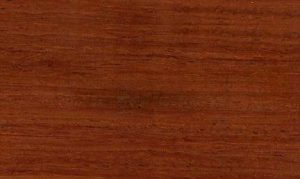
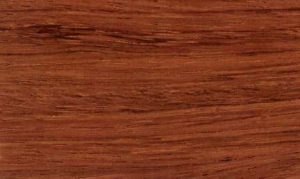
| Red | ||||||||||||
| Brown | ||||||||||||
| Purple | ||||||||||||
| Reddish brown | ||||||||||||
| Yellow upon exposure | ||||||||||||
| Yellow to golden-yellow to orange | ||||||||||||
| Pale red to pink | ||||||||||||
| Pale brown | ||||||||||||
| Light red/purple veins | ||||||||||||
| Dark brown | ||||||||||||
| Brown |
Sapwood Color
| Pink | ||||||||||||
| White | ||||||||||||
| Brown | ||||||||||||
| Yellow | ||||||||||||
| White to yellow | ||||||||||||
| Well defined | ||||||||||||
| Whitish | ||||||||||||
| Paler than heartwood |
Grain
| Figure | ||||||||||||
| Distinct (figure) | ||||||||||||
| Straight | ||||||||||||
| Interlocked | ||||||||||||
| Even | ||||||||||||
| Wavy | ||||||||||||
| Closed | ||||||||||||
| Other (figure) |
| Straight | ||||||||||||
| Distinct figure | ||||||||||||
| Interlocked | ||||||||||||
| Wavy | ||||||||||||
| Straight to interlocked | ||||||||||||
| Other figure | ||||||||||||
| Distinct and very fine figure |
Logs with very irregular grain are rotary cut into veneers called Kevasingo .
Texture
| Medium | ||||||||||||
| Even or uniform | ||||||||||||
| Uniform | ||||||||||||
| Fine | ||||||||||||
| Medium to coarse | ||||||||||||
| Medium | ||||||||||||
| Fine to medium | ||||||||||||
| Even textured |
Luster
| Lustrous |
Natural Growth Defects
| Gum/resin streaks | ||||||||||||
| Gum/resin exudation |
Natural Durability
| Durable | ||||||||||||
| Susceptible to insect attack | ||||||||||||
| Non-resistant to powder post beetles | ||||||||||||
| Non-resistant to termites | ||||||||||||
| Resistant to marine borers | ||||||||||||
| Resistant to attack from termites (Isoptera) | ||||||||||||
| Resistant to attack from powder post (Lyctid & Bostrychid) beetles | ||||||||||||
| Durable | ||||||||||||
| Moderately durable | ||||||||||||
| Susceptible to attack from termites (Isoptera) | ||||||||||||
| Susceptible to attack from powder post (Lyctid & Bostrychid) beetles | ||||||||||||
| Resistant to termite and xylophagous beetle attack | ||||||||||||
| Resistant to decay | ||||||||||||
| Pinworms (ambrosia beetles) are commonly present |
Logs are reported to require prompt removal from the forest and some form of protection against attack by insects.
Odor
| Unpleasant odor when first cut |
Silica Content
| Siliceous |
Kiln Schedules
| Dry at a slow speed | ||||||||||||
| T2 – C2 (4/4) US | ||||||||||||
| T2 – C1 (8/4) US |
Drying Defects
| Internal Honeycombing Possible | ||||||||||||
| Collapse | ||||||||||||
| No end splitting | ||||||||||||
| Slow seasoning prevents degrade | ||||||||||||
| Slight end splitting | ||||||||||||
| Moderate end spitting |
Ease of Drying
| Moderately Difficult to Difficult | ||||||||||||
| Fairly Easy | ||||||||||||
| Reconditioning Treatement | ||||||||||||
| Thick Stock Requires Care | ||||||||||||
| Requires special attention | ||||||||||||
| Easy | ||||||||||||
| Gum exudation may present difficulties |
Kiln Drying Rate
| Drying rate is fairly rapid to fast |
Tree Identification
| Bole/stem form is buttressed | ||||||||||||
| Bole/stem form is straight | ||||||||||||
| Bole/stem form is cylindrical |
Tree Size
| Bole length is 20-30 m | ||||||||||||
| Bole length is 10-20 m | ||||||||||||
| Sapwood width is 5-10 cm | ||||||||||||
| Trunk diameter is 100-150 cm | ||||||||||||
| Tree height is 30-40 m | ||||||||||||
| Tree height is 20-30 m | ||||||||||||
| Trunk diameter is 150-200 cm |
Product Sources
The ITTO reports that the species is a regular source of timber for export.
Bubinga is available in lumber form on the US market. Imported logs are massive, and may weigh as much as 10 tons.
Substitutes
Muiracataria (Astronium leicointei) and Pao rosa (Swartzia fistuloides)
Comments
Four fairly well known species, all native to Africa, are represented by the genus Guibourtia. The species are botanically similar but are very different in color. The most plentiful is Bubinga, produced by G. tessmannii , and G. pellegriniana . The rest are Benge or Mutenye which is produced by G. arnoldiana , Ovangkol or Ehie from G. ehie , and Rhodesian copalwood from G. coleosperma , which is less plentiful in international trade
General finishing qualities are rated as good
Blunting Effect
| High to severe | ||||||||||||
| Blunting effect on sawing dry wood is moderate | ||||||||||||
| Blunting effect on machining is slight | ||||||||||||
| Moderate to severe blunting effect | ||||||||||||
| Blunting effect on machining is moderate |
Boring
| Fairly difficult to very difficult | ||||||||||||
| Good results |
Carving
| Fairly Difficult to Very Difficult | ||||||||||||
| Generally good results |
Cutting Resistance
| Fairly Difficult to Very Difficult to saw | ||||||||||||
| Cutting Resistance with dry wood is easy | ||||||||||||
| Easy to saw |
Gluing
| Easy to glue | ||||||||||||
| Glues poorly due to gum pockets | ||||||||||||
| Difficult to glue |
Mortising
| Fairly Difficult to Very Difficult | ||||||||||||
| Easy to mortise |
Moulding
| Fairly Difficult to Very Difficult | ||||||||||||
| Poor to Very Poor Results | ||||||||||||
| Easy to mould | ||||||||||||
| Reduction in cutting angle avoids tearing from irregular grain | ||||||||||||
| Good finishing results |
Movement in Service
| Stable | ||||||||||||
| Small | ||||||||||||
| Holds shape well after manufacture |
Nailing
| Fairly Difficult to Very Difficult | ||||||||||||
| Very Good to Excellent Results | ||||||||||||
| Fair to Good Results | ||||||||||||
| Pre-boring recommended | ||||||||||||
| Difficult to nail | ||||||||||||
| Holds nails well | ||||||||||||
| Easy to nail |
Planing
| Fairly Difficult to Very Difficult | ||||||||||||
| Fairly Easy to Very Easy | ||||||||||||
| Very Good to Excellent Results | ||||||||||||
| Fair to Good Results | ||||||||||||
| Easy to plane | ||||||||||||
| Planes well, to a good finish | ||||||||||||
| Reduction of cutting angle prevents tearing in areas of irregular grain |
Resistance to Impregnation
| Resistant sapwood | ||||||||||||
| Resistant heartwood | ||||||||||||
| Heartwood is resistant | ||||||||||||
| Sapwood is permeable | ||||||||||||
| Heartwood is extremely resistant |
Response to Hand Tools
| Easy to Work | ||||||||||||
| Fairly Difficult to Difficult to Work | ||||||||||||
| Easy to machine | ||||||||||||
| Good response |
Routing & Recessing
| Fairly Difficult to Very Difficult | ||||||||||||
| Routing yields good results |
Sanding
| Fair to Good Results | ||||||||||||
| Fairly Easy to Very Easy | ||||||||||||
| Good sanding qualities | ||||||||||||
| Good sanding finish | ||||||||||||
| Easy to sand |
Screwing
| Possible if prebored | ||||||||||||
| Screwing yields good results |
Turning
| Fair to Good Results | ||||||||||||
| Very Good to Excellent Results | ||||||||||||
| Easy to turn | ||||||||||||
| Turns well despite hardness |
Veneering Qualities
| Various figures can yield decorative veneers | ||||||||||||
| Bolt preparation requires steaming |
Polishing
| Very Good to Excellent Results | ||||||||||||
| Satisfactory results | ||||||||||||
| Excellent results |
Staining
| Staining is easy | ||||||||||||
| Finish is generally good |
Varnishing
| Satisfactory |
Strength Properties
| Bending strength (MOR) = high | ||||||||||||
| Shrinkage, Radial = fairly large | ||||||||||||
| Max. crushing strength = high | ||||||||||||
| Shrinkage, Tangential = large | ||||||||||||
| Shrinkage, Radial = large | ||||||||||||
| Shrinkage, Volumetric = fairly large | ||||||||||||
| Shrinkage, Tangential = moderate | ||||||||||||
| Density (dry weight) = 53-60 lbs/cu. ft. | ||||||||||||
| Shrinkage, Tangential = small | ||||||||||||
| Shrinkage, Tangential = fairly large | ||||||||||||
| Shearing strength (parallel to grain) = low | ||||||||||||
| Modulus of Elasticity (stiffness) = medium | ||||||||||||
| Hardness (side grain) = hard | ||||||||||||
| Density (dry weight) = 46-52 lbs/cu. ft. | ||||||||||||
| Shrinkage, Volumetric = moderate | ||||||||||||
| Shrinkage, Volumetric = large | ||||||||||||
| Modulus of Elasticity (stiffness) = high | ||||||||||||
| Hardness (side grain) = very hard | ||||||||||||
| Bending strength (MOR) = very high | ||||||||||||
| Shearing strength (parallel to grain) = medium | ||||||||||||
| Density (dry weight) = 61-67 lbs/cu. ft. | ||||||||||||
| Bending strength (MOR) = medium |
Numerical Data
| Item | Green | Dry | English |
| Bending Strength | 14616 | 22360 | psi |
| Density | 56 | lbs/ft3 | |
| Hardness | 2619 | lbs | |
| Maximum Crushing Strength | 6899 | 10079 | psi |
| Shearing Strength | 1721 | psi | |
| Stiffness | 1866 | 2242 | 1000 psi |
| Specific Gravity | 0.8 | ||
| Weight | 53 | 53 | lbs/ft3 |
| Radial Shrinkage | 5 | % | |
| Tangential Shrinkage | 8 | % | |
| Volumetric Shrinkage | 13 | % | |
| Item | Green | Dry | Metric |
| Bending Strength | 1027 | 1572 | kg/cm2 |
| Density | 897 | kg/m3 | |
| Hardness | 1187 | kg | |
| Maximum Crushing Strength | 485 | 708 | kg/cm2 |
| Shearing Strength | 121 | kg/cm2 | |
| Stiffness | 131 | 157 | 1000 kg/cm2 |
| Specific Gravity | 0.8 | ||
| Weight | 849 | 849 | kg/m3 |
| Radial Shrinkage | 5 | % | |
| Tangential Shrinkage | 8 | % |
References
Bois et Forets des Tropiques,1949,Bubinga (Guiboutia spp,Bois et Forets des Tropiques,No.12,pp429-432
Bois et Forets des Tropiques,1977,Bubinga (Guibourtia spp,Bois et Forets des Tropiques,No.173, pp23-35
Bolza, E., Keating, W.G.,1972,African Timbers – the Properties, Uses and Characteristics of 700 Species,C.S.I.R.O. Div. of Building Research
Erfurth, T., Rusche, H.,1976,The Marketing of Tropical Wood A. Wood Species from African Moist Forests,F.A.O. Forestry Department
Farmer, R.H.,1972,Handbook of Hardwoods,HMSO
France – C.T.F.T.,1959,Bois a Parquets,C.T.F.T.,Information Tec.,No.6
France – C.T.F.T.,1961,Resultats des Observations et des Essais effectues au C.T.F.T. sur Bubinga,(Guibourtia spp.,C.T.F.T.,Information Tec.,No.118
France – C.T.F.T.,1966,Bois Tropicaux,C.T.F.T. Publ.,12
France – C.T.F.T.,1977,Promotion of African Timbers – New Species,CTFT,35 Leaflets
HMSO. 1981. Handbook of Hardwoods, 2nd Edition. Revised by R. H. Farmer. Department of the Environment, Building Research Establishment, Princes Risborough Laboratory, Princes Risborough, Aylesbury, Buckinghamshire.
Hughes, J.F.,1971,The Principal Timber Trees of Cameroon,Unpublished data
ITTO. 1986. Tropical Timber Atlas, Volume 1 – Africa. International Tropical Timber Organization (ITTO) and Centre Technique Forestier Tropical (CTFT, 45bis, Avenue de la Belle Gabrielle, Nogent-sur-Marne Cedex, France.
Jay, B.A.,1968,Timbers of West Africa,TRADA, Red Booklet Series
Kline, M. 1978. Guibourtia tessmanii – Bubinga. In A Guide to Useful Woods of the World. Flynn Jr., J.H., Editor. King Philip Publishing Co., Portland, Maine. Page 182.
Lincoln, W.A. 1986. World Woods in Color. Linden Publishing Co. Inc., Fresno, California.
Organisation for European Economic Co-operation,1951,African Tropical Timber (Nomenclature, Description,OEEC
Rendle, B.J. Editor. 1969. World Timbers, Volume One – Europe & Africa. Published by Ernest Benn Limited, Bouverie House, Fleet Street, London.
Rendle, B.J.,1969,World Timbers (3 Vols.,Ernest Benn Ltd. London
Saint-Aubin, G. de,1963,La Foret du Gabon,CTFT Publ., No.21
Sallenave, P.,1955,Proprietes Phyiques et Mecaniques des Bois Tropicaux de l’Union Francaise,C.T.F.T
Sallenave, P.,1964,Proprietes Physiques et Mecaniques des Bois Tropicaux (Premier Supplement,C.T.F.T. Publ.,no.23
Takahashi, A.,1978,Compilation of Data on the Mechanical Properties of Foreign Woods (Part,III) Africa,Shimane University, Japan, Research Report on Foreign Wood No. 7