Scientific Name
Persea lingue
Trade Name
Lingue
Family Name
Lauraceae
Common Names
Aquacate, Aquacate de an�s, Aquacatillo, Aquacote chico, Aquacote cimarron, Aquacote climarr�n, Aquacote de anis, Canela rosa, Canela ruiva, Chico, Isabella wood, Laurel tree, Line, Lingue, Litchi, Palto jeia, Palto-jeia, Peche marron, P�che marron
Regions of Distribution
Central America, Latin America
Countries of Distribution [VIEW MAP]
Bahamas, Brazil, Chile, Columbia, Cuba, Dominican Republic, Haiti, Jamaica, Mexico, Peru
Common Uses
Balusters, Boxes and crates, Building materials, Casks, Ceiling, Chairs, Chests, Concealed parts (Furniture), Core Stock, Decorative veneer, Desks, Dining-room furniture, Domestic flooring, Dowell pins, Dowells, Drawer sides, Excelsior, Factory flooring, Figured veneer, Fine furniture, Floor lamps, Flooring, Furniture , Furniture components, Furniture squares or stock, Furniture, Hatracks, Interior construction, Interior trim, Joinery, Kitchen cabinets, Light construction, Living-room suites, Millwork, Office furniture, Packing cases, Paneling, Parquet flooring, Plain veneer, Plywood, Radio – stereo – TV cabinets, Rustic furniture, Utility plywood, Veneer, Veneer: decorative
Environmental Profile
| Rare | ||||||||||||
| Data source is World Conservation Monitoring Center | ||||||||||||
| Considered vulnerable in its natural habitat because its numbers are threatened by serious adverse factors throughout its range. However, the species likely exists today in relatively large numbers. |
Distribution Overview
The species occurs throughout tropical America, from the West Indies and southern Mexico southward to Chile. It is also widely planted from Coquimbo to Valparaiso and Santiago in Chile.
Heartwood Color
| White | ||||||||||||
| Brown | ||||||||||||
| Yellow | ||||||||||||
| Orange | ||||||||||||
| Pink | ||||||||||||
| Red | ||||||||||||
| Pale brown | ||||||||||||
| Yellow to golden-yellow to orange | ||||||||||||
| Reddish brown | ||||||||||||
| Red |
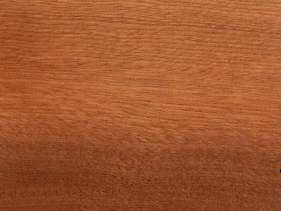
The heartwood is variable in color, but it is commonly reddish-brown or pinkish. The timber is often knotty
Sapwood Color
| Red | ||||||||||||
| Brown | ||||||||||||
| Yellow | ||||||||||||
| White | ||||||||||||
| Grey | ||||||||||||
| Cream colored to light brown or reddish brown, or pale yellow to pale brown |
Sometimes, sharply demarcated from the heartwood
Grain
| Straight | ||||||||||||
| Figure | ||||||||||||
| Interlocked | ||||||||||||
| Other (figure) | ||||||||||||
| Even | ||||||||||||
| Distinct (figure) |
| Straight | ||||||||||||
| Interlocked | ||||||||||||
| Other figure | ||||||||||||
| Distinct figure |
The grain is straight to irregular
Texture
| Fine | ||||||||||||
| Medium | ||||||||||||
| Medium coarse to coarse | ||||||||||||
| Medium | ||||||||||||
| Fine | ||||||||||||
| Fine to medium | ||||||||||||
| Coarse |
Luster
| Medium | ||||||||||||
| Low | ||||||||||||
| High | ||||||||||||
| Lustrous | ||||||||||||
| Medium to high |
Natural Durability
| Non-durable | ||||||||||||
| Perishable | ||||||||||||
| Susceptible to insect attack | ||||||||||||
| Moderately durable | ||||||||||||
| Sapwood non-resistant to furniture beetles | ||||||||||||
| Resistant to powder post beetles | ||||||||||||
| Moderately durable | ||||||||||||
| Susceptible to attack from powder post (Lyctid & Bostrychid) beetles | ||||||||||||
| Non durable | ||||||||||||
| Sapwood susceptible to attack by powder post beetles | ||||||||||||
| Heartwood has moderate natural resistance to decay |
Odor
| Has an odor | ||||||||||||
| No specific smell or taste |
Toxicity
| Some toxic effects |
Drying Defects
| Splitting | ||||||||||||
| Distortion | ||||||||||||
| Checking | ||||||||||||
| Loose Knots | ||||||||||||
| Moderate twist/warp | ||||||||||||
| Warping can be expected | ||||||||||||
| Slight twist/warp | ||||||||||||
| Slight collapse and honeycomb | ||||||||||||
| Severe twisting/warping | ||||||||||||
| No collapse/honeycomb | ||||||||||||
| Collapse |
Ease of Drying
| Fairly Easy | ||||||||||||
| Moderately Difficult to Difficult | ||||||||||||
| Rapidly | ||||||||||||
| Slowly | ||||||||||||
| Reconditioning Treatement | ||||||||||||
| Thick Stock Requires Care | ||||||||||||
| Requires special attention | ||||||||||||
| Little degrade | ||||||||||||
| Easy | ||||||||||||
| Variable results. | ||||||||||||
| Difficulty is rated as easy to moderate |
Kiln Drying Rate
| Naturally dries quickly | ||||||||||||
| Naturally dries at a moderate speed |
Tree Size
| Trunk diameter is 100-150 cm | ||||||||||||
| Tree height is 30-40 m | ||||||||||||
| Tree height is 20-30 m | ||||||||||||
| Trunk diameter is 150-200 cm |
The tree is reported to attain a height of up to 60 to 65 feet (18 to 20 m), with a trunk diameter of up to 40 inches (100 cm).
Certified Source
| Certified Source |
Comments
General finishing qualities are rated as good
Blunting Effect
| Moderate | ||||||||||||
| Little | ||||||||||||
| High to severe | ||||||||||||
| Blunting effect on machining is slight | ||||||||||||
| Slight dulling effect on cutting tools |
Boring
| Fair to good results | ||||||||||||
| Fairly easy to very easy | ||||||||||||
| Easy | ||||||||||||
| Bored surfaces are generally smooth |
Carving
| Easy to carve |
Cutting Resistance
| Easy to saw | ||||||||||||
| Rather low |
Gluing
| Fairly Easy to Very Easy | ||||||||||||
| Fair to Good Results | ||||||||||||
| Fairly Difficult to Very Difficult | ||||||||||||
| Easy to glue |
Mortising
| Fair to Good Results | ||||||||||||
| Fairly Easy to Very Easy | ||||||||||||
| Responds well to hand and machine tools in mortising |
Moulding
| Fair to Good Results | ||||||||||||
| Fairly Easy to Very Easy | ||||||||||||
| Moulds well (70+ % of pieces will yield good to excellent results) |
Movement in Service
| Excellent Stability – Small Movement | ||||||||||||
| Fair to Good Stability – Medium Movement |
Nailing
| Fairly Easy to Very Easy | ||||||||||||
| Fair to Good Results | ||||||||||||
| Very Good to Excellent Results | ||||||||||||
| Holds satisfactorily |
Planing
| Fairly Difficult to Very Difficult | ||||||||||||
| Fairly Easy to Very Easy | ||||||||||||
| Fair to Good Results | ||||||||||||
| Ease of planing is moderate |
For smooth planed surfaces a reduced angle of 20 degrees and sharp cutting edges are recommended because of interlocked grain
Resistance to Impregnation
| Resistant heartwood | ||||||||||||
| Permeable heartwood | ||||||||||||
| Resistant sapwood | ||||||||||||
| Permeable sapwood | ||||||||||||
| Permeability is low | ||||||||||||
| Moderately resistant to preservative treatment | ||||||||||||
| Heartwood is moderately resistant |
Response to Hand Tools
| Easy to Work | ||||||||||||
| Fairly Difficult to Difficult to Work | ||||||||||||
| Responds Readily | ||||||||||||
| Easy to machine | ||||||||||||
| Responds well to hand tools | ||||||||||||
| Moderate working qualities |
Routing & Recessing
| Good routing characteristics |
Sanding
| Fair to Good Results | ||||||||||||
| Fairly Easy to Very Easy | ||||||||||||
| Yields a smooth surface | ||||||||||||
| Yields a clean surface | ||||||||||||
| Good sanding properties |
Screwing
| Fairly Easy to Very Easy | ||||||||||||
| Very Good to Excellent Results | ||||||||||||
| Fair to Good Results | ||||||||||||
| Easy to screw |
Turning
| Fair to Good Results | ||||||||||||
| Fairly Easy to Very Easy |
Turning properties are generally good
Veneering Qualities
| Veneers easily | ||||||||||||
| Suitable for peeling | ||||||||||||
| Veneers moderately easy | ||||||||||||
| Difficult to veneer | ||||||||||||
| No drying degrade |
Steam Bending
| Poor to Very Poor Results | ||||||||||||
| Fairly Difficult to Very Difficult | ||||||||||||
| Moderate | ||||||||||||
| Fairly good response to preservative treatment |
Painting
| Fair to Good Results | ||||||||||||
| Very Good to Excellent Results | ||||||||||||
| Fairly Easy to Very Easy |
Polishing
| Fair to Good Results | ||||||||||||
| Fairly Easy to Very Easy | ||||||||||||
| Satisfactory polishing properties |
Staining
| Fair to Good Results | ||||||||||||
| Fairly Easy to Very Easy | ||||||||||||
| Very Good to Excellent Results | ||||||||||||
| Finish is generally satisfactory | ||||||||||||
| Satisfactory staining properties |
Varnishing
| Fairly Easy to Very Easy | ||||||||||||
| Fair to Good Results | ||||||||||||
| Very Good to Excellent Results |
Strength Properties
| Medium | ||||||||||||
| Density (dry weight) = 31-37 lbs/cu. ft. | ||||||||||||
| Density (dry weight) = 31-37 lbs/cu. ft. | ||||||||||||
| Low | ||||||||||||
| Mor/Bending strength = low | ||||||||||||
| Medium | ||||||||||||
| Shrinkage, Tangential = fairly large | ||||||||||||
| Modulus of Elasticity (stiffness) = very low | ||||||||||||
| Hardness (side grain) = soft | ||||||||||||
| Moderate | ||||||||||||
| Max. crushing strength = low | ||||||||||||
| 38-45 lbs/cu. ft. | ||||||||||||
| 38-45 lbs/cu. ft. | ||||||||||||
| Very low | ||||||||||||
| Shrinkage, Radial = fairly large | ||||||||||||
| Medium | ||||||||||||
| Large | ||||||||||||
| Large | ||||||||||||
| Very low | ||||||||||||
| Toughness-Hammer drop (Impact Strength) = low | ||||||||||||
| Moderate | ||||||||||||
| 46-52 lbs/cu. ft. | ||||||||||||
| 46-52 lbs/cu. ft. |
Trength properties are lower than those of European beech (Fagus sylvatica ), especially in hardness and shock resistance. It is moderately hard and resistant to wearing and marring. It is heavy, and high in density. The bark of the tree is reported to yield tanning, and the grain is similar to that of Guarea spp.
Numerical Data
| Item | Green | Dry | English |
| Bending Strength | 6843 | 11618 | psi |
| Density | 35 | lbs/ft3 | |
| Hardness | 937 | lbs | |
| Impact Strength | 28 | inches | |
| Maximum Crushing Strength | 3260 | 6146 | psi |
| Shearing Strength | 1604 | psi | |
| Stiffness | 1296 | 1548 | 1000 psi |
| Toughness | 210 | inch-lbs | |
| Work to Maximum Load | 10 | inch-lbs/in3 | |
| Specific Gravity | 0.43 | ||
| Weight | 35 | 27 | lbs/ft3 |
| Radial Shrinkage | 5 | % | |
| Tangential Shrinkage | 9 | % | |
| Volumetric Shrinkage | 14 | % | |
| Item | Green | Dry | Metric |
| Bending Strength | 481 | 816 | kg/cm2 |
| Density | 560 | kg/m3 | |
| Hardness | 425 | kg | |
| Impact Strength | 71 | cm | |
| Maximum Crushing Strength | 229 | 432 | kg/cm2 |
| Shearing Strength | 112 | kg/cm2 | |
| Stiffness | 91 | 108 | 1000 kg/cm2 |
| Toughness | 241 | cm-kg | |
| Work to Maximum Load | 0.70 | cm-kg/cm3 | |
| Specific Gravity | 0.43 | ||
| Weight | 560 | 432 | kg/m3 |
| Radial Shrinkage | 5 | % | |
| Tangential Shrinkage | 9 | % |
References
Armstrong, F.H.,1960,The Strength Properties of Timber,Forest Products Research Laboratory, London Bulletin,No.45
Berni, C.A., Bolza, E., Christensen, F.J.,1979,South American Timbers – The Characteristics, Properties and Uses of 190,Species,C.S.I.R.O Div. Building Research
Brown, W.H.,1978,Timbers of the World, No. 2 South America,TRADA, Red Booklet Series
Chilean Forestry News,1941,Propiedades Fisicas y Mecanicas de las Maderas Chilenas,Min. de Terras y Colonizacion Chile, Dept. de Bienes Nacionales (Seccion,Bosqye, 103pp
Chudnoff, M.,1984,Tropical Timbers of the World,U.S.A. Department of Agriculture, Forest Service, Forest Products,Laboratory, Madison.
Clifford, N.,1953,Commercial Hardwoods – Their Characteristics Identification and,Utilization,Sir Isaac Pitman & Sons Ltd. London
Farmer, R.H.,1972,Handbook of Hardwoods,HMSO
Forests Products Research Laboratory, U.K.,1956,A Handbook of Hardwoods,Forest Products Research Laboratory, Princes Risborough, Department of,Science and Industrial Research, Building Research Establishment
Guyana Forest Department,1967,Recopilacion de Propiedadas mecanicas de Maderas Creciendo en,Chile,Inst. For. Chile Nota Tecnica,8
HMSO. 1981. Handbook of Hardwoods, 2nd Edition. Revised by R.H. Farmer, Department of the Environment, Building Research Establishment, Princes Risborough Laboratory, Princes Risborough, Aylesbury, Buckinghamshire.
Lavers, G. M. 1966. The Strength Properties of Timbers. Forest Products Research Bulletin, No. 50. Ministry of Technology, Her Majesty’s Stationery Office, London.
Lavers, G.M.,1983,The Strength Properties of Timber (3rd ed. revised Moore G.L.,Forest Products Research Laboratory, Princes Risborough, Building Research,Establishment Report (formerly Bulletin No.50)
Record, S.J., Hess, R.W.,1942,American Timbers of the Family Lauraceae,Tropical Woods,69,pp7-33
Record, S.J., Hess, R.W.,1943,Timbers of the New World,Yale University Press
Takahashi, A.,1975,Compilation of data on the Mechanical Properties of Foreign Woods (Part 2,Central and South America,Shimane University, Japan, Research Report on Foreign Wood No.4
Timber Development Association,1948,Some New Timbers and Their Uses No. 34,Timber Development Association Limited, London [TRADA]
Woods, R.P.,1949,Timbers of South America,TRADA, Red Booklet Series