Scientific Name
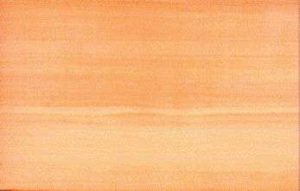
Podocarpus gracilior
Trade Name
Bastard yellowwood
Family Name
Podocarpaceae
Common Names
Bastard yellowwood, Ben, Bene, Birbisa, East African podo, East African yellowwood, Falcate yellowwood, Mse, Mse mawe, Mufu, Musangira, Museneka, Musenene, Musengera, Musenuera, Muvengea, Mwavavi, Ol biribiri, Piri pirindi, Podo, Sapta, Saptet, Wiriwiri, Yellow-wood, Zigba
Regions of Distribution
Africa
Countries of Distribution [VIEW MAP]
Ethiopia, Kenya, South Africa, Sudan, Tanzania, Uganda
Common Uses
Beehives, Boxes and crates, Cabinetmaking, Concrete formwork, Flooring, Food containers, Furniture, Joinery, Light construction, Model airplanes, Paneling, Plywood, Railroad ties, Tables, Turnery, Vats
Environmental Profile
| Abundant/Secure |
Heartwood Color
| Red | ||||||||||||
| Pink | ||||||||||||
| Brown | ||||||||||||
| Green/grey | ||||||||||||
| Yellow to golden-yellow to orange | ||||||||||||
| Pale brown | ||||||||||||
| White to cream |
Sapwood Color
| White | ||||||||||||
| Yellow | ||||||||||||
| Pink | ||||||||||||
| Red | ||||||||||||
| Grey | ||||||||||||
| Same as heartwood |
Grain
| Straight | ||||||||||||
| Even | ||||||||||||
| Figure | ||||||||||||
| Distinct (figure) |
| Straight | ||||||||||||
| Distinct figure |
Texture
| Coarse | ||||||||||||
| Fine |
Luster
| Medium | ||||||||||||
| Slightly lustrous | ||||||||||||
| Dull |
Natural Durability
| Susceptible to insect attack | ||||||||||||
| Non-resistant to termites | ||||||||||||
| Non-durable | ||||||||||||
| Resistant to powder post beetles | ||||||||||||
| Moderately durable | ||||||||||||
| Perishable | ||||||||||||
| Non-resistant to powder post beetles | ||||||||||||
| Non durable | ||||||||||||
| Perishable | ||||||||||||
| Susceptible to attack from termites (Isoptera) | ||||||||||||
| Susceptible to attack from powder post (Lyctid & Bostrychid) beetles | ||||||||||||
| Pinworms (ambrosia beetles) are commonly present | ||||||||||||
| Moderately durable |
Weathering
| Poor |
Kiln Schedules
| Drying (speed) is fast | ||||||||||||
| Dry at a moderate speed | ||||||||||||
| UK=A US=T2D4/T2D3 Fr=1 |
Drying Defects
| Checking | ||||||||||||
| Collapse | ||||||||||||
| Distortion | ||||||||||||
| Internal Honeycombing Possible | ||||||||||||
| Slight end splitting | ||||||||||||
| Slight surface checking | ||||||||||||
| Slight twist/warp | ||||||||||||
| No surface checking | ||||||||||||
| No end splitting | ||||||||||||
| Moderate twist/warp | ||||||||||||
| Moderate surface checking | ||||||||||||
| Moderate end spitting |
Ease of Drying
| Fairly Easy | ||||||||||||
| Rapidly | ||||||||||||
| Reconditioning Treatement | ||||||||||||
| Easy | ||||||||||||
| Moderate |
Kiln Drying Rate
| Naturally dries quickly |
Tree Identification
| Bole/stem form is cylindrical | ||||||||||||
| Bole/stem form is straight | ||||||||||||
| Bole/stem form is fluted |
Tree Size
| Trunk diameter is 100-150 cm | ||||||||||||
| Bole length is 10-20 m | ||||||||||||
| Tree height is 40-50 m | ||||||||||||
| Sapwood width is 0-5 cm | ||||||||||||
| Sapwood width is 5-10 cm | ||||||||||||
| Tree height is 30-40 m | ||||||||||||
| Tree height is 20-30 m | ||||||||||||
| Bole length is 20-30 m | ||||||||||||
| Tree height is 50-60 m | ||||||||||||
| Bark width is 10-15 mm | ||||||||||||
| Trunk diameter is 150-200 cm | ||||||||||||
| Trunk diameter is 200-250 cm |
Comments
General finishing qualities are rated as good
Blunting Effect
| Blunting effect on machining is slight |
Boring
| Fair to good results | ||||||||||||
| Fairly easy to very easy | ||||||||||||
| Moderately easy | ||||||||||||
| Easy |
Carving
| Fair to Good Results | ||||||||||||
| Fairly Easy to Very Easy |
Cutting Resistance
| Easy to saw | ||||||||||||
| Cutting Resistance with green wood is easy | ||||||||||||
| Cutting Resistance with dry wood is easy |
Gluing
| Fair to Good Results | ||||||||||||
| Fairly Easy to Very Easy | ||||||||||||
| Easy to glue |
Mortising
| Fair to Good Results | ||||||||||||
| Fairly Easy to Very Easy | ||||||||||||
| Easy to mortise | ||||||||||||
| Finishes well |
Moulding
| Fair to Good Results | ||||||||||||
| Fairly Easy to Very Easy | ||||||||||||
| Good finishing results | ||||||||||||
| Easy to mould |
Movement in Service
| Small | ||||||||||||
| Stable | ||||||||||||
| Medium |
Nailing
| Fairly Easy to Very Easy | ||||||||||||
| Fair to Good Results | ||||||||||||
| Very Good to Excellent Results | ||||||||||||
| Holds nails well | ||||||||||||
| Easy to nail |
Planing
| Fairly Easy to Very Easy | ||||||||||||
| Fair to Good Results | ||||||||||||
| Very Good to Excellent Results | ||||||||||||
| Planes well, to a good finish | ||||||||||||
| Easy to plane |
Resistance to Impregnation
| Heartwood is permeable |
Resistance to Splitting
| Poor | ||||||||||||
| Very Poor | ||||||||||||
| Satisfactory |
Response to Hand Tools
| Easy to Work | ||||||||||||
| Responds Readily | ||||||||||||
| Easy to machine | ||||||||||||
| Moderate working qualities |
Routing & Recessing
| Fair to Good Results | ||||||||||||
| Fairly Easy to Very Easy | ||||||||||||
| Easy to treat using either open tank or pressure syste | ||||||||||||
| Contains alkaloids giving it good acid resistance | ||||||||||||
| Satisfactory routing results | ||||||||||||
| Moderately easy |
Sanding
| Fair to Good Results |
Screwing
| Fair to Good Results | ||||||||||||
| Fairly Easy to Very Easy | ||||||||||||
| Very Good to Excellent Results | ||||||||||||
| Screwing yields good results | ||||||||||||
| Easy to screw |
Turning
| Fairly Easy to Very Easy | ||||||||||||
| Fair to Good Results | ||||||||||||
| Good results | ||||||||||||
| Easy to turn | ||||||||||||
| Satisfactory |
Veneering Qualities
| Veneers easily | ||||||||||||
| Suitable for slicing | ||||||||||||
| Veneers moderately easy | ||||||||||||
| Suitable for peeling | ||||||||||||
| Easy to cut | ||||||||||||
| Suitable for peeling |
Steam Bending
| Fair to Good Results | ||||||||||||
| Moderate |
Painting
| Fair to Good Results | ||||||||||||
| Surface Preparation | ||||||||||||
| Fairly Difficult to Very Difficult | ||||||||||||
| Good results | ||||||||||||
| Satisfactory results |
Polishing
| Poor to Very Poor Results | ||||||||||||
| Fairly Difficult to Very Difficult | ||||||||||||
| Good results | ||||||||||||
| Satisfactory results |
Staining
| Finish is generally good | ||||||||||||
| Staining (Characteristic) = non-staining | ||||||||||||
| Satisfactory | ||||||||||||
| Poor resistance to decay |
Varnishing
| Surface Preparation | ||||||||||||
| Fair to Good Results | ||||||||||||
| Fairly Difficult to Very Difficult | ||||||||||||
| Fairly Easy to Very Easy | ||||||||||||
| Good results | ||||||||||||
| Satisfactory |
Strength Properties
| Density (dry weight) = 31-37 lbs/cu. ft. | ||||||||||||
| Bending strength (MOR) = low | ||||||||||||
| Max. crushing strength = medium | ||||||||||||
| Modulus of Elasticity (stiffness) = very low | ||||||||||||
| Hardness (side grain) = soft | ||||||||||||
| Shrinkage, Radial = very small | ||||||||||||
| Shearing strength (parallel to grain) = very low | ||||||||||||
| Shrinkage, Tangential = small | ||||||||||||
| Hardness (side grain) = very soft | ||||||||||||
| Toughness-Hammer drop (Impact Strength) = low | ||||||||||||
| Shearing strength (parallel to grain) = low | ||||||||||||
| Shrinkage, Tangential = moderate | ||||||||||||
| Toughness (total work) = very low | ||||||||||||
| Shrinkage, Radial = small | ||||||||||||
| Max. crushing strength = low | ||||||||||||
| Density (dry weight) = 38-45 lbs/cu. ft. | ||||||||||||
| Work to Maximum Load | ||||||||||||
| Toughness-Hammer drop (Impact Strength) = very low | ||||||||||||
| Shrinkage, Tangential = very small | ||||||||||||
| Shrinkage, Radial = moderate | ||||||||||||
| Density (dry weight) = 46-52 lbs/cu. ft. | ||||||||||||
| Density (dry weight) = 23-30 lbs/cu. ft. | ||||||||||||
| Bending strength (MOR) = medium |
Numerical Data
| Item | Green | Dry | English |
| Bending Strength | 6340 | 9945 | psi |
| Density | 33 | lbs/ft3 | |
| Hardness | 712 | lbs | |
| Impact Strength | 25 | inches | |
| Maximum Crushing Strength | 3768 | 6191 | psi |
| Shearing Strength | 1153 | psi | |
| Stiffness | 1017 | 1199 | 1000 psi |
| Toughness | 95 | inch-lbs | |
| Work to Maximum Load | 7 | 10 | inch-lbs/in3 |
| Weight | 32 | 25 | lbs/ft3 |
| Radial Shrinkage | 2 | % | |
| Tangential Shrinkage | 6 | % | |
| Item | Green | Dry | Metric |
| Bending Strength | 445 | 699 | kg/cm2 |
| Density | 528 | kg/m3 | |
| Hardness | 322 | kg | |
| Impact Strength | 63 | cm | |
| Maximum Crushing Strength | 264 | 435 | kg/cm2 |
| Shearing Strength | 81 | kg/cm2 | |
| Stiffness | 71 | 84 | 1000 kg/cm2 |
| Toughness | 109 | cm-kg | |
| Work to Maximum Load | 0.49 | 0.70 | cm-kg/cm3 |
| Weight | 512 | 400 | kg/m3 |
| Radial Shrinkage | 2 | % |
References
Banks, C.H. and J.P. Schoeman. 1963. Railway Sleeper and Crossing Timbers. Bulletin No. 41, Republic of South Africa. The Government Printer, Pretoria, South Africa.
Battiscombe, E., Dale, I.R.,1936,Trees and Shrubs of Kenya Colony,Govt. Printer Nairobi
Bengough, C.C.,1971,Commercial Timbers of Kenya,Ministry of Natural Resources Forest Department, Kenya
Bois, P.J.,1966,The Strength Properties of Tanzania Timbers,Tanzania Forest Div. Util. Sec. Moshi Tech. Note, No.35
Brown, W.H.,1978,Timbers of the World No.1 Africa,TRADA, Red Booklet Series
Bryce, J. and Kitambi, G.,1960,The Air-drying Properties of some Tanganyika Timbers Technical Note No 23,Tanganyika Forest Department Utilisation Division Technical Note
Bryce, J.M., Norcross, H.,1961,The Resistance of Tanganyika Timbers to Impregnation,Tanzania Forest Dept. Util. Sec .Tech. Note,No.28
Bryce, J.M.,1967,Commercial Timbers of Tanzania,Tanzanian Forestry Division Util. Sec. Moshi
Chalk, L., et al,1932,Some East African Coniferae and Leguminosae,Forest Trees and Timbers of the British Empire,Part 1
Dale, I.R., Greenway, P.J.,1961,Kenya Trees and Shrubs,Buchanans Kenya Estates Ltd. Nairobi Hatchards London
Dallimore, W. and Jackson, A. Bruce,1966,A Handbook of Coniferae and Ginkgoaceae Fourth Ed. Revised by S.G.,Harrison,Edward Arnold (Publishers) Ltd. London
Eggeling, W.J.,1940,Indigenous Trees of Uganda,Govt. Printer Entebbe Uganda
Erfurth, T., Rusche, H.,1976,The Marketing of Tropical Wood A. Wood Species from African Moist Forests,F.A.O. Forestry Department
Forest Products Research Laboratory U.K.,1957,A Handbook of Softwoods,Department of Scientific and Industrial Research Forest Products Research,HMSO
Forest Products Research Laboratory, U.K.,1945,A Handbook of Empire Timbers,Department of Scientific and Industrial Research Forest Products Research
Grant, D.K.S.,1934,Some Local Timbers,Tanzania Forest Department
Howard, A.L.,1948,A Manual of Timbers of the World.,Macmillan & Co. Ltd. London 3rd ed.
Kenya Forest Department,1941,Strengths of Kenya timbers,Kenya Forest Department Bulletin No. 36
Logan, W.E.M.,1946,An Introduction to the Forests of Central and Southern Ethiopia,Imperial Forestry Institute, Oxford Paper No.24
Murira, K.,1984,Natural Durability Tests of Tanzanian Timbers 1955 – 1982,Tanzania Forestry Research Institute, Timber Utilisation Research Centre,,Moshi.
Organisation for European Economic Co-operation,1951,African Tropical Timber (Nomenclature, Description,OEEC
Patterson, D.,1988,Commercial Timbers of the World, 5th Edition,Gower Technical Press
Smith, D.N.,1959,The Natural Durability of Timber,Forest Products Research Laboratory, Princes Risborough, Building Research,Establishment Record,No.30
Tack, C.H.,1958,The Strength Properties of some Uganda Timbers,Uganda Forest Department Bulletin No. 5
Takahashi, A.,1978,Compilation of Data on the Mechanical Properties of Foreign Woods (Part,III) Africa,Shimane University, Japan, Research Report on Foreign Wood No. 7
Tanzania Forest Department,1960,The Natural Durability of Local Timbers,Tanzanian Forest Dept. Tech. Note,No.14
Tanzania Forest Department,1961,The Movement of Timbers Technical Note No.29,Tanzania Forest Department, Utilisation Division Technical Note
Tanzania Forest Division,1966,Kiln Drying Schedules for Tanzania Timbers Technical Note no.38,Tanzania Forest Div. Util. Sec. Moshi
Tanzania Forest Division,1967,The Weights and Shrinkage of some Local Timbers,Tanzania Forest Div. Util. Sect. Technical Note,No.25
Titmuss, F.H.,1965,Commercial Timbers of the World,Technical Press Ltd., London, 3rd edition
U.K. – Colonial Forest Resources Development Department,1939,British Colonial Timbers – Woods recommended for Various Uses,Colonial Forest Resources Development Department,London
Uganda Forest Department,1954,The Mechanical Properties of some Ugandan Timbers,Uganda Forest Department Timber Leaflet,No.1
Uganda Forest Department,1969,The Shrinkage of Some Ugandan Timbers,Uganda Forestry Department Timber Leaflet,No.47