Scientific Name
Pterocarpus soyauxii
Trade Name
African padauk
Family Name
Leguminosae
Synonyms
Pterocarpus delevoyi, Pterocarpus osun, Pterocarpus tinctorius
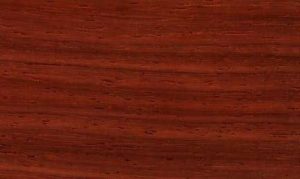
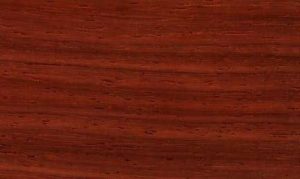
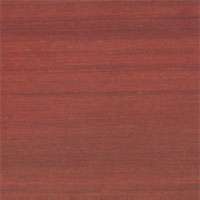
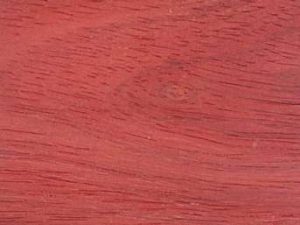

Common Names
Africaans padoek, African coral wood, African padauk, Afrik padouk, Afrikanisches korallenholz, Afrikanisches padoik, Akume, Arapka, Ba, Barrwood, Barwood, Bo, Bois corail, Bois de rose, Bois rouge, Bois ulu, Boko, Boku, Bosulu, Bou, Camwood, Corail, Ebeu, Epein, Epion, Escio, Ezigo, Gula, Kisese, Kisesi, Koula, M’bio, Mbe, Mbel, Mbeu, Mbie, Mbil, Mbili, Mohingue, Mongola, Muenge, Mukula, Mututi, N’gola, N’gula, N’kula, Ndimbo, Ngula, Nve, Osun, Ozigo, Padouk, Padouk d’Afrique, Palorojo, Red santal, Redwood, Santal rouge, Tacula, Takula, Tizeze, Uhie, Uhile, Ukpa, Vermillion, Wele, Yomo
Regions of Distribution
Africa
Countries of Distribution [VIEW MAP]
Angola, Cameroon, Central African Republic, Congo, Equatorial Guinea, Gabon, Ghana, Nigeria, Zaire
Common Uses
Agricultural implements, Bedroom suites, Boat building (general), Boat building: decking, Bobbins, Boxes and crates, Bridge construction, Cabinetmaking, Canoes, Carvings, Chairs, Chemical derivatives, Chests, Concealed parts (Furniture), Decks, Decorative veneer, Desks, Dining-room furniture, Domestic flooring, Dowell pins, Dowells, Drawer sides, Dyewood , Excelsior, Figured veneer, Fine furniture, Floor lamps, Flooring, Furniture , Furniture components, Furniture squares or stock, Furniture, Handles, Hatracks, Heavy construction, Joinery (external): ground contact, Joinery, Kitchen cabinets, Light construction, Living-room suites, Marine construction, Mine timbers, Musical instruments, Musical instruments: piano, Musical instruments: strings, Oars, Office furniture, Paddles, Parquet flooring, Picker sticks, Plywood, Posts, Radio – stereo – TV cabinets, Railroad ties, Rustic furniture, Shade rollers, Shafts/Handles, Shuttles, Specialty items, Spindles, Sporting Goods, Tool handles, Turnery, Vats, Vehicle parts, Veneer, Veneer: decorative, Wheel spokes, Wheels
Environmental Profile
| Abundant/Secure | ||||||||||||
| Vulnerable in parts of its natural habitat | ||||||||||||
| Status unknown in parts of its range | ||||||||||||
| Generally widespread, secure, and abundant within most of its range | ||||||||||||
| Data source is World Conservation Monitoring Center |
Distribution Overview
The genus Pterocarpus occurs throughout the tropical regions of the world. P. soyauxii is found in Central and tropical West Africa, extending from south-western Nigeria to Zaire. It often grows in small groups and is common in dense equatorial rain forests.
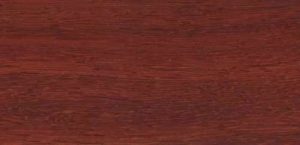
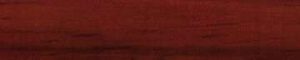
Heartwood Color
| Red | ||||||||||||
| Pink | ||||||||||||
| Brown | ||||||||||||
| White | ||||||||||||
| Green/grey | ||||||||||||
| Yellow | ||||||||||||
| Orange | ||||||||||||
| Grey | ||||||||||||
| Red | ||||||||||||
| Pale red to pink | ||||||||||||
| Dark brown | ||||||||||||
| Dark brown | ||||||||||||
| Yellow to golden-yellow to orange | ||||||||||||
| Small color variation | ||||||||||||
| Reddish orange | ||||||||||||
| Purple | ||||||||||||
| Brown | ||||||||||||
| Becomes bright red, coral pink with dark streaks, purplish-brown, or black with age |
Sapwood Color
| Red | ||||||||||||
| Brown | ||||||||||||
| Yellow | ||||||||||||
| White | ||||||||||||
| Pink | ||||||||||||
| White to yellow | ||||||||||||
| Well defined | ||||||||||||
| Whitish | ||||||||||||
| Same as heartwood | ||||||||||||
| Pinkish | ||||||||||||
| Paler than heartwood | ||||||||||||
| Matures to yellowish brown with age |
Grain
| Straight | ||||||||||||
| Interlocked | ||||||||||||
| Figure | ||||||||||||
| Distinct (figure) | ||||||||||||
| Closed | ||||||||||||
| Even | ||||||||||||
| Wavy | ||||||||||||
| Stripe (figure) |
| Straight | ||||||||||||
| Interlocked | ||||||||||||
| Distinct figure | ||||||||||||
| Wavy | ||||||||||||
| Striped figure | ||||||||||||
| Straight to slightly interlocked |
Texture
| Coarse | ||||||||||||
| Medium | ||||||||||||
| Even or uniform | ||||||||||||
| Uniform | ||||||||||||
| Coarse | ||||||||||||
| Fine to medium | ||||||||||||
| Medium | ||||||||||||
| Medium to coarse | ||||||||||||
| Fine |
Luster
| Medium | ||||||||||||
| Low | ||||||||||||
| Lustrous | ||||||||||||
| Pronounced |
Natural Durability
| Susceptible to insect attack | ||||||||||||
| Perishable | ||||||||||||
| Non-resistant to powder post beetles | ||||||||||||
| Non-resistant to termites | ||||||||||||
| Non-durable | ||||||||||||
| Non-resistant to marine borers | ||||||||||||
| Very durable | ||||||||||||
| Resistant to attack from termites (Isoptera) | ||||||||||||
| Durable | ||||||||||||
| Resistant to attack from powder post (Lyctid & Bostrychid) beetles | ||||||||||||
| Susceptible to attack from powder post (Lyctid & Bostrychid) beetles | ||||||||||||
| Susceptible to marine borer attack | ||||||||||||
| Very good weathering properties | ||||||||||||
| Susceptible to attack from termites (Isoptera) | ||||||||||||
| Resistant to attack from marine borers | ||||||||||||
| May last over 25 years in contact with ground | ||||||||||||
| Heartwood is very resistant to decay and termite attack | ||||||||||||
| Heartwood is very durable |
Odor
| Has an odor | ||||||||||||
| Green wood is faintly aromatic |
Light-Induced Color Change
| Darker |
Toxicity
| Some toxic effects | ||||||||||||
| Respiratory effects | ||||||||||||
| Unspecified toxicity | ||||||||||||
| Dermatitic effects |
Kiln Schedules
| UK=J US=T10D5S/T8D4S Fr=4 | ||||||||||||
| T8 – D4S (8/4) US | ||||||||||||
| T10 – D5s (4/4) US | ||||||||||||
| Schedule J – United Kingdom | ||||||||||||
| Kiln Drying Rate (in days) is rather slow | ||||||||||||
| Drying (speed) is fast | ||||||||||||
| Dry at a slow speed | ||||||||||||
| Dry at a moderate speed |
Drying Defects
| Splitting | ||||||||||||
| Internal Honeycombing Possible | ||||||||||||
| Collapse | ||||||||||||
| Distortion | ||||||||||||
| No twisting or warping | ||||||||||||
| Moderate surface checking | ||||||||||||
| Moderate end spitting | ||||||||||||
| Little or no degrade |
Ease of Drying
| Moderately Difficult to Difficult | ||||||||||||
| Fairly Easy | ||||||||||||
| Rapidly | ||||||||||||
| Thick Stock Requires Care | ||||||||||||
| Slowly | ||||||||||||
| Easy | ||||||||||||
| Prolonged conditioning period and regular moisture content checks control variable drying rates | ||||||||||||
| Dries well with little degrade |
Logs may be held for long periods without splitting or checking
Kiln Drying Rate
| Naturally dries quickly | ||||||||||||
| Naturally dries slowly | ||||||||||||
| Very slow (>28 days for boards < 32 mm, to >84 days for boards >= 63 mm) |
Tree Identification
| Bole/stem form is buttressed | ||||||||||||
| Bole/stem form is fluted | ||||||||||||
| Bole/stem form is straight | ||||||||||||
| Bole/stem form is cylindrical |
Tree Size
| Tree height is 30-40 m | ||||||||||||
| Trunk diameter is 100-150 cm | ||||||||||||
| Bole length is 20-30 m | ||||||||||||
| Bole length is 10-20 m | ||||||||||||
| Tree height is 20-30 m | ||||||||||||
| Tree height is 40-50 m | ||||||||||||
| Bark width is 20-25 mm | ||||||||||||
| Bark width is 10-15 mm | ||||||||||||
| Bark width is 25-30 mm | ||||||||||||
| Bark width is 15-20 mm | ||||||||||||
| Trunk diameter is 150-200 cm |
Product Sources
The ITTO reports that this species is frequent source of timber which is exported in low quantities and only occasionally.
African padauk is available in both lumber and veneer forms on the market in North America, but prices are typically in the high range.
Availability in long lengths, wide boards, and in veneer form is rather limited on the European market, but prices are comparable to that of the lower cost hardwoods.
Certified Source
| Certified Source |
Comments
Crystal deposits are usually present
General finishing qualities are rated as good
Blunting Effect
| Little | ||||||||||||
| Blunting effect on sawing green wood is severe | ||||||||||||
| Blunting effect on sawing green wood is moderate | ||||||||||||
| Blunting effect on sawing dry wood is severe | ||||||||||||
| Blunting effect on sawing dry wood is moderate | ||||||||||||
| Blunting effect on machining is moderate | ||||||||||||
| Blunting effect on machining is fairly severe |
Boring
| Fair to good results | ||||||||||||
| Fairly easy to very easy | ||||||||||||
| Good boring qualities | ||||||||||||
| Easy |
Carving
| Fair to Good Results | ||||||||||||
| Fairly Easy to Very Easy | ||||||||||||
| Good results |
Cutting Resistance
| Easy to saw | ||||||||||||
| Cutting Resistance with green wood is easy | ||||||||||||
| Cutting Resistance with dry wood is easy | ||||||||||||
| Saw well with slow feed rate | ||||||||||||
| Carbide tipped tools are recommended |
Gluing
| Fairly Easy to Very Easy | ||||||||||||
| Fair to Good Results | ||||||||||||
| Easy to glue | ||||||||||||
| Glues very well |
Mortising
| Fairly Easy to Very Easy | ||||||||||||
| Fair to Good Results | ||||||||||||
| Good mortising properties | ||||||||||||
| Easy to mortise |
Moulding
| Fairly Easy to Very Easy | ||||||||||||
| Fair to Good Results | ||||||||||||
| Good finishing results | ||||||||||||
| Easy to mould |
Movement in Service
| Excellent Stability – Small Movement | ||||||||||||
| Fair to Good Stability – Medium Movement | ||||||||||||
| Small | ||||||||||||
| Very stable after kiln drying | ||||||||||||
| Stable | ||||||||||||
| Negligible movement |
Nailing
| Fairly Easy to Very Easy | ||||||||||||
| Fair to Good Results | ||||||||||||
| Very Good to Excellent Results | ||||||||||||
| Easy to nail | ||||||||||||
| Tends to split during nailing | ||||||||||||
| Possible if prebored | ||||||||||||
| Holds satisfactorily | ||||||||||||
| Holds nails well |
Planing
| Fairly Easy to Very Easy | ||||||||||||
| Fair to Good Results | ||||||||||||
| Easy to plane | ||||||||||||
| Planes well, to a good finish | ||||||||||||
| Torn grain common in quartersawn material | ||||||||||||
| Difficult to plane |
Resistance to Impregnation
| Permeable heartwood | ||||||||||||
| Permeable sapwood | ||||||||||||
| Heartwood is moderately resistant | ||||||||||||
| Sapwood is moderately resistant | ||||||||||||
| Heartwood is permeable |
Response to Hand Tools
| Easy to Work | ||||||||||||
| Responds Readily | ||||||||||||
| Variable qualities | ||||||||||||
| Easy to machine |
Routing & Recessing
| Fair to Good Results | ||||||||||||
| Fairly Easy to Very Easy | ||||||||||||
| Routing is easy |
Sanding
| Fairly Easy to Very Easy | ||||||||||||
| Fair to Good Results | ||||||||||||
| Very Good to Excellent Results | ||||||||||||
| Good sanding finish | ||||||||||||
| Fairly good sanding characteristics |
Screwing
| Fairly Easy to Very Easy | ||||||||||||
| Fair to Good Results | ||||||||||||
| Very Good to Excellent Results | ||||||||||||
| Stock in smaller dimensions may split | ||||||||||||
| Screwing yields good results | ||||||||||||
| Possible if prebored | ||||||||||||
| Holds screws well |
Turning
| Fair to Good Results | ||||||||||||
| Fairly Easy to Very Easy | ||||||||||||
| Generally good | ||||||||||||
| Easy to turn |
Veneering Qualities
| Suitable for peeling | ||||||||||||
| Veneers easily | ||||||||||||
| Suitable for slicing | ||||||||||||
| Veneers moderately easy | ||||||||||||
| No drying degrade | ||||||||||||
| Suitable for slicing | ||||||||||||
| Easy to cut | ||||||||||||
| Bolt preparation requires steaming |
Painting
| Very Good to Excellent Results | ||||||||||||
| Fair to Good Results |
Polishing
| Fair to Good Results | ||||||||||||
| Poor to Very Poor Results | ||||||||||||
| Very Good to Excellent Results | ||||||||||||
| Fairly Easy to Very Easy | ||||||||||||
| Satisfactory results |
Staining
| Very Good to Excellent Results | ||||||||||||
| Fair to Good Results | ||||||||||||
| Wood has a tendency to bleed, water-based finishes recommended | ||||||||||||
| Stains well |
Varnishing
| Very Good to Excellent Results | ||||||||||||
| Fair to Good Results | ||||||||||||
| Fairly Easy to Very Easy |
Strength Properties
| Density (dry weight) = 46-52 lbs/cu. ft. | ||||||||||||
| Max. crushing strength = high | ||||||||||||
| Bending strength (MOR) = high | ||||||||||||
| Density (dry weight) = 53-60 lbs/cu. ft. | ||||||||||||
| Shrinkage, Tangential = very small | ||||||||||||
| Shrinkage, Radial = small | ||||||||||||
| Hardness (side grain) = hard | ||||||||||||
| Density (dry weight) = 38-45 lbs/cu. ft. | ||||||||||||
| Shrinkage, Tangential = small | ||||||||||||
| Shrinkage, Radial = very small | ||||||||||||
| Bending strength (MOR) = medium | ||||||||||||
| Modulus of Elasticity (stiffness) = medium | ||||||||||||
| Hardness (side grain) = very hard | ||||||||||||
| Modulus of Elasticity (stiffness) = low | ||||||||||||
| Modulus of Elasticity (stiffness) = high | ||||||||||||
| Shrinkage, Tangential = fairly large | ||||||||||||
| Shearing strength (parallel to grain) = low | ||||||||||||
| Hardness (side grain) = soft | ||||||||||||
| Hardness (side grain) = medium | ||||||||||||
| Density (dry weight) = 23-30 lbs/cu. ft. | ||||||||||||
| Bending strength (MOR) = very high | ||||||||||||
| Shrinkage, Tangential = moderate | ||||||||||||
| Shrinkage, Radial = moderate | ||||||||||||
| Shrinkage, Radial = large | ||||||||||||
| Resists denting and marring | ||||||||||||
| Max. crushing strength = medium | ||||||||||||
| Heavy | ||||||||||||
| Density = high |
Numerical Data
| Item | Green | Dry | English |
| Bending Strength | 13206 | 17976 | psi |
| Density | 47 | lbs/ft3 | |
| Hardness | 2219 | lbs | |
| Maximum Crushing Strength | 6670 | 8794 | psi |
| Shearing Strength | 1560 | psi | |
| Stiffness | 1608 | 1792 | 1000 psi |
| Specific Gravity | 0.6 | 0.68 | |
| Weight | 45 | 37 | lbs/ft3 |
| Radial Shrinkage | 3 | % | |
| Tangential Shrinkage | 5 | % | |
| Volumetric Shrinkage | 8 | % | |
| Item | Green | Dry | Metric |
| Bending Strength | 928 | 1263 | kg/cm2 |
| Density | 753 | kg/m3 | |
| Hardness | 1006 | kg | |
| Maximum Crushing Strength | 468 | 618 | kg/cm2 |
| Shearing Strength | 109 | kg/cm2 | |
| Stiffness | 113 | 125 | 1000 kg/cm2 |
| Specific Gravity | 0.6 | 0.68 | |
| Weight | 721 | 592 | kg/m3 |
| Radial Shrinkage | 3 | % | |
| Tangential Shrinkage | 5 | % |
References
Banks, C.H., Schoeman, J.P., Otto, K.P.,1977,The Mechanical Properties of Timbers with particular reference to South,Africa,South African Forestry Research Institute Bulletin,(Ed.,Schoeman, J.P. 1973 & Otto K.P. 1976,No.48
Banks, C.H.,1954,The Mechanical Properties of Timbers with Particular Reference to those,grown in the Union of South Africa,Journal of the South African Forestry Association,No. 24 pp.44-65,[South,African Forestry Journal]
Bertin, A., Meniaud, J.,1949,Timbers of the Cameroons,Compagnie Francais du Cameroon,(Transl. by F.Jane)
Bolza, E., Keating, W.G.,1972,African Timbers – the Properties, Uses and Characteristics of 700 Species,C.S.I.R.O. Div. of Building Research
Boone, R.S., C.J. Kozlik, P.J. Bois and E.M. Wengert. 1988. Dry Kiln Schedules for Commercial Woods: Temperate and Tropical. United States Department of Agriculture, Forest Service, Forest Products Laboratory, General Technical Report FPL-GTR-57, Madison, Wisconsin.
British Woodworking Federation. 1995. Which Wood . Published by the British Woodworking Federation, Broadway House, Tothill Street, London.
Brown, W.H.,1969,Properties and uses of Tropical hardwoods in the United Kingdom. Part 1,Nonstructural properties and uses.,Conference on Tropical hardwoods SC-5/TN-5, Syracuse University
Chudnoff, M.,1984,Tropical Timbers of the World,U.S.A. Department of Agriculture, Forest Service, Forest Products,Laboratory, Madison.
Erfurth, T., Rusche, H.,1976,The Marketing of Tropical Wood A. Wood Species from African Moist Forests,F.A.O. Forestry Department
Farmer, R.H.,1972,Handbook of Hardwoods,HMSO
Forest Products Research Laboratory, U.K.,1969,The Movement of Timbers,Forest Products Research Laboratory, Princes Risborough Technical Note,No.38
Fouarge, J., Gerard, G.,1964,Bois du Mayumbe,I.N.E.A.C. Belguim
Fouarge, J.,1950,Appropriation de Bois Congolais aux Besoins de la Metropole,I.N.E.A.C. Belgium Serie Technique,No.38
Fouarge, J.,1953,Bois du Congo,I.N.E.A.C.
Fougerousse, M., Deschamps, P.,1968,Essais de Resistance de quelques Bois Tropicaux aux Xylophages Marins dans,la,Port de la Pallice,C.T.F.T. Note Technique,No.7
France – C.T.F.T.,1960,Resultats des Observations et des Essais Effectues au CTFT sur le,Padouk,C.T.F.T. Infor. Tec.,No.114
France – C.T.F.T.,1966,Bois Tropicaux,C.T.F.T. Publ.,12
France – C.T.F.T.,1977,Promotion of African Timbers – New Species,CTFT,35 Leaflets
Gutierrez Oliva, A., Plaza Pulgar, F.,1967,Caracteristicas fisico-mecanicas de las maderas Espanolas. (Physical and,mechanical properties of Spanish timbers.,Min.Agric./Dir.Gen Montes/Instituto Forestral de Investigaciones,y,Experiencias, Madrid pp102
Harrar, E.S.,1942,Some Physical Properties of Modern Cabinet Woods 3. Directional and Volume,Shrinkage,Tropical Woods,9(71, pp26-32
HMSO. 1972. Handbook of Hardwoods. 2nd Edition. Revised by R.H. Farmer. Department of the Environment, Building Research Establishment, Princes Risborough Laboratory, Princes Risborough, Aylesbury, Buckinghamshire.
Hughes, J.F.,1971,The Principal Timber Trees of Cameroon,Unpublished data
ITTO. 1986. Tropical Timber Atlas, Volume 1 – Africa. International Tropical Timber Organization (ITTO) and Centre Technique Forestier Tropical (CTFT, 45bis, Avenue de la Belle Gabrielle, Nogent-sur-Marne Cedex, France.
Jackson, A. and D. Day. 1991. Good Wood Handbook – The Woodworker’s Guide to Identifying, Selecting and Using the Right Wood. Betterway Publications, Cincinnati, Ohio.
Jay, B.A.,1968,Timbers of West Africa,TRADA, Red Booklet Series
Kaiser, J. Wood of the Month: Padauk – A Red Wood by Another Name. Wood & Wood Products, July, 1990. Page 68.
Keay, R.W.J. 1989. Trees of Nigeria. Revised Version of Nigerian Trees. Clarendon Press, Oxford.
Kline, M. 1982. Pterocarpus soyauxii – African padauk. In A Guide to Useful Woods of the World. Flynn Jr., J.H., Editor. King Philip Publishing Co., Portland, Maine. 1994. Page 299.
Kloot, N.H., Bolza, E.,1961,Properties of Timbers Imported into Australia,C.S.I.R.O. Forest Products Division Technological Paper,No.12
Kukachka, B.F.,1970,Properties of Imported Tropical Woods,Forest Research Paper FPL 125
Lincoln, W.A. 1986. World Woods in Color. Linden Publishing Co. Inc., Fresno, California.
Meniaud, J., Bretonnet, F.,1926,Les Bois Coloniaux d’Afrique dans l’Industrie,Publ. de l’Agence Gen. des Colonies
NWFA. 1994. Wood Species Used in Wood Flooring. Technical Publication No. A200. National Wood Flooring Association, Manchester, MO.
Organisation for European Economic Co-operation,1951,African Tropical Timber (Nomenclature, Description,OEEC
Pieters, A.,1977,Essences Forestieres du Zaire,R.U.G. Gent Belguim
Rendle, B.J.,1969,World Timbers (3 Vols.,Ernest Benn Ltd. London
Reyes, L.J.,1938,Philippine Woods,Commonwealth of the Philippines Department of Agriculture and Commerce,Technical Bulletin,No.7
Sallenave, P.,1955,Proprietes Phyiques et Mecaniques des Bois Tropicaux de l’Union Francaise,C.T.F.T
Sallenave, P.,1964,Proprietes Physiques et Mecaniques des Bois Tropicaux (Premier Supplement,C.T.F.T. Publ.,no.23
Spalt, H.A., Stern, W.L.,1959,Survey of Africa Woods 4,Tropical Woods 17(110) pp42-115
Takahashi, A.,1978,Compilation of Data on the Mechanical Properties of Foreign Woods (Part,III) Africa,Shimane University, Japan, Research Report on Foreign Wood No. 7
Timber Development Association,1948,Some New Timbers and Their Uses No. 34,Timber Development Association Limited, London [TRADA]