Scientific Name
Schizomeria ovata
Trade Name
Australian white birch
Family Name
Cunoniaceae
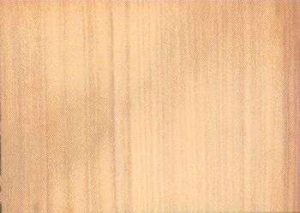
Common Names
Australian white birch, Bea-bea, Black beech, Coachwood, Corkwood, Crab apple, Hambia, Humbug, Leather jacket, Malafelo, New South Wales white ash, Schizomena, Squeaker, White birch, White cherry
Regions of Distribution
Oceania and S.E. Asia
Countries of Distribution [VIEW MAP]
Australia
Common Uses
Boxes and crates, Cabinetmaking, Coffins, Furniture, Heavy construction, Joinery, Light construction, Matches, Paneling, Plywood, Turnery, Veneer: decorative
Heartwood Color
| White to cream | ||||||||||||
| Pale brown | ||||||||||||
| Greenish to greyish | ||||||||||||
| Red |
Sapwood Color
| White to yellow | ||||||||||||
| Paler than heartwood |
Grain
| Straight | ||||||||||||
| Interlocked | ||||||||||||
| Figure | ||||||||||||
| Even | ||||||||||||
| Distinct (figure) |
| Straight | ||||||||||||
| Interlocked | ||||||||||||
| Distinct figure |
Texture
| Fine | ||||||||||||
| Fine |
Natural Durability
| Moderately durable | ||||||||||||
| Non durable | ||||||||||||
| Susceptible to attack from powder post (Lyctid & Bostrychid) beetles |
Kiln Schedules
| Kiln Drying Rate (in days) is slow | ||||||||||||
| Kiln Drying Rate (in days) is rather slow | ||||||||||||
| Kiln Drying Rate (in days) is rapid | ||||||||||||
| Kiln Drying Rate (in days) is fairly rapid |
Drying Defects
| Slight twist/warp | ||||||||||||
| Slight surface checking | ||||||||||||
| Slight collapse and honeycomb | ||||||||||||
| Moderate collapse and honeycombing |
Ease of Drying
| Easy |
Kiln Drying Rate
| Very slow (>28 days for boards < 32 mm, to >84 days for boards >= 63 mm) | ||||||||||||
| Slow (18-28 days for boards < 32 mm, to 52-84 days for boards >= 63 mm) | ||||||||||||
| Rapid (<10 days for boards < 32 mm, to <30 days for boards >= 63 mm) | ||||||||||||
| Fairly rapid (11-17 days for boards under 32 mm, to 31-51 days for boards greater than 63 mm) |
Tree Identification
| Bole/stem form is buttressed |
Tree Size
| Bole length is 0-10 m | ||||||||||||
| Tree height is 0-10 m | ||||||||||||
| Tree height is 10-20 m | ||||||||||||
| Tree height is 20-30 m | ||||||||||||
| Trunk diameter is 100-150 cm |
Comments
General finishing qualities are rated as good
Cutting Resistance
| Cutting Resistance with green wood is moderate | ||||||||||||
| Cutting Resistance with dry wood is moderate |
Gluing
| Easy to glue |
Moulding
| Good finishing results |
Nailing
| Easy to nail |
Planing
| Planes well, to a good finish | ||||||||||||
| Easy to plane |
Response to Hand Tools
| Easy to machine | ||||||||||||
| Moderate working qualities |
Routing & Recessing
| Moderately easy |
Screwing
| Easy to screw |
Veneering Qualities
| No drying degrade. Dries flat without splitting | ||||||||||||
| Easy to cut |
Polishing
| Good results |
Staining
| Finish is generally satisfactory |
Strength Properties
| Density (dry weight) = 38-45 lbs/cu. ft. | ||||||||||||
| Bending strength (MOR) = low | ||||||||||||
| Modulus of Elasticity (stiffness) = medium | ||||||||||||
| Max. crushing strength = medium | ||||||||||||
| Hardness (side grain) = soft | ||||||||||||
| Density (dry weight) = 31-37 lbs/cu. ft. | ||||||||||||
| Shrinkage, Tangential = moderate | ||||||||||||
| Shrinkage, Tangential = large | ||||||||||||
| Shrinkage, Tangential = fairly large | ||||||||||||
| Shrinkage, Radial = very small | ||||||||||||
| Shrinkage, Radial = small | ||||||||||||
| Shrinkage, Radial = moderate | ||||||||||||
| Shrinkage, Radial = large | ||||||||||||
| Shrinkage, Radial = fairly large | ||||||||||||
| Shearing strength (parallel to grain) = very low | ||||||||||||
| Shearing strength (parallel to grain) = low | ||||||||||||
| Modulus of Elasticity (stiffness) = very low | ||||||||||||
| Modulus of Elasticity (stiffness) = low | ||||||||||||
| Max. crushing strength = low | ||||||||||||
| Max. crushing strength = high |
Numerical Data
| Item | Green | Dry | English |
| Bending Strength | 6111 | 9589 | psi |
| Density | 39 | lbs/ft3 | |
| Hardness | 995 | lbs | |
| Maximum Crushing Strength | 4218 | 6664 | psi |
| Shearing Strength | 1221 | psi | |
| Stiffness | 1426 | 1653 | 1000 psi |
| Weight | 38 | 30 | lbs/ft3 |
| Radial Shrinkage | 4 | % | |
| Tangential Shrinkage | 8 | % | |
| Item | Green | Dry | Metric |
| Bending Strength | 429 | 674 | kg/cm2 |
| Density | 624 | kg/m3 | |
| Hardness | 451 | kg | |
| Maximum Crushing Strength | 296 | 468 | kg/cm2 |
| Shearing Strength | 85 | kg/cm2 | |
| Stiffness | 100 | 116 | 1000 kg/cm2 |
| Weight | 608 | 480 | kg/m3 |
| Radial Shrinkage | 4 | % |
References
Anderson, R.H.,1947,The Trees of New South Wales,New South Wales Department of Agriculture
Audas, J.W.,Native Trees of Australia,Whitcombe & Tombs PTY. Ltd
Australia – N.S.W. Forestry Commission,1968,Working Properties of some Native and Imported Timbers,Forestry Commission of New South Wales, Technical Publication No.8
Australia – N.S.W. Forestry Commission,1988,Furniture Timbers of New South Wales,Forest Commission, N.S.W., Aust. Tech. Publication No.1
Boas, I.H.,1947,The Commercial Timbers of Australia – Their Properties and Uses,Council for Scientific and Industrial Research, Melbourne
Bolza, E., Kloot, N.H.,1963,The Mechanical Properties of 174 Australian Timbers,C.S.I.R.O. Division of Forest Products Technological Paper,No.25
Bootle, K.R.,1971,The Commercial Timbers of New South Wales and their use,Angus & Robertson (publishers) PTY Ltd
Brown, W.H.,1978,Timbers of the World, No. 8 Australasia,TRADA, Red Booklet Series
Cause, M.L.; Rudder, E.J. and Kynaston, W.T.,1989,Queensland Timbers Their Nomenclature, Density, and Lyctid Susceptability,Queensland Department of Forestry, Technical Pamplet No.2
Forestry Commission of New South Wales,1987,Timbers used in New South Wales for Domestic Buildings,Forestry Commission of New South Wales, Technical Publication No.6
France – C.T.F.T.,1973,Investigations and Tests carried out on Tropical Timber by several,Research Laboratories,CTFT
Francis, W.D.,1951,Australian Rain-forest Trees,Commonwealth of Australia – Forestry and Timber Bureau
I.U.F.R.O.,1973,Veneer Species of the World,Assembled at F.P.L. Madison on behalf of I.U.F.R.O. Working Party on,Slicing and Veneer Cutting