Scientific Name
Sterculia rhinopetala
Trade Name
Brown sterculia
Family Name
Sterculiaceae
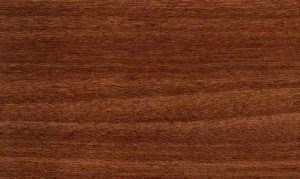
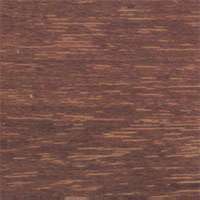

Common Names
Abang abuga, Awabima, Awasea, Awraw, Aye, Brown sterculia, Ekko okpon, Enwiwan, False chestnut, Kitiboa ufue, Lotofa, M’kanang, Mfotomfro, N’cannang, N’kanang, Nkanna, Nkannang, Ogiokoko, Oro, Orodo, Otutu, Pokodom, Potorodom, Wawabima, Wawbina
Regions of Distribution
Africa
Countries of Distribution [VIEW MAP]
Benin, Cameroon, Ghana, Ivory Coast, Nigeria, Togo
Common Uses
Agricultural implements, Blockboard, Boat building (general), Boat building: framing, Boxes and crates, Cabinetmaking, Construction, Flooring, Flooring: industrial heavy traffic, Furniture components, Furniture, Heavy construction, Joinery, Light construction, Marine construction, Paneling, Plywood, Posts, Pulp/Paper products, Shingles, Tool handles, Toys, Turnery, Veneer: decorative
Environmental Profile
| Very little or no threat to its survival in the near future | ||||||||||||
| Generally secure within its natural habitat | ||||||||||||
| Data source is World Conservation Monitoring Center |
Distribution Overview
The species occurs in West Africa, and is found in the drier areas of lowland rain forests from the Ivory Coast to Cameroon.
Heartwood Color
| Brown | ||||||||||||
| Yellow | ||||||||||||
| Grey | ||||||||||||
| Reddish brown | ||||||||||||
| Red | ||||||||||||
| Yellow to golden-yellow to orange | ||||||||||||
| White to cream | ||||||||||||
| Reddish deep brown | ||||||||||||
| Pale red to pink | ||||||||||||
| Light red | ||||||||||||
| Dark brown |
Sapwood Color
| Brown | ||||||||||||
| Yellow | ||||||||||||
| White to yellow | ||||||||||||
| Well defined | ||||||||||||
| Straw colored | ||||||||||||
| Same as heartwood | ||||||||||||
| Paler than heartwood |
It is usually 1.5 to 2.5 inches (3.8 to 6.3 cm) wide.
Grain
| Interlocked | ||||||||||||
| Figure | ||||||||||||
| Distinct (figure) | ||||||||||||
| Straight | ||||||||||||
| Stripe (figure) | ||||||||||||
| Growth rings (figure) | ||||||||||||
| Even |
| Interlocked | ||||||||||||
| Straight | ||||||||||||
| Distinct figure | ||||||||||||
| Striped figure | ||||||||||||
| Clear growth rings (figure) | ||||||||||||
| Quartersawn surfaces produce an attractive figure | ||||||||||||
| Plain sawn surfaces tend to be figureless | ||||||||||||
| May be straight | ||||||||||||
| Interlocked | ||||||||||||
| Distinct and very fine figure |
Texture
| Coarse | ||||||||||||
| Coarse | ||||||||||||
| Medium | ||||||||||||
| Medium to very coarse | ||||||||||||
| Fibrous |
Natural Growth Defects
| Gum and mineral deposits |
Natural Durability
| Non-resistant to termites | ||||||||||||
| Moderately durable | ||||||||||||
| Susceptible to attack from powder post (Lyctid & Bostrychid) beetles | ||||||||||||
| Pinworms (ambrosia beetles) are commonly present | ||||||||||||
| Resistant to attack from termites (Isoptera) | ||||||||||||
| Resistant to attack from powder post (Lyctid & Bostrychid) beetles | ||||||||||||
| Moderately resistant to termite (Isoptera) attack | ||||||||||||
| Durable | ||||||||||||
| Sapwood susceptible to attack by powder post beetles | ||||||||||||
| Sapwood is susceptible to wood staining fungal attack | ||||||||||||
| Sapwood is prone blue stain | ||||||||||||
| Non durable | ||||||||||||
| Heartwood is moderately resistant to decay |
Odor
| Slight bitter taste | ||||||||||||
| No distinct odor or taste |
Kiln Schedules
| Dry at a slow speed | ||||||||||||
| UK=B US=T2C2/T2C1 Fr=2 | ||||||||||||
| Kiln Drying Rate (in days) is slow | ||||||||||||
| T2-C1 (8/4) US | ||||||||||||
| T2 – C2 (4/4) US | ||||||||||||
| Schedule B (4/4) United Kingdom |
Drying Defects
| Checking | ||||||||||||
| Moderate end spitting | ||||||||||||
| Slight collapse and honeycomb | ||||||||||||
| Severe cupping | ||||||||||||
| Moderate surface checking | ||||||||||||
| Severe end splitting | ||||||||||||
| Moderate cupping | ||||||||||||
| Shakes may become extended | ||||||||||||
| Severe surface checking | ||||||||||||
| Severe collapse and honeycomb | ||||||||||||
| Moderate twist/warp | ||||||||||||
| Moderate collapse and honeycombing | ||||||||||||
| Distortion (twist/warp) is likely |
Ease of Drying
| Thick Stock Requires Care | ||||||||||||
| Moderately Difficult to Difficult | ||||||||||||
| Difficult | ||||||||||||
| Requires slow and careful seasoning to prevent degrade. | ||||||||||||
| Dries rather slowly |
Kiln Drying Rate
| Very slow (>28 days for boards < 32 mm, to >84 days for boards >= 63 mm) |
Tree Identification
| Bole/stem form is buttressed | ||||||||||||
| Bole/stem form is straight | ||||||||||||
| Bole/stem form is cylindrical |
Substitutes
| Substitute for Ash (Fraxinus) |
Comments
General finishing qualities are rated as good
Blunting Effect
| High to severe | ||||||||||||
| Blunting effect on machining is moderate | ||||||||||||
| Interlocked slightly to moderately |
Boring
| Fairly difficult to very difficult | ||||||||||||
| Surfaces tend to be woolly | ||||||||||||
| Sharp cutting edges is required | ||||||||||||
| Boring, mortising, and other machining properties are generally satisfactory |
Carving
| Fairly Difficult to Very Difficult |
Cutting Resistance
| Fairly Difficult to Very Difficult to saw | ||||||||||||
| Cutting Resistance with green wood is difficult | ||||||||||||
| Cutting Resistance with dry wood is difficult | ||||||||||||
| Tends to saw woolly with a tendency to spring | ||||||||||||
| May overheat saws rapidly | ||||||||||||
| Hook angle of 15 degrees is recommended | ||||||||||||
| Bandsawing is satisfactory |
Gluing
| Easy to glue | ||||||||||||
| Good gluing characteristics |
Mortising
| Fairly Difficult to Very Difficult | ||||||||||||
| Easy to mortise |
Moulding
| Fairly Difficult to Very Difficult | ||||||||||||
| Easy to mould | ||||||||||||
| Requires very sharp cutting edges | ||||||||||||
| Areas of interlocked grain may cause fuzzy worked surfaces |
Movement in Service
| Large | ||||||||||||
| Ratio of tangential to radial shrinkage is about 2 | ||||||||||||
| Not stable/prone to move |
Nailing
| Difficult to nail | ||||||||||||
| Possible if prebored |
Planing
| Fairly Difficult to Very Difficult | ||||||||||||
| Fairly Easy to Very Easy | ||||||||||||
| Easy to plane | ||||||||||||
| Sharp cutting edges recommended | ||||||||||||
| Reduction of cutting angle recommended | ||||||||||||
| Reducing cutting angle prevents tearing in interlocked areas |
Resistance to Impregnation
| Heartwood is highly resistant | ||||||||||||
| Sapwood is moderately resistant | ||||||||||||
| Sapwood is moderately resistant | ||||||||||||
| Responds poorly to preservation treatment | ||||||||||||
| Heartwood is resistant |
Resistance to Splitting
| Poor |
Response to Hand Tools
| Fairly Difficult to Difficult to Work | ||||||||||||
| Easy to machine |
Routing & Recessing
| Fairly Difficult to Very Difficult |
Turning
| Fairly Difficult to Very Difficult |
Veneering Qualities
| There is slight to moderate drying degrade and the potential for buckles and splits | ||||||||||||
| It is sliced into highly decorative veneers for paneling and interior decoration | ||||||||||||
| Easy to cut | ||||||||||||
| Diifficult to veneer |
The timber is peeled for plywood manufacture, corestock and facings for blockboards.
Steam Bending
| Moderate |
Polishing
| Good results | ||||||||||||
| Satisfactory results | ||||||||||||
| Requires a filler |
Staining
| Finish is generally good | ||||||||||||
| Finish is generally satisfactory | ||||||||||||
| Stains well | ||||||||||||
| Requires filler |
Strength Properties
| Density (dry weight) = 46-52 lbs/cu. ft. | ||||||||||||
| Max. crushing strength = high | ||||||||||||
| Bending strength (MOR) = medium | ||||||||||||
| Shrinkage, Tangential = large | ||||||||||||
| Shrinkage, Radial = large | ||||||||||||
| Modulus of Elasticity (stiffness) = medium | ||||||||||||
| Bending strength (MOR) = high | ||||||||||||
| Hardness (side grain) = medium | ||||||||||||
| Hardness (side grain) = hard | ||||||||||||
| Bending strength (MOR) = very high | ||||||||||||
| Shearing strength (parallel to grain) = high | ||||||||||||
| Modulus of Elasticity (stiffness) = low | ||||||||||||
| Max. crushing strength = medium | ||||||||||||
| Very heavy | ||||||||||||
| Shrinkage, Tangential = fairly large | ||||||||||||
| Shrinkage, Radial = fairly large | ||||||||||||
| Shearing strength (parallel to grain) = very low | ||||||||||||
| Density = high |
Numerical Data
| Item | Green | Dry | English |
| Bending Strength | 12780 | 20178 | psi |
| Density | 49 | lbs/ft3 | |
| Hardness | 1895 | lbs | |
| Impact Strength | 35 | 46 | inches |
| Maximum Crushing Strength | 6025 | 9379 | psi |
| Shearing Strength | 2160 | psi | |
| Stiffness | 1625 | 2004 | 1000 psi |
| Work to Maximum Load | 15 | 22 | inch-lbs/in3 |
| Specific Gravity | 0.63 | ||
| Weight | 48 | 48 | lbs/ft3 |
| Radial Shrinkage | 6 | % | |
| Tangential Shrinkage | 10 | % | |
| Item | Green | Dry | Metric |
| Bending Strength | 898 | 1418 | kg/cm2 |
| Density | 785 | kg/m3 | |
| Hardness | 859 | kg | |
| Impact Strength | 88 | 116 | cm |
| Maximum Crushing Strength | 423 | 659 | kg/cm2 |
| Shearing Strength | 151 | kg/cm2 | |
| Stiffness | 114 | 140 | 1000 kg/cm2 |
| Work to Maximum Load | 1.05 | 1.54 | cm-kg/cm3 |
| Specific Gravity | 0.63 | ||
| Weight | 769 | 769 | kg/m3 |
| Radial Shrinkage | 6 | % |
References
Armstrong, F.H.,1960,The Strength Properties of Timber,Forest Products Research Laboratory, London Bulletin,No.45
Bolza, E., Keating, W.G.,1972,African Timbers – the Properties, Uses and Characteristics of 700 Species,C.S.I.R.O. Div. of Building Research
Boone, R.S., C.J. Kozlik, P.J. Bois and E.M. Wengert. 1988. Dry Kiln Schedules for Commercial Woods: Temperate and Tropical. United States Department of Agriculture, Forest Service, General Technical Report FPL-GTR-57, Forest Products Laboratory, Madison, Wisconsin.
Chudnoff, M.,1984,Tropical Timbers of the World,U.S.A. Department of Agriculture, Forest Service, Forest Products,Laboratory, Madison.
Cox, H.A.,1940,Notes on Empire Timbers,Empire Forestry Journal,19(2, pp242-4
Cudjoe, F.S.,1969,A Key to the Family Sterculiaceae in Ghana,Forest Prod. Res. Inst. Ghana Tech. Note, No.7
Erfurth, T., Rusche, H.,1976,The Marketing of Tropical Wood A. Wood Species from African Moist Forests,F.A.O. Forestry Department
Farmer, R.H.,1972,Handbook of Hardwoods,HMSO
Forest Products Research Laboratory, U.K.,1952,Trials of Timber for Plywood Manuf. – Prelim. Report on 6 African Species,Forest Products Research Laboratory, Princes Risborough, Department of,Science and Industrial Research Progress Report,No.17
Forest Products Research Laboratory, U.K.,1955,Kiln-Drying Schedules,Forest Products Research Laboratory, Princes Risborough, Department of,Science and Industrial Research, Building Research Establishment Leaflet,No.42
Forests Products Research Laboratory, U.K.,1956,A Handbook of Hardwoods,Forest Products Research Laboratory, Princes Risborough, Department of,Science and Industrial Research, Building Research Establishment
France – C.T.F.T.,1960,Lotofa (Sterculia rhinopetala,C.T.F.T. Information Technique,No. 31
France – C.T.F.T.,1973,Investigations and Tests carried out on Tropical Timber by several,Research Laboratories,CTFT
Ghana – Timber Marketing Board,1969,Ghana Hardwoods,Timber Marketing Board
Hedin, L.,1930,Etude sur la Foret et les Bois du Cameroun,Haut-Commissaire de la Cameroun
HMSO. 1981. Handbook of Hardwoods, 2nd Edition. Revised by R.H. Farmer. Department of the Environment, Building Research Establishment, Princes Risborough Laboratory, Princes Risborough, Aylesbury, Buckinghamshire.
Hughes, J.F.,1971,The Principal Timber Trees of Cameroon,Unpublished data
I.U.F.R.O.,1973,Veneer Species of the World,Assembled at F.P.L. Madison on behalf of I.U.F.R.O. Working Party on,Slicing and Veneer Cutting
Irvine, F.R.,1961,Woody Plants of Ghana,O.U.P. London
Jay, B.A.,1968,Timbers of West Africa,TRADA, Red Booklet Series
Keay, R.W.J. 1989. Trees of Nigeria. Revised Version of Nigerian Trees. Clarendon Press, Oxford.
Keay, R.W.J., et al,1960,Nigerian Trees Vol.1,Nigeria Federal Department of Forest Research, Ibadan
Kennedy, J.D.,1936,Forest Flora of Southern Nigeria,Government Printer Lagos
Kinloch, D., Miller, W.A.,1949,Gold Coast Timbers,Govt. Printer Gold Coast
Lavers, G.M. 1967. The Strength Properties of Timbers. Forest Products Research Bulletin, No. 50 (Spersedes Bulletin No. 45). Ministry of Technology, Her Majesty’s Stationery Office, London.
Lavers, G.M.,1983,The Strength Properties of Timber (3rd ed. revised Moore G.L.,Forest Products Research Laboratory, Princes Risborough, Building Research,Establishment Report (formerly Bulletin No.50)
Lincoln, W.A. 1986. World Woods in Color. Linden Publishing Co. Inc. Fresno, California.
Sallenave, P.,1955,Proprietes Phyiques et Mecaniques des Bois Tropicaux de l’Union Francaise,C.T.F.T
Spalt, H.A., Stern, W.L.,1959,Survey of Africa Woods 4,Tropical Woods 17(110) pp42-115
Takahashi, A.,1978,Compilation of Data on the Mechanical Properties of Foreign Woods (Part,III) Africa,Shimane University, Japan, Research Report on Foreign Wood No. 7
Taylor, C.J.,1960,Synecology and Silviculture in Ghana,University College of Ghana Thomas Nelson and Sons
Titmuss, F.H.,1965,Commercial Timbers of the World,Technical Press Ltd., London, 3rd edition
Unwin, A.H.,1920,West African Forests and Forestry,T. Fisher Unwin Ltd. London
WCMC. 1992. Conservation Status Listing: Trees and Timbers of the World. World Conservation Monitoring Center (WCMC, Plants Program, 219 Huntingdon Road, Cambridge, CB3 ODL, United Kingdom