Scientific Name
Terminalia prunioides
Trade Name
Hareri
Family Name
Combretaceae
Synonyms
Terminalia holstii
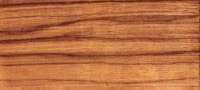
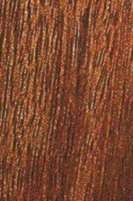
Common Names
Hareri, Musangano, Mutau, Mutoo, Mwal-ambe, Mwanga, Mwangati, Mwangati-punda, Purple pod terminalia, Sterkbos
Regions of Distribution
Africa
Countries of Distribution [VIEW MAP]
Kenya, Mozambique, Namibia, Tanzania, Zambia, Zimbabwe
Common Uses
Agricultural implements, Boat building (general), Flooring: industrial heavy traffic, Handles: general, Heavy construction, Ladders, Light construction, Mine timbers, Piling, Railroad ties, Sporting Goods, Toys, Turnery, Vehicle parts
Heartwood Color
| Brown | ||||||||||||
| Yellow | ||||||||||||
| Orange | ||||||||||||
| Yellow to golden-yellow to orange | ||||||||||||
| Dark brown | ||||||||||||
| Brown |
Sapwood Color
| Brown | ||||||||||||
| Yellow | ||||||||||||
| Paler than heartwood |
Grain
| Wavy | ||||||||||||
| Figure | ||||||||||||
| Closed | ||||||||||||
| Crossed | ||||||||||||
| Spiral | ||||||||||||
| Other (figure) |
| Wavy | ||||||||||||
| Spiral | ||||||||||||
| Other figure |
Texture
| Fine | ||||||||||||
| Medium |
Luster
| Medium | ||||||||||||
| High |
Natural Durability
| Durable | ||||||||||||
| Very durable | ||||||||||||
| Resistant to attack from marine borers | ||||||||||||
| Susceptible to attack from powder post (Lyctid & Bostrychid) beetles |
Odor
| Has an odor |
Silica Content
| High | ||||||||||||
| Siliceous |
Drying Defects
| Checking | ||||||||||||
| Severe surface checking | ||||||||||||
| Severe end splitting |
Ease of Drying
| Thick Stock Requires Care | ||||||||||||
| Moderately Difficult to Difficult | ||||||||||||
| Variable |
Tree Identification
| Bole/stem form is straight |
Tree Size
| Bole length is 10-20 m | ||||||||||||
| Tree height is 30-40 m |
Blunting Effect
| Moderate |
Boring
| Fairly difficult to very difficult |
Carving
| Fairly Difficult to Very Difficult |
Cutting Resistance
| Easy to saw |
Gluing
| Fair to Good Results | ||||||||||||
| Easy to glue |
Mortising
| Fairly Difficult to Very Difficult |
Moulding
| Fairly Difficult to Very Difficult |
Nailing
| Pre-Boring Recommended | ||||||||||||
| Fairly Difficult to Very Difficult | ||||||||||||
| Poor to Very Poor Results | ||||||||||||
| Possible if prebored |
Planing
| Fairly Difficult to Very Difficult | ||||||||||||
| Planes to a poor finish |
Resistance to Impregnation
| Resistant heartwood | ||||||||||||
| Resistant sapwood | ||||||||||||
| Permeable sapwood | ||||||||||||
| Heartwood is extremely resistant |
Response to Hand Tools
| Responds Poorly |
Routing & Recessing
| Fairly Difficult to Very Difficult |
Turning
| Fairly Difficult to Very Difficult |
Steam Bending
| Fair to Good Results |
Polishing
| Fair to Good Results | ||||||||||||
| Good results |
Strength Properties
| Shrinkage, Tangential = fairly large | ||||||||||||
| Shrinkage, Radial = fairly large | ||||||||||||
| Shearing strength (parallel to grain) = high | ||||||||||||
| Modulus of Elasticity (stiffness) = high | ||||||||||||
| Max. crushing strength = high | ||||||||||||
| Density (dry weight) = >75 lbs/cu. ft | ||||||||||||
| Bending strength (MOR) = high | ||||||||||||
| Shrinkage, Tangential = moderate | ||||||||||||
| Shrinkage, Tangential = large | ||||||||||||
| Shrinkage, Radial = moderate | ||||||||||||
| Shrinkage, Radial = large | ||||||||||||
| Density (dry weight) = 67-75 lbs/cu.ft | ||||||||||||
| Density (dry weight) = 61-67 lbs/cu. ft |
Numerical Data
| Item | Green | Dry | English |
| Bending Strength | 13576 | 20956 | psi |
| Density | 65 | lbs/ft3 | |
| Maximum Crushing Strength | 6899 | 9945 | psi |
| Shearing Strength | 2847 | psi | |
| Stiffness | 2167 | 2494 | 1000 psi |
| Weight | 64 | 56 | lbs/ft3 |
| Radial Shrinkage | 5 | % | |
| Tangential Shrinkage | 9 | % | |
| Item | Green | Dry | Metric |
| Bending Strength | 954 | 1473 | kg/cm2 |
| Density | 1041 | kg/m3 | |
| Maximum Crushing Strength | 485 | 699 | kg/cm2 |
| Shearing Strength | 200 | kg/cm2 | |
| Stiffness | 152 | 175 | 1000 kg/cm2 |
| Weight | 1025 | 897 | kg/m3 |
| Radial Shrinkage | 5 | % |
References
Bolza, E., Keating, W.G.,1972,African Timbers – the Properties, Uses and Characteristics of 700 Species,C.S.I.R.O. Div. of Building Research
Dale, I.R., Greenway, P.J.,1961,Kenya Trees and Shrubs,Buchanans Kenya Estates Ltd. Nairobi Hatchards London
Wimbush, S.H.,1950,Catalogue of Kenya Timbers,Govt. Printer Nairobi Kenya